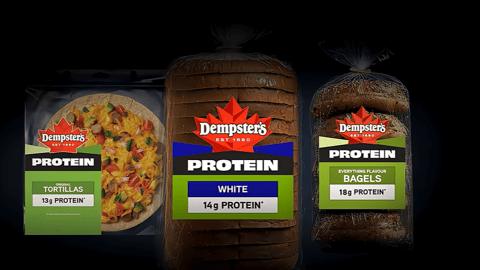
Move over, protein. What’s driving the fibre craze?
For years, protein has dominated the health conversation. Now, fibre is gaining renewed attention—not just for digestive health, but for its broader role in overall wellness.
According to The Hartman Group’s Health and Wellness 2025: The Interplay of Vitality and Longevity study, 69% of U.S. consumers say they are actively trying to add fibre to their diets, making it one of the top nutrients people are prioritizing today.
This dietary movement is showing up on grocery shelves, with high-fibre products appearing across categories, from baked goods to snacks, and fibre claims are becoming more prominent on packaging and in marketing.
From functional to culturally relevant
Fibre’s rise is being fuelled by a mix of health and cultural drivers, explains Shelley Balanko, senior vice-president at The Hartman Group. Part of the appeal is tied to weight management and the growing use of GLP-1 medications.
“Fibre supports satiety longer, and then there’s the fact that it stimulates the body’s own GLP-1s,” Balanko says. Consumers are starting to recognize that fibre activates GLP-1 naturally through diet alone—without a prescription, she says. Fibre also helps mitigate common GLP-1 side effects such as constipation by supporting digestive transit, she adds.
READ: Canadians taking a back-to-basics approach to healthy eating
Gut health is another major driver of dietary fibre intake, particularly among younger consumers. “Everybody is starting to understand that the gut is the root of all wellness,” says Balanko.
At Farm Boy, Trevor Gervais, vice-president, marketing, merchandising and procurement, says fibre resonates most strongly with millennials and boomers, though for different reasons. “For boomers, fibre is often viewed through a functional or preventative health lens, and millennials are more likely to connect fibre to overall wellness,” he says.
Expanding beyond breakfast
Fibre has long been associated with cereal and other morning stalwarts, but now it’s showing up more consistently across dayparts, from spreads and bars to vegetable-based savoury snacks.
“In general, our eating has become a lot less meal-centric,” says Balanko. “Because we are eating fewer meals and more snacks, our snacks are having to do more for us. We’re starting to see snacks take on a stronger role in all the macronutrients.”
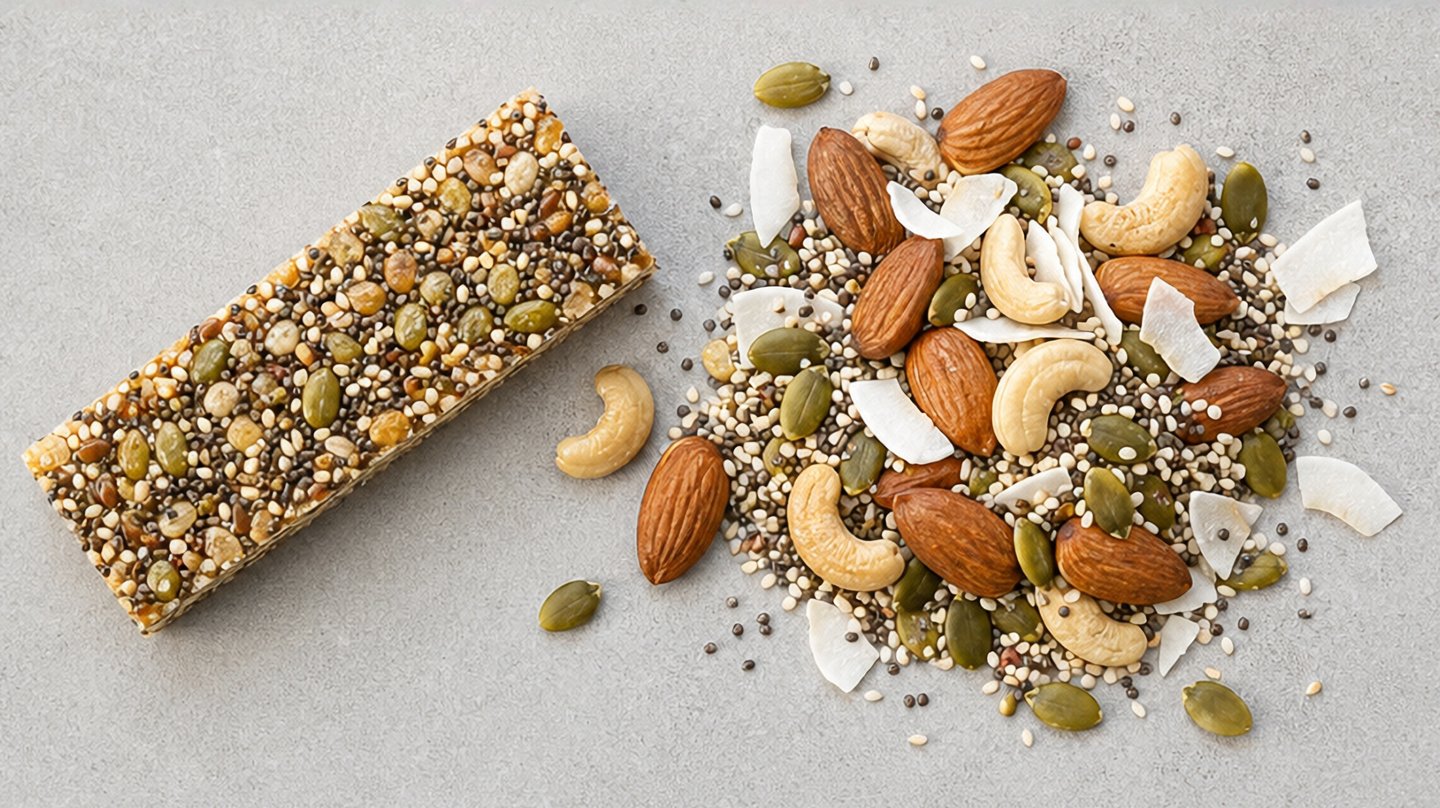
That trend is showing up in product development. At Healthy Crunch, founder Julie Bednarski says fibre is being built into products designed for multiple eating occasions, not just breakfast. The company’s lineup includes granola bars, coconut chips and trail mixes, with high-fibre, low-sugar cookies set to launch this summer.
READ: Is fibre the next must-have nutrient?
In the savoury snack aisle, Bert’s Foods offers another example of how fibre is moving beyond the morning. Its crunchy okra snack line, Oh My Okra, delivers both soluble and insoluble fibre by virtue of the vegetable itself. “When we first launched, it wasn’t a trend,” says founder and CEO David Spadafora. As fibre gains renewed consumer focus, its inherent nutritional benefit is becoming a bigger part of the brand’s messaging. “Because it’s trending, we definitely want to jump on that bandwagon and promote it as much as we can,” he says.
Retailers are seeing the shift play out in store. “We’re starting to see fibre in almost everything,” says Digs Dorfman, CEO of Toronto independent grocer The Sweet Potato. “You’re even seeing some types of fibre used in candies and things like that.”
Higher expectations
Consumers are looking at product claims with a more discernible eye. According to The Hartman Group’s study, 60% of U.S. consumers always read ingredient lists and nutrition facts on new products. Balanko says customers are no longer willing to sacrifice one health benefit to gain another. “Fibre can’t exist alongside a bunch of junky ingredients and still get the credit that consumers are looking for,” says Balanko. “The consumer is a little savvier now. They know they don’t have to make those trade-offs.”
Spadafora agrees that fibre resonates most when it’s part of a product that already feels credible from a health standpoint. “It’s the wholesome factor; the fact that it’s a clean label,” he says of Oh My Okra’s consumer appeal.
What’s next?
Despite the growing interest, fibre is not yet a primary purchase driver at retail. “While demand for high-fibre products is beginning to build, this trend is still very much in its infancy,” says Gervais, adding that a lot of the momentum comes from “industry publications and trade shows.”
Fibre may lag protein in popularity, but its link to health and wellness suggests it has staying power. As Balanko says, “It’s going to be an enduring trend as consumers start recognizing the health benefits that are associated with it.”
This article was first published in Canadian Grocer’s May 2026 issue.