Is fibre the next must-have nutrient?

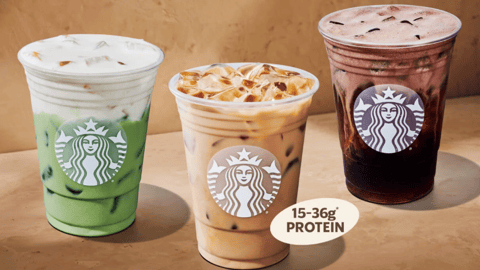
From the snack aisle to the dairy case, high-protein products have taken over the grocery store, as consumers and food brands alike remain #obsessed with this powerhouse macronutrient.
Beyond mainstays like Greek yogurt and protein bars, shoppers can now find high-protein cereal, milk, candy, tortilla chips and more, as brands capitalize on consumers’ quest to build muscle, increase strength and stay full. Social media has only amplified the trend, with health and wellness influencers whipping up high-protein hacks like cottage cheese "ice cream” and "proffee"—a protein shake blended with iced coffee.
READ: How companies are meeting the demand for protein-rich products
It’s no surprise that Nourish Food Marketing’s 2025 Trend Report found that 71% of Canadians want to eat more protein. Mintel’s Global New Products Database (GNPD) shows that the percentage of global food and drink products with a high or added protein claim has doubled in the past 10 years.
However, amid the protein push, a less flashy (but equally essential) macro is emerging as the next nutrient to watch: fibre.
“Fibre is getting more attention because people are starting to understand the benefits like blood sugar regulation, and there’s more research and awareness about the microbiome—the good and bad gut bacteria,” says Hannah Deacon, a registered dietitian based in Edmonton. “Protein is still great, but we need to balance that out, and we’re starting to see a shift. It’s a positive shift, especially since many Canadians are not getting enough fibre.”
Dana McCauley, CEO of the Canadian Food Innovation Network (CFIN) notes that the science on fibre has progressed significantly in recent years. She recently flipped through a book written more than 20 years ago—Fibre Boost by Amy Snider—and was struck by how much more we know today.
“The book has a lot of information about soluble and insoluble fibre, but it didn’t go into depth about the role of fibre in the gut microbiome—that’s not something anybody was talking about,” she says. “And we certainly didn’t understand prebiotics and their relationship to probiotics at the time. We knew that Canadians were vastly under-consuming fibre for optimal health to cope with inflammation and digestion. But now, that microbiome link is definitely what’s making fibre really interesting.”
A recent article by Stephanie Mattucci, food and drink director at Mintel, highlights the extent that fibre is overlooked. Mintel’s GNPD reveals that food and drink products with high or added fibre claims have remained relatively flat over the past decade. Mattucci notes most people consume far less than the recommended 25 to 30 grams of dietary fibre per day, “creating a genuine nutritional gap that needs addressing.” As food and beverage brands look to fill that gap, she states, “Expect to see fibre follow protein’s path as the next ‘must-have’ nutrient in better-for-you products.”
However, fibre presents a few hurdles for food and beverage brands. Mattucci notes that while fibre is linked to digestive health and satiety, these benefits are less immediate or visible than those of protein. There’s also the lingering perception that fibre-rich foods are bland or unappetizing, along with a significant consumer knowledge gap about the different types of fibre and their health benefits. And there can be too much of a good thing: increasing fibre intake too quickly can lead to negative side effects like bloating and gas.
Still, fibre’s image and consumer awareness are starting to shift. For example, the TikTok trend “fibremaxxing” encourages people to boost their fibre intake, with creators sharing recipes and fibre-forward hacks. At the same time, food and beverage brands around the world are exploring ways to incorporate more fibre into their products. In the United Kingdom, Danone recently expanded its Activia Fibre range—first launched in 2023—with the new Activia Fibre Berries and Cereal. In the United States, a brand called Floura makes a range of FiberCrush bars packed with 13 grams of fibre from 12 whole plants. And here in Canada, Crazy D’s sparkling sodas are high in prebiotic fibre.
To hit mainstream success, Mintel recommends that brands promote benefits related to gut health, health aging and blood sugar management. Categories like breakfast and snacks are good starting points for more fibre, but brands must address consumers’ taste concerns.
Another play is to satisfy the needs of consumers looking for the right balance, rather than emphasizing one macronutrient over the other. “It’s great to have options that incorporate protein and fibre, and to highlight that each play an important role,” says Deacon. “There isn’t a ton of marketing on fibre—protein is definitely more popular—so having clear, simple messaging is effective.”
For grocery retailers, McCauley suggests incorporating a protein-fibre focus into their recipe programs. “One example might be lasagna made with lean ground beef and whole wheat noodles,” she says. “And there could be an interesting way to cross-promote and merchandise it in their stores, along with an educational component.”
At Toronto grocery store The Sweet Potato, demand for protein-forward foods is still going strong. “As an example, bean pastas, such as those made from chickpeas or lentils, which are significantly higher in protein than more traditional wheat or rice-based pastas, have been selling better than ever,” says CEO and founder Digs Dorfman.
But even if fibre hits protein levels of popularity, The Sweet Potato will stay focused on holistic health. “From our perspective, eating a diet that’s high in whole foods remains the most important priority, as opposed to products which have added protein or fibre,” he adds. “As such, we prefer to focus on the promotion of healthy, locally grown fruits and vegetables, as well as locally raised meats and dairy producers, instead of pushing customers towards more processed foods.”