Next-gen grocery store design: Balancing automation with the human touch
Contemplating the vision of a next-generation grocery store, Jeffery Nader sees an emerging tension between automation and humanity.
“While dynamic pricing, AI-driven fulfillment and algorithmic merchandising offer efficiency, they can also erode customer trust if not implemented thoughtfully,” says Nader, studio director for Tampa, Fla.-based design house API+. “The next generation of grocery stores must balance intelligence with empathy. Technology should enhance clarity, fairness and freshness, not create confusion or perceived inequity.”
Ultimately, he asserts, “the future grocery store will be less about square footage and more about relevance, responsiveness and reliability in an increasingly personalized food economy.”
READ: How innovative store design is reshaping the shopping experience
Designers, suppliers and observers of new supermarket projects generally agree that engaging with and fulfilling consumers’ needs must drive the evolution of new store concepts, with technology facilitating, not replacing, the human touch.
“The future is not fully automated or fully staffed – it is flexible and accommodating,” asserts Kevin Kelley, co-founder of Charlotte, N.C.-based strategic design firm Shook Kelley. “Customers want choice, comfort, dignity and control over how they transact. ... The best stores do not simply offer products. They expand possibility.”
The Human Connection
“When it comes to next-gen stores, there’s a natural tendency to focus on futuristic technology,” says Steven Le, senior grocery and retail lead for Bentonville, Ark.-based HFA Architecture + Engineering. “But what we’re also seeing is a strong emphasis on maintaining that human connection — tapping into people’s nostalgia and fond memories for the brands they’ve known their whole lives.”
Le points to Walmart, an HFA client for three decades, as an example of combining advanced technology and human connection in a balanced way, noting its pharmacy remodels that include privacy rooms for nursing moms, upgraded lighting and flooring, and brand-driven aesthetic improvements.
HFA VP James Owens says the closure of Amazon Fresh and Amazon Go stores exemplifies the risk of minimizing or severing the human connection. “You want your architecture and design to support human interaction,” Owens cautions. “Make sure the layout doesn’t put unnecessary visual barriers between associates and customers.” For instance, adding a display window to a bakery wall allows customers to observe product being created.
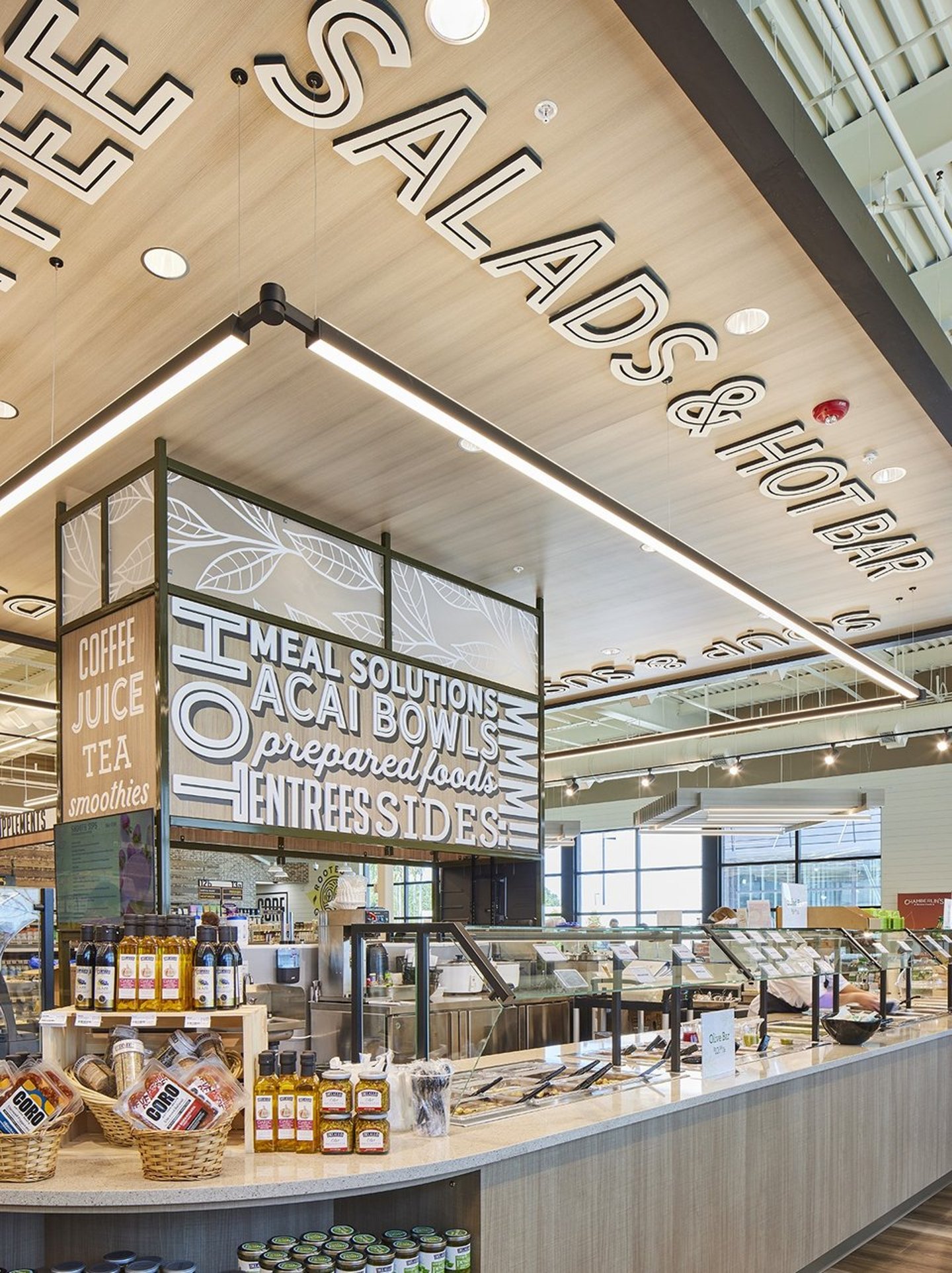
“Stores are becoming more experience-driven, with greater emphasis on fresh and prepared foods, intuitive layouts, and clear customer flow,” says Seth Maddox, creative director for Eugene, Ore.-based interior design firm King Retail Solutions. “Just as important, retailers are designing for flexibility, creating environments that can evolve as customer needs and shopping behaviors change.”
Customers want efficiency without sacrificing quality, Maddox asserts. “Convenience is expected, but customer experience will drive loyalty,” he says. “Retailers are responding with stronger prepared foods, seamless navigation and, in some cases, branded foodservice concepts that create destination appeal and increase visit frequency.”
According to Maddox, King’s clients are focused on long-term relevance. “They want scalable store models that reflect their brand and support operational efficiency,” he says.
Size Matters
Carol Bartolo, principal at Atlanta-based BRR Architecture, sees a shift toward smaller, more efficient formats that meet consumers where they are, especially in urban markets where convenience and accessibility matter most.
“These stores are designed to be compact without feeling limited, offering full-service essentials like fresh produce and grab-and-go meals through smarter layouts and strategic merchandising,” Bartolo says.
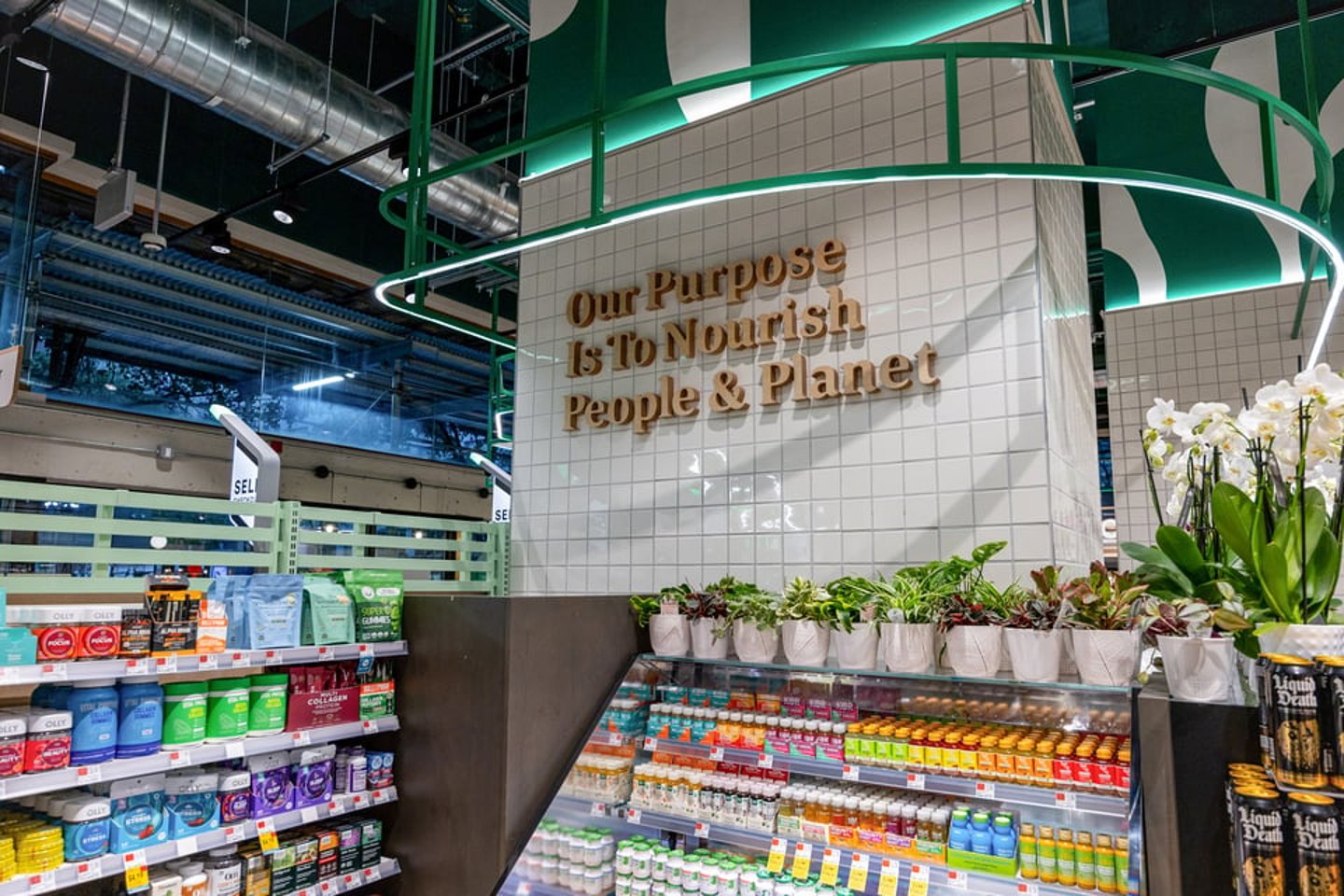
Sustainability is also playing a much bigger role, she notes, from the use of energy-efficient refrigerant systems and durable materials to in-store displays that highlight local growers and responsible sourcing.
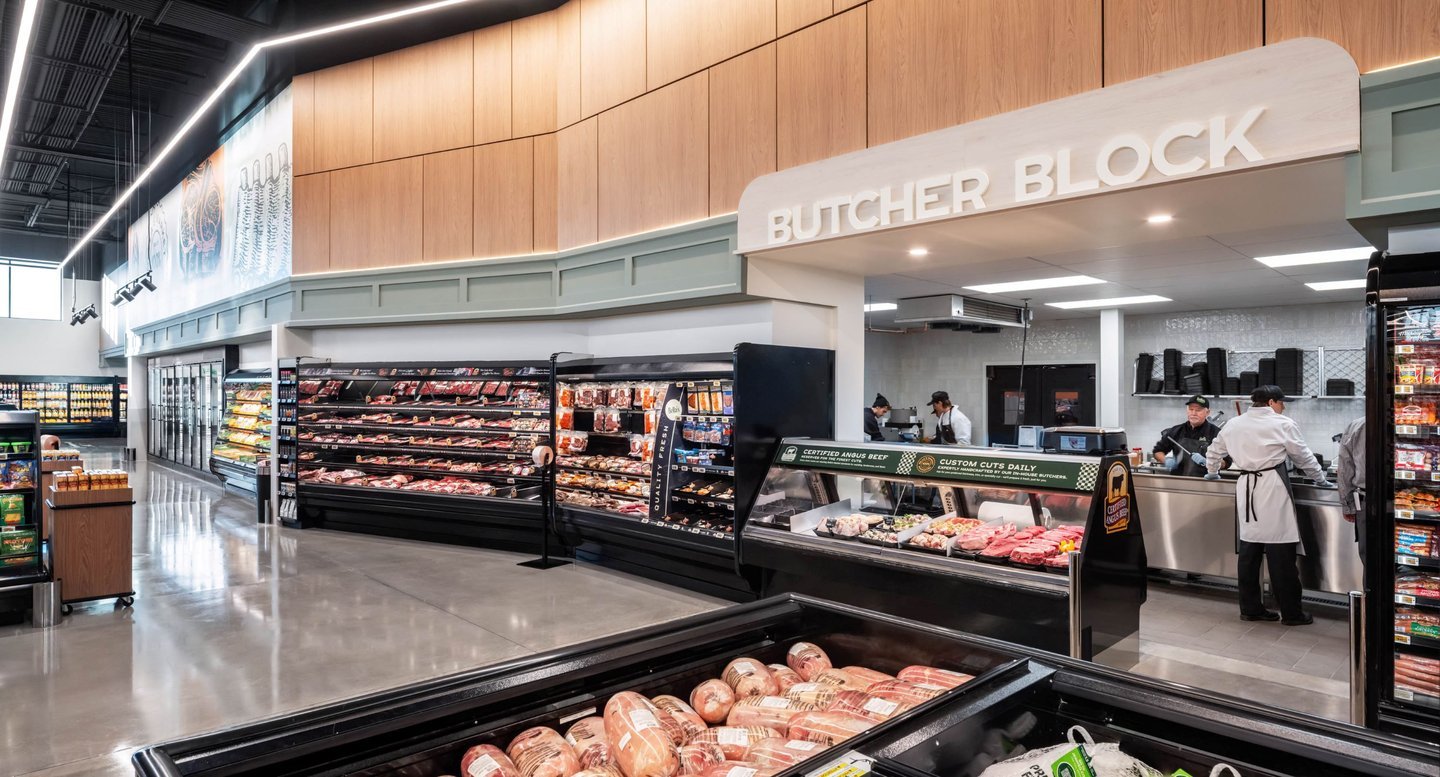
“Future supermarkets must make it easy for shoppers to navigate the store quickly without sacrificing the experience,” Bartolo observes. This means clear sightlines and bold signage, especially in high-traffic areas like produce, which continues to be a major driver of customer visits. “Grocery stores are still theatres for fresh food, and that sense of discovery can’t be lost, even in smaller formats,” she adds.
READ: Spontaneous, practical or passionate, emotions guide consumers' grocery purchases
BRR’s clients are increasingly focused on creating stores that feel connected to their communities, according to Bartolo. “We’re also seeing continued demand for grab-and-go offerings, prepared food areas and flexible spaces that support community interaction,” she says.
Likewise, Long Beach, Calif.-based design firm RDC is developing smaller-format stores for clients looking to reduce their footprint and become more efficient operationally.
“We have assessed how to fit an acceptable number of products or lineal footage of merchandise into the reduced footprint for the store to remain successful,” says Sean Unsell, RDC’s senior studio director and associate principal. “This may result in tighter aisles or smaller back-of-house areas to trade off for foodservice offerings. We also activate the space immediately surrounding the market to expand the indoor/outdoor connectivity, which enhances the overall experience for dining and socializing.”
On the other hand, HFA’s Owens observes many retailers going bigger. “They’re expanding higher-margin offerings like restaurants and existing departments, or even adding fuelling stations, car washes or automotive care centers,” he says. “It’s about using design to support alternative ways to generate income, which is another route to keeping prices affordable.”
HFA’s Le points to operators such as Asian supermarket chain H Mart and Filipino-American grocer Seafood City, whose stores are expanding to create bigger food courts. “These are prime examples of how to drive revenue while building community connections that keep customers coming back,” he says. “Next-generation supermarkets can literally connect with the next generation if you use design to celebrate food as a central part of that feeling and experience.”
Relevant and Resilient
API+’s Nader says the most successful supermarkets will excel in three areas: relevance, resilience and relationship-building. “The physical store is becoming less about ‘inventory display’ and more about ‘guided experience.’” he says. “We’re seeing next-generation grocery stores evolve into highly adaptive, data-informed environments that balance personalization, efficiency and experiential value.”
Adaptability is key, King Retail’s Maddox emphasizes: “Stores need to operate efficiently while giving customers a clear reason to visit. A strong identity, a focus on fresh, and an environment designed for both performance and experience will be critical.”
BRR’s Bartolo agrees: “Store design plays a critical role in supporting that evolution, especially as convenience, efficiency and personalization become increasingly important to shoppers. When store format and experience align with how customers want to shop, it helps strengthen foot traffic, drive sales and build loyalty. Thoughtful, adaptable design allows retailers to meet changing needs while remaining competitive in a shifting marketplace.”