'Not a serious solution:' Experts say government-run grocery stores won't fix food affordability
Toronto city council has approved a pilot for city-run grocery stores, while NDP leadership candidate Avi Lewis has campaigned for a national public grocer. In New York City, Mayor Zohran Mamdani recently announced plans to open five city-run, government-backed grocery stores.
But industry association leaders, a leading food and supply chain expert and an independent grocer tell Canadian Grocer the idea is misguided, arguing it oversimplifies a complex affordability issue and risks turning the debate into a blame game.
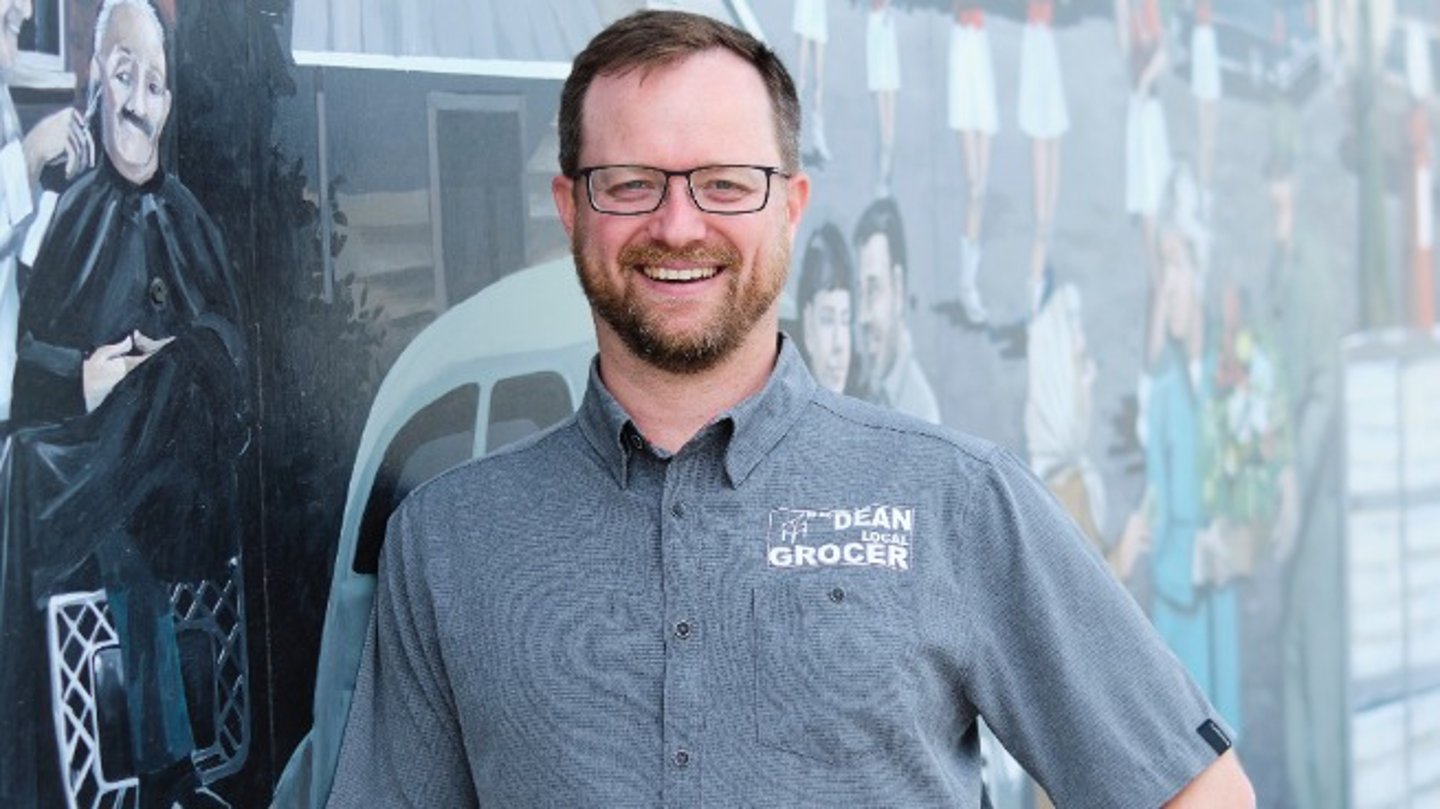
“Respectfully, government operating grocery stores feels more like a gimmick than something that will work on the ground,” says Gordon Dean, owner of Mike Dean Local Grocer, which operates five stores across rural Eastern Ontario and western Quebec. “The sheer cost of opening grocery stores today is enormous, and most of us rely on one, two or more generations of experience and industry connections. That’s the only way to stay alive.”
As a small town grocer, Dean says he makes 1% to 1.5% profit at year-end.
“That’s an incredibly thin margin,” he says. “And half of that is reinvested back into the business, because if I don’t, within a decade we’re looking at outdated buildings and equipment. We also invest back into our rural communities so they feel taken care of,” adds Dean.

Gary Sands, senior vice-president of policy and advocacy at the Canadian Federation of Independent Grocers, is similarly critical.
“A government grocery store doesn’t solve the problem of affordability,” says Sands. “It’s like seeing the tip of an iceberg and not understanding what’s below the water.”
He notes the food system depends on complex supply chains and infrastructure, emphasizing that retailers are not producers, processors or distributors. “It’s frustrating that there is still such a superficial view of the industry,” he says.
Sands also cautions against blaming suppliers, pointing instead to broader pressures such as geopolitical instability, climate impacts, shipping disruptions and fuel costs. “Whether it’s a government store or not, those factors are outside of our control, and aren’t going to disappear,” he emphasizes.
Kim Furlong, CEO of the Retail Council of Canada, also cautions against government entering the grocery sector.
“To think government can do this better is not a serious solution,” she says. “It doesn’t address the core drivers of affordability.” She also questions the long-term viability of such stores and who would ultimately have access to them.
Looking globally at government-run grocery models, she says her research has turned up little beyond grocery co-operatives, which are member-owned and sometimes receive public funding.
She cites a co-op grocery store she knew from growing up in the Gaspé Peninsula: “It’s no longer there, so I don’t know why its popularity declined, but co-ops are still limited in scope,” says Furlong.
Given the lack of knowledge about what drives cost increases, the RCC plans to “talk more about the grocery retail industry” and give media and policymakers “a little more perspective on the complexity of it.”
The RCC will also become “very, very active and aggressive” on regulatory issues, arguing that overlapping rules add cost pressures that contribute to rising prices. Furlong points to recycling requirements, including Ontario’s blue box program which she says have increased costs for retailers by more than 400% since 2021.
Sylvain Charlebois, a professor at Dalhousie University and senior director of its Agri-Food Analytics Lab, says some critics are looking for an easy target.
“This movement seems motivated by a desire to counter grocers that are seen as abusive towards consumers, which obviously is not the case. There is just no evidence of that,” he says of price gouging claims. “We’re in an environment where people aren’t very well informed about what’s going on with food prices, and they’re quick to point fingers at what they see—and that would be the grocery store.”
READ: Government-run grocery stores are likely to fail. There's a better alternative
Political responses are being shaped by the extent to which Canadians are feeling the impact of food inflation.
According to Dalhousie’s Agri-Food Analytics Lab’s Spring 2026 Canadian Food Sentiment Index, supported by Caddle Insights, more than 81% of Canadians say food is the expense that has increased the most over the past year.
Public frustration over prices may help explain the growing attention to government-run grocery proposals Still, the idea is not gaining the same traction in some other Canadian cities.
Ottawa passed a motion from Alta Vista Coun. Marty Carr on April 22 to study a municipal food strategy, but only after removing references to city-owned grocery stores.
“I don’t think the public sector needs to get involved,” Ottawa Mayor Mark Sutcliffe told CTV News. “There are many, many other ways that we can help the most affected residents without going into the business of running grocery stores.”