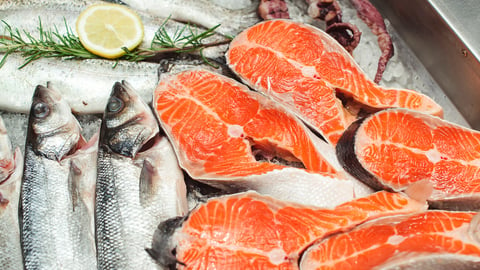
Revitalizing the seafood department
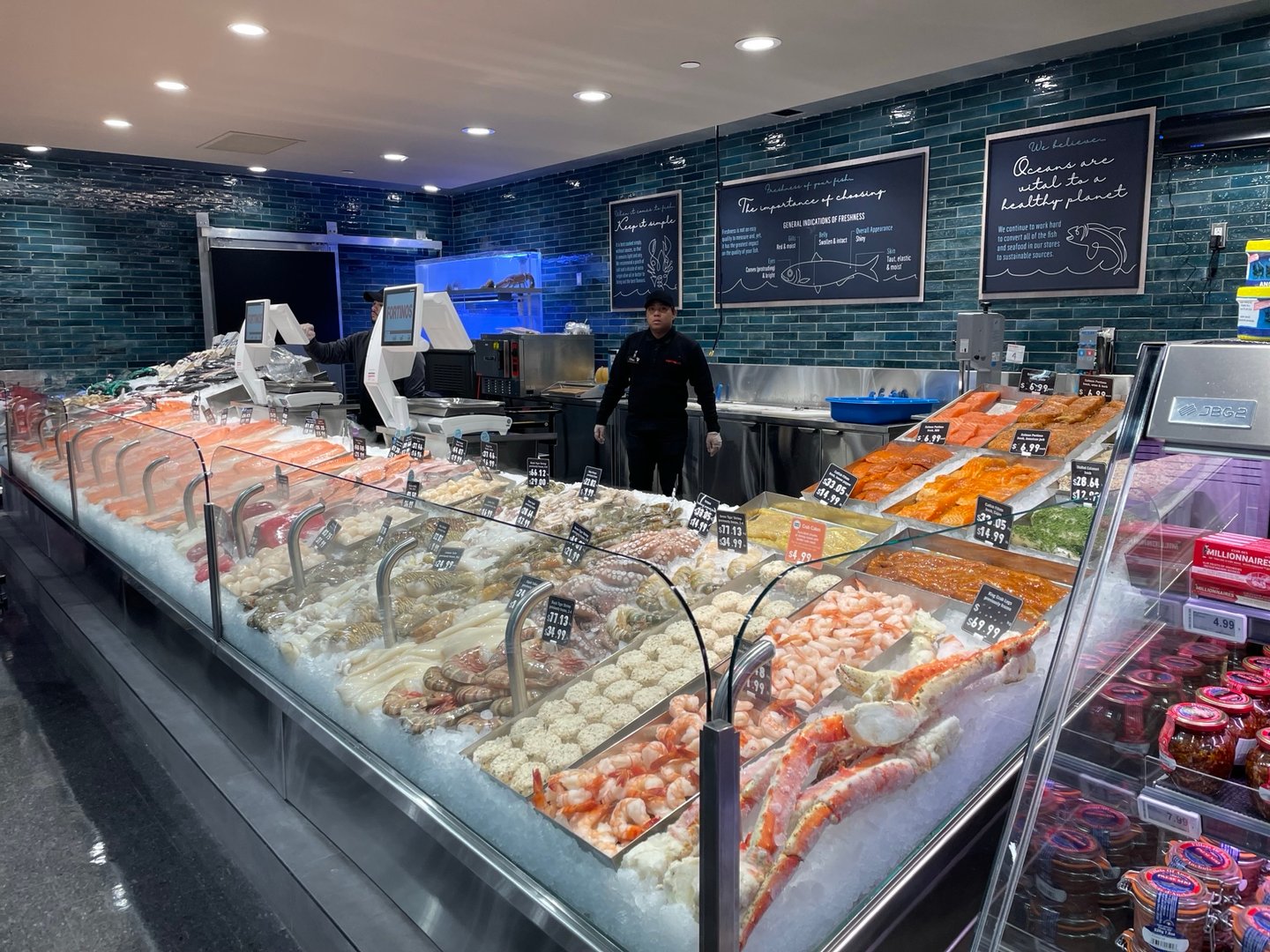
With meat and poultry being proteins of choice, shoppers often bypass the seafood department. A new report, The Power of Seafood 2026, from The Food Industry Association (FMI) found that just 10% of U.S. shoppers account for 40% of all seafood purchases. The finding highlights an opportunity for retailers to better engage frequent seafood shoppers, while also enticing new customers to the category.
“While those frequent buyers are incredibly valuable, growth will not come from them alone,” says Rick Stein, vice-president of fresh foods at FMI. “The bigger opportunity is with the occasional seafood shopper, who already buys the category but not consistently. Converting non-seafood shoppers is far more difficult, so retailers will see more impact by helping occasional buyers feel confident purchasing seafood more often.”
The comprehensive report, which includes FMI consumer survey insights and data from Circana, notes that while seafood sales declined over the past few years, 2025 saw some improvements, with US$24.2 billion in sales and 0.7% revenue growth.
The biggest hurdle limiting growth is price perception about seafood, says Stein. “Even though seafood hasn’t been as impacted by inflation as some other proteins, many shoppers still see it as expensive or indulgent,” he says. “That perception alone is enough to suppress unit movement, particularly among occasional and non‑seafood consumers. In 2025, shrimp and salmon largely carried the category’s performance, while many other seafood items were perceived by shoppers as simply too pricey to purchase regularly.”
Beyond price, low consumer confidence in cooking and preparing seafood is a barrier. “A sizable share of shoppers worry about freshness, food waste and lack of knowledge of how to select or prepare seafood correctly,” says Stein. “Those concerns are far more pronounced among non‑seafood and occasional buyers, and they tend to keep shoppers anchored to familiar proteins.”
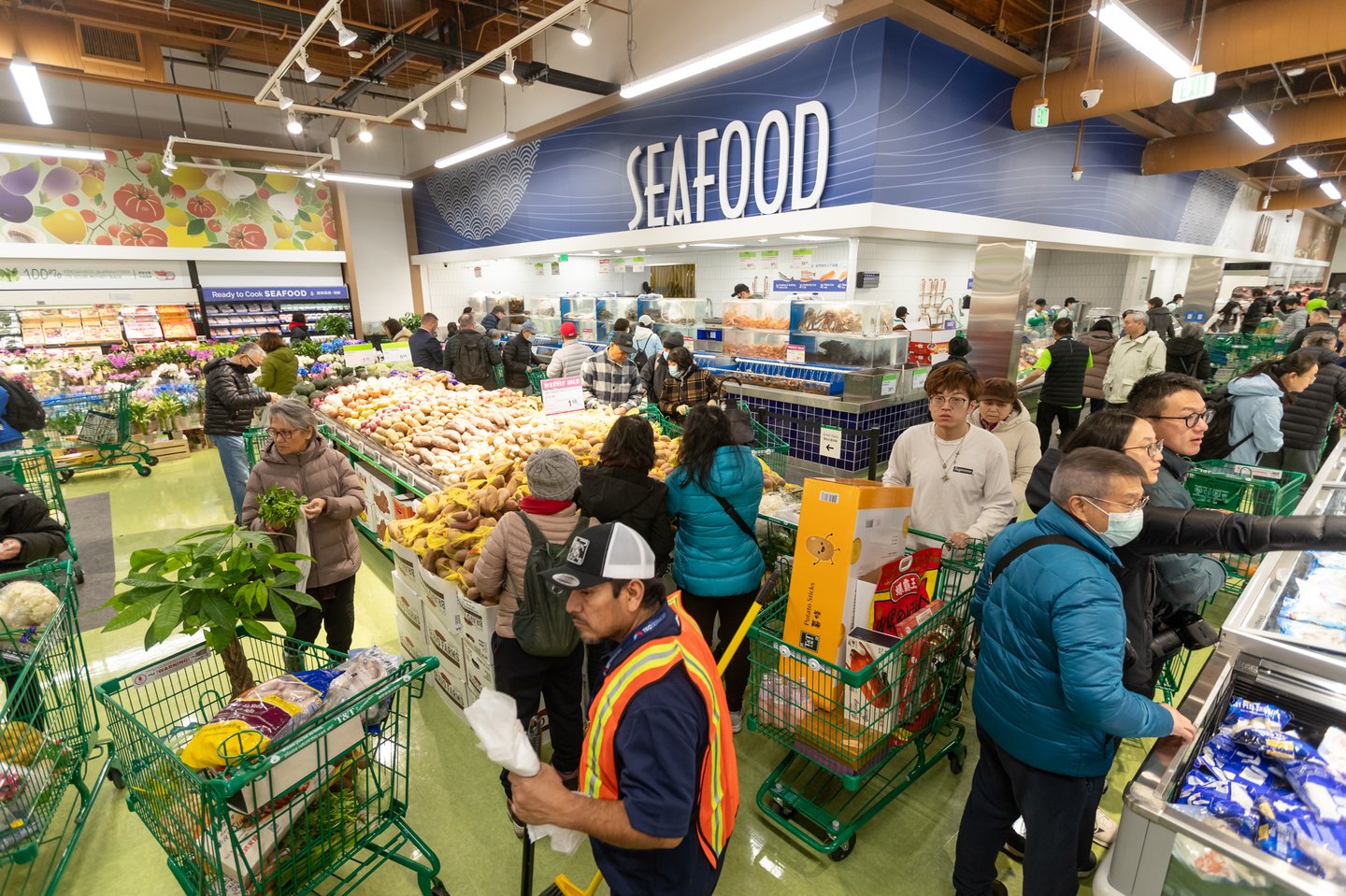
Practical ways to boost seafood sales
By addressing these challenges, grocers can make seafood more approachable and encourage more frequent purchases in the department.
For occasional buyers, Stein suggests grocers focus on value and usability—“providing simple meal ideas, clear cooking guidance and portion options that show seafood can fit into a weeknight dinner without stretching the budget.”
That type of support also resonates with frequent seafood buyers. “Recipes, meal solutions and in-store inspiration can help them expand beyond their usual choices and keep seafood in regular rotation,” says Stein.
For Stein, one of most encouraging findings in this year’s report is that shoppers are open to learning more about seafood. “Even consumers who are comfortable cooking seafood say they would like new ideas, especially for familiar species like salmon, shrimp and white fish,” he says. “In fact, 30% of shoppers surveyed said seafood would be their preferred protein if money were not a concern, which reinforces that interest in the category is strong even if price perception sometimes gets in the way.”
Store employees also play a significant role in boosting seafood sales. The report found that more than three-quarters of shoppers (77%) say it is important that the store where they shop for seafood has seafood counter staff, with frequent seafood shoppers (84%) more likely to feel this way. Stein explains that knowledgeable, available staff build trust and reduce anxiety around seafood preparation. “Simple services like cleaning, filleting and cooking guidance can transform occasional shoppers into loyal seafood buyers,” he says.
Another tip for retailers is to have instructions, freshness tips and origin details right on the package or at the case. “QR codes that link directly to preparation methods, recipe ideas or quick cooking demonstrations can help shoppers feel more confident trying seafood at home,” Stein says.
Retailers can also lean into existing digital tools. “Grocery apps are a natural place to feature cooking methods, highlight seafood recipes and showcase meal ideas that embrace a variety of cultural cuisines,” he says. “These platforms allow retailers to meet shoppers where they are while making seafood feel more approachable, versatile and achievable for everyday meals.”
When it comes to younger shoppers, affordability is the biggest barrier to seafood purchases, followed closely by competition from other proteins. However, generation z has shown interest in seafood, especially sushi.
“One of the clearest opportunities is translating the convenience they love about sushi into the broader seafood case,” says Stein. “Gen Z wants fully prepared, partially prepared and recipe-ready seafood options that remove guesswork and save time. Items that are pre-seasoned, pre-marinated or bundled with simple cooking instructions can make seafood feel just as accessible as a grab-and-go sushi roll.”