
The Super Bowl of snacking is, well, the Super Bowl
It’s Super Bowl weekend—one of the biggest days of the year for food, snacks, and shared consumption rituals. And despite today’s anti-American rhetoric, make no mistake: Canadians will be watching, eating, and spending.
While the Super Bowl remains an American sporting event, it has quietly evolved into one of Canada’s most significant “night-in” food occasions. North of the border, the game functions less as a football spectacle and more as a social and culinary event.
According to Vividata, an estimated 8.4 million Canadians are expected to tune in to this year’s matchup between Seattle and New England, making it one of the country’s largest at-home viewing moments of the year. Crucially, Super Bowl audiences extend well beyond core football fans, drawing Canadians who engage primarily for the social experience—and the food.
That shared experience shows up clearly on plates and in grocery carts. Chicken wings remain the undisputed icon of Super Bowl Sunday in Canada. In previous industry forecasts, Canadians were expected to consume as many as 82 million wings on game day alone, highlighting the sheer scale of demand for a single product. Despite that chicken wings are about 7% more expensive than last, they will remain popular. Supply-managed chicken producers, understandably, welcome the annual spike.
READ: Snacks take a bite out of meal time as consumers pivot to smaller portions
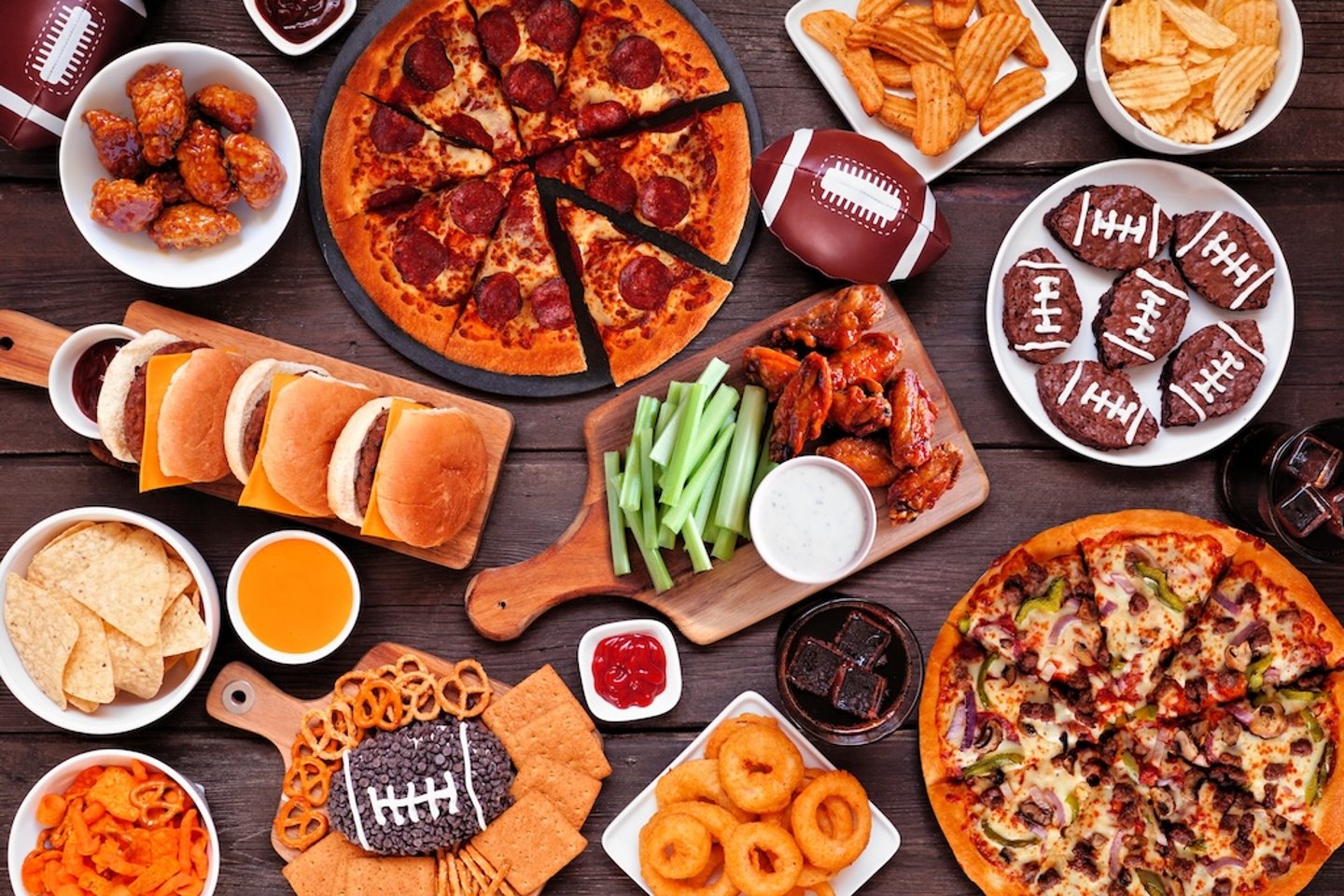
Beyond wings, the Super Bowl reinforces a predictable but economically meaningful snack hierarchy. Salty, shareable staples—tortilla chips, cheese snacks, popcorn, and party mixes—dominate Canadian spreads. Super Bowl viewers are at least 10 per cent more likely than the average Canadian to consume these items on game day, according to Vividata. Chips, in particular, benefit from complementary demand, pairing seamlessly with dips and salsas. Grocery data across North America consistently shows pronounced pre-game surges in tortilla chips, dips, and sauces. Buffalo-flavoured products and spicy profiles remain central as well, reflecting a broader consumer preference for bold, indulgent flavours during communal eating occasions.
Other perennial favourites—pizza, chili, ribs, pigs in a blanket, and guacamole—continue to anchor Super Bowl menus, underscoring Canadians’ preference for easy-to-share, low-friction foods that travel well from kitchen to couch.
READ: Nostalgia and novelty fuelling changes in Canadian consumer tastes
For 2026, however, there are a few notable twists. Canadian restaurants are leaning into premium, take-and-share comfort foods ahead of the game, with items such as barbecue ribs, brisket chili, and spicy honey fried chicken appearing on special menus. The trend reflects a willingness to trade up for indulgence on specific occasions, even as consumers remain cost-conscious overall. At the same time, social-media-driven creations—pull-apart breads, loaded snack boards, and football-themed platters—are gaining traction, suggesting that hosts increasingly value visual appeal and novelty alongside taste.
Cost pressures are also shaping behaviour. Potlucks have become increasingly fashionable, not just for their conviviality but for their economics. With food prices still elevated, guests are more willing to contribute trays of snacks, spreading the financial burden of hosting. The result is a more collaborative—and resilient—model of social eating.
Ordering behaviour shifts as well. More than half of Canadian Super Bowl viewers (52.9 per cent) plan to use food-delivery services on game day, well above typical weekend levels. Beer remains a natural companion for many households, with nearly two-thirds (66.2 per cent) of viewers of legal drinking age reporting beer consumption within the past six months, including strong representation from local craft brands.
Taken together, the data make one thing clear: the Super Bowl’s gravitational pull on Canadian food consumption is real. Canadians may not all follow the sport closely, but they reliably adjust their eating, buying, and ordering habits around it. For grocers, restaurants, delivery platforms, and food manufacturers alike, Super Bowl Sunday has become a meaningful seasonal demand shock—one driven less by touchdowns than by tortilla chips, chicken wings, and the enduring economics of eating together.