

Alberta chose Canada. Now Canada needs to choose Alberta, for real

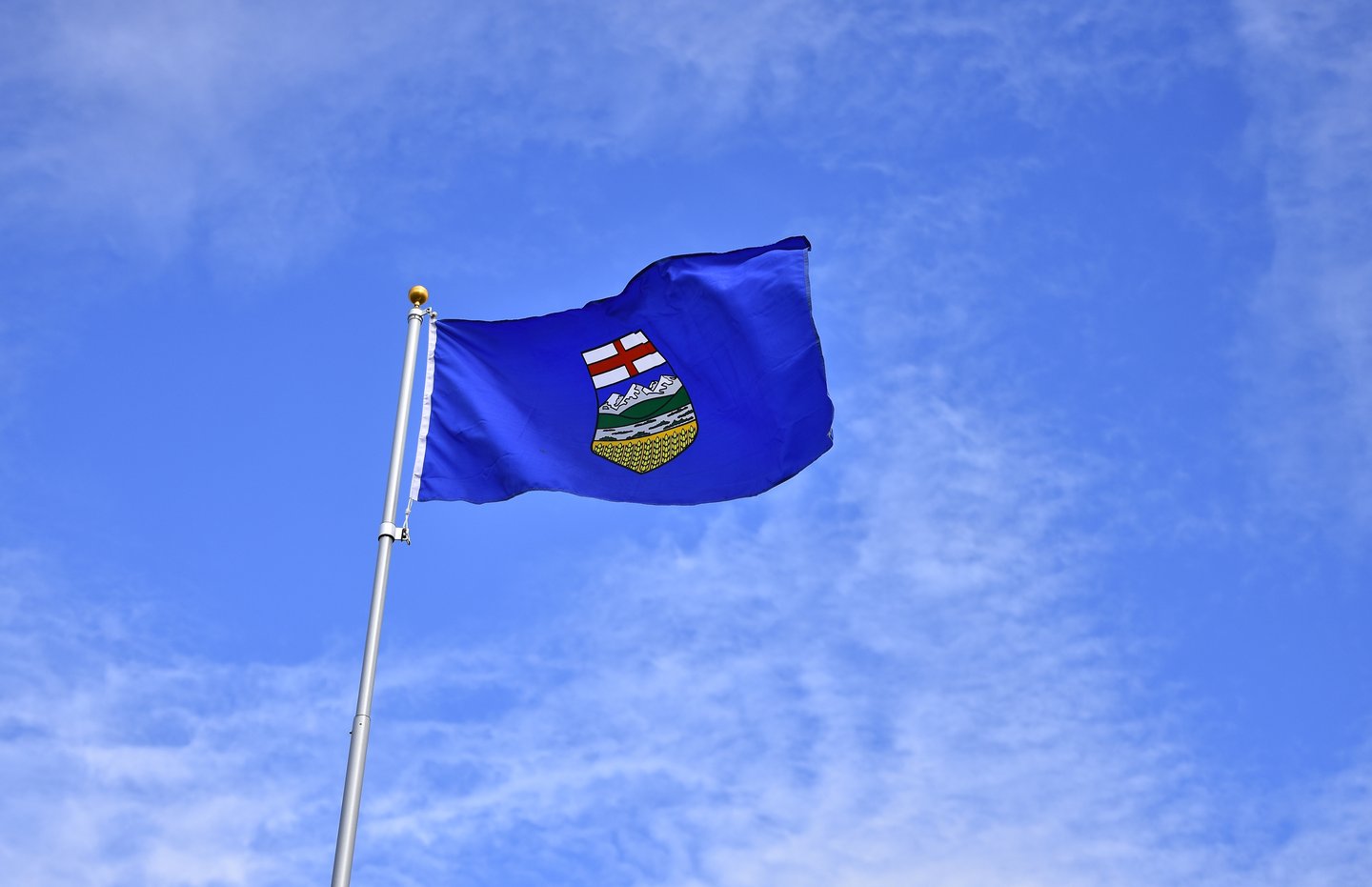
Albertans have overwhelmingly rejected moving toward a binding referendum on separation. That is good news for Alberta and for the rest of the country. Alberta benefits from belonging to an integrated Canadian food economy, and Canada benefits enormously from Alberta’s agricultural capacity. Separation would have put those shared advantages on the negotiating table.
But relief should not become complacency. A vote to remain in Canada does not erase the frustrations that brought Alberta to this point.
Alberta is an agri-food powerhouse. In 2025, its international agri-food exports reached $17.1 billion, representing 18.4 per cent of Canada’s total. Nearly one in every five dollars of Canadian agri-food exports comes from Alberta. The province also held 43.6 per cent of the national cattle herd at the beginning of 2026. These numbers should remind Canadians that Alberta’s contribution extends well beyond oil and gas.
READ: Agri-food’s next opportunities
The relationship is one of mutual interdependence. Alberta’s farmers and processors benefit from Canadian transportation networks, customers, institutions and trade relationships. In return, Canada’s food economy relies heavily on Alberta’s production, processing capacity and export volume.
Those advantages have been built over generations. Unravelling them would create uncertainty at a time when farmers, processors and investors already have plenty to manage.
The economic consequences of a separation debate begin well before any constitutional change. A processor considering a new facility must assess future access to livestock, crops, workers, customers and export markets. When those conditions become uncertain, delaying an investment becomes easier to justify. Capital can move long before borders do.
Quebec offers a cautionary lesson. Its economic evolution cannot be reduced to the sovereignty movement alone, but prolonged constitutional uncertainty became another consideration for businesses deciding where to invest. Alberta would have little to gain from adding that same question to every major investment decision.
Canada’s food economy operates across provincial boundaries every day. Cattle, grain, ingredients and finished products move through interconnected supply chains. Creating an international border would raise questions about customs procedures, inspection systems, regulatory recognition and market access.
Alberta could negotiate arrangements to address those issues. The problem is the time, expense and uncertainty involved. Farmers need buyers, processors need dependable supplies, and exporters need predictable access to markets. None benefits from spending years waiting for governments to define the rules.
Geography would remain a constraint. Alberta is landlocked, and its agricultural exports depend on reliable access to ports and transportation infrastructure beyond its borders. Canadian trade corridors, in turn, benefit from the enormous volume Alberta generates. That relationship gives both sides a strong economic reason to keep improving the system.
Still, dismissing the separatist movement would be a mistake. The result should become an opportunity to strengthen Canada’s economic bargain.
That means removing unnecessary internal trade barriers, improving rail and port capacity, encouraging food processing investment and addressing policies that weaken confidence in Confederation. A farmer or entrepreneur should be able to see how belonging to Canada makes it easier to produce, invest and sell.
Canada remains a work in progress, particularly when it comes to moving goods efficiently across its own territory. We cannot celebrate Alberta’s contribution while taking its continued confidence in the federation for granted.
Nor should anyone assume that independence would automatically deliver greater commercial freedom. Currency arrangements, tariffs, treaty obligations and access to existing trade agreements would require resolution. Alberta already participates in international markets through Canada’s trade relationships. Separation would introduce negotiations into arrangements businesses currently use.
The strongest case for staying is therefore practical: make Canada a better place for Alberta’s farmers, processors and entrepreneurs to grow.
There is also something constructive Alberta can take from this debate. Albertans have had an opportunity to reflect on what makes their province distinctive, what they produce and what they want to build. That collective pride has economic value.
Quebec has spent decades cultivating a strong attachment to its food products. Producers, processors, retailers and restaurants have helped turn provincial identity into consumer recognition and loyalty. Alberta can strengthen that connection around its own agricultural strengths, without making supply management the foundation of its strategy.
That pride can support more processing, stronger regional brands, agri-food tourism and greater recognition of Alberta products across Canada and abroad. It can give consumers another reason to seek out what the province produces and investors another reason to build there.
Provincial pride and Canadian identity can coexist comfortably. Albertans can be fiercely proud of their province while recognizing the advantages of belonging to a larger country.
The vote gives Canada an opportunity to turn that shared interest into economic progress. Albertans have chosen to stay. The rest of the country should respond by helping build a federation in which that choice continues to make sense.