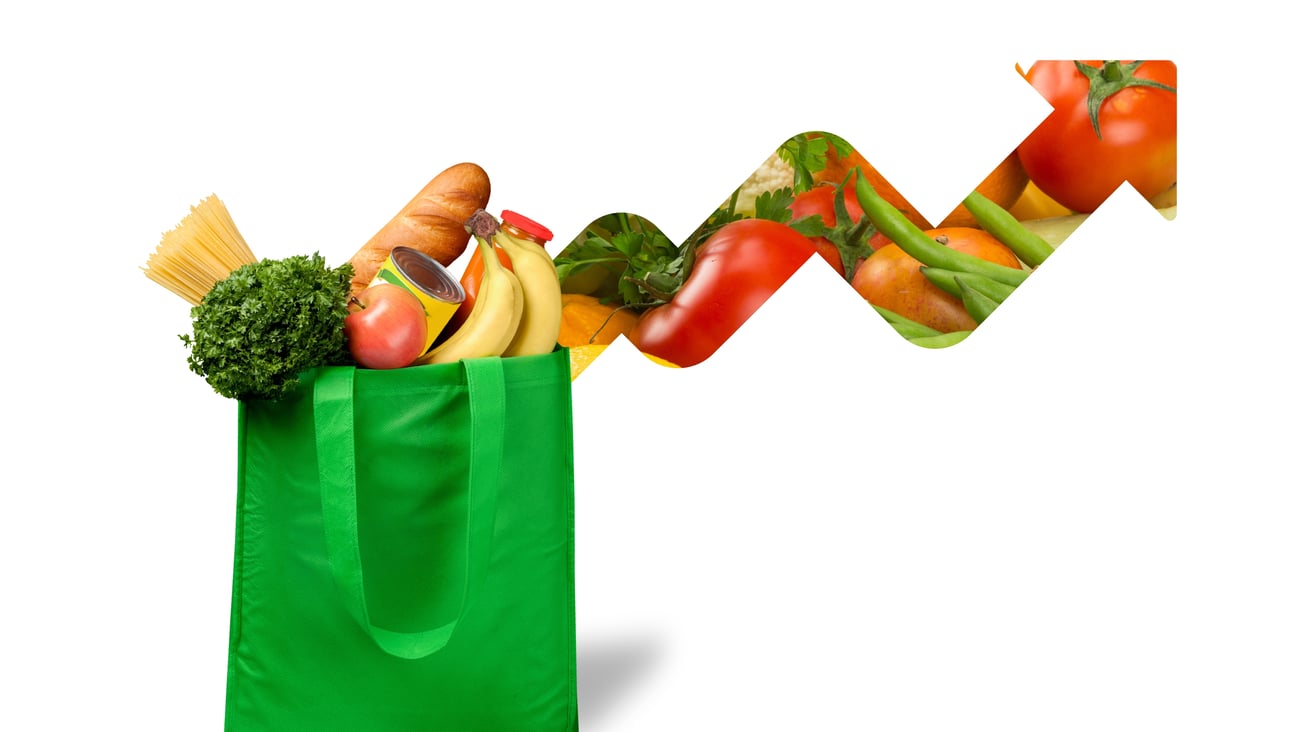

Canada didn’t regulate grocers—it lost faith in them

The Grocers’ Code of Conduct will come into force on January 1, 2026. Within the agri-food industry, expectations are high. Among consumers, they are more restrained—and rightly so.
For food processors, the adoption of this code marks a pivotal moment. For years, they have warned of a growing imbalance in their commercial relationships with large grocery chains, whose market power has consolidated to the point of weakening the processing sector and limiting the ability of independent grocers to differentiate themselves. A weakened food processing sector means less innovation, fewer choices, and ultimately, less competition for consumers.
It is worth recalling a fundamental reality of the Canadian model: in agri-food, suppliers pay for access to shelf space. This dynamic gives major grocery chains considerable leverage, often exercised through the imposition of new, unpredictable, or retroactive fees. Until now, processors had little choice but to comply or absorb these costs—costs that inevitably made their way to retail prices. In this upstream game of cat and mouse within the supply chain, consumers always end up paying the price.
This is precisely what the Code of Conduct seeks to address. It introduces a dispute resolution and arbitration mechanism when fees are imposed unilaterally. On paper, this represents a necessary rebalancing. In practice, it could help reduce some of the distortions that fuel price volatility and weaken supply chain resilience.
The emergence of the code, however, was no accident. It reflects the collective efforts of several actors who ultimately acknowledged that prevailing practices were no longer economically viable. Michael Medline, former CEO of Sobeys, played a decisive role by publicly denouncing practices that harmed food processors—even within his own organization. Coming from outside the agri-food sector, he quickly recognized the economic absurdity of a system in which commercial intimidation ultimately backfires on consumers.
READ: Grocery code of conduct could encourage investment, innovation: advocates
Michael Graydon, President of Food, Health & Consumer Products of Canada, consistently carried the file on behalf of processors, calling for a more predictable and equitable framework. In Quebec, former Quebec Minister of Agriculture André Lamontagne became a genuine political champion of the code, not only in Quebec but nationwide. This deserves emphasis: Quebec had much to lose if its food processing sector remained inadequately protected.
The central question remains: will this code actually work? Its voluntary nature raises legitimate concerns. Between the first and eleventh drafts, the text lost much of its bite. Many observers now see it as closer to a code of ethics than a true code of conduct. The intention is commendable, but disciplining actors of this magnitude will remain a challenge.
That said, inaction was no longer an option. Grocery food inflation in Canada stands at 4.7 percent—nearly two percentage points above overall inflation. Meanwhile, in the United States—despite an aggressively tariff-oriented trade policy—food inflation hovers around 1.9 percent. Such a gap is difficult to explain through cyclical factors alone.
Canada’s food inflation problem dates back to the 2008 financial crisis, when the food price index began to diverge persistently from overall inflation. The pandemic, the war in Ukraine, geopolitical tensions, and political instability merely amplified vulnerabilities that were already structural.
READ: Bank of Canada's Macklem says he expects food inflation to ease in 2026
It is always tempting to point to cyclical or temporary factors, including abusive commercial practices. But the reality runs deeper. Food inflation in Canada is fundamentally a structural problem—rooted in a rigid supply chain, a food processing sector under sustained pressure, and systemic competitiveness deficits. Addressing it will require far more than a single code.
We should also be clear: this code did not emerge from a sudden collective awakening. It was popular pressure—fueled by years of elevated and poorly explained food inflation—that forced the industry’s hand. When consumers begin to question the fairness of grocery prices, the legitimacy of the entire system comes into doubt.
READ: Shelf life: Where Canada's grocery industry is headed next
The Code of Conduct, then, is not a revolution—it is an admission. An admission that the status quo was no longer tenable. It will not, on its own, resolve the root causes of food inflation in Canada. But it sends a clear message: without more balanced rules of engagement and a stronger food processing sector, consumer trust will continue to erode—and with it, the stability of our food system.