
Carney’s big projects are bold, but where’s the plan for food?
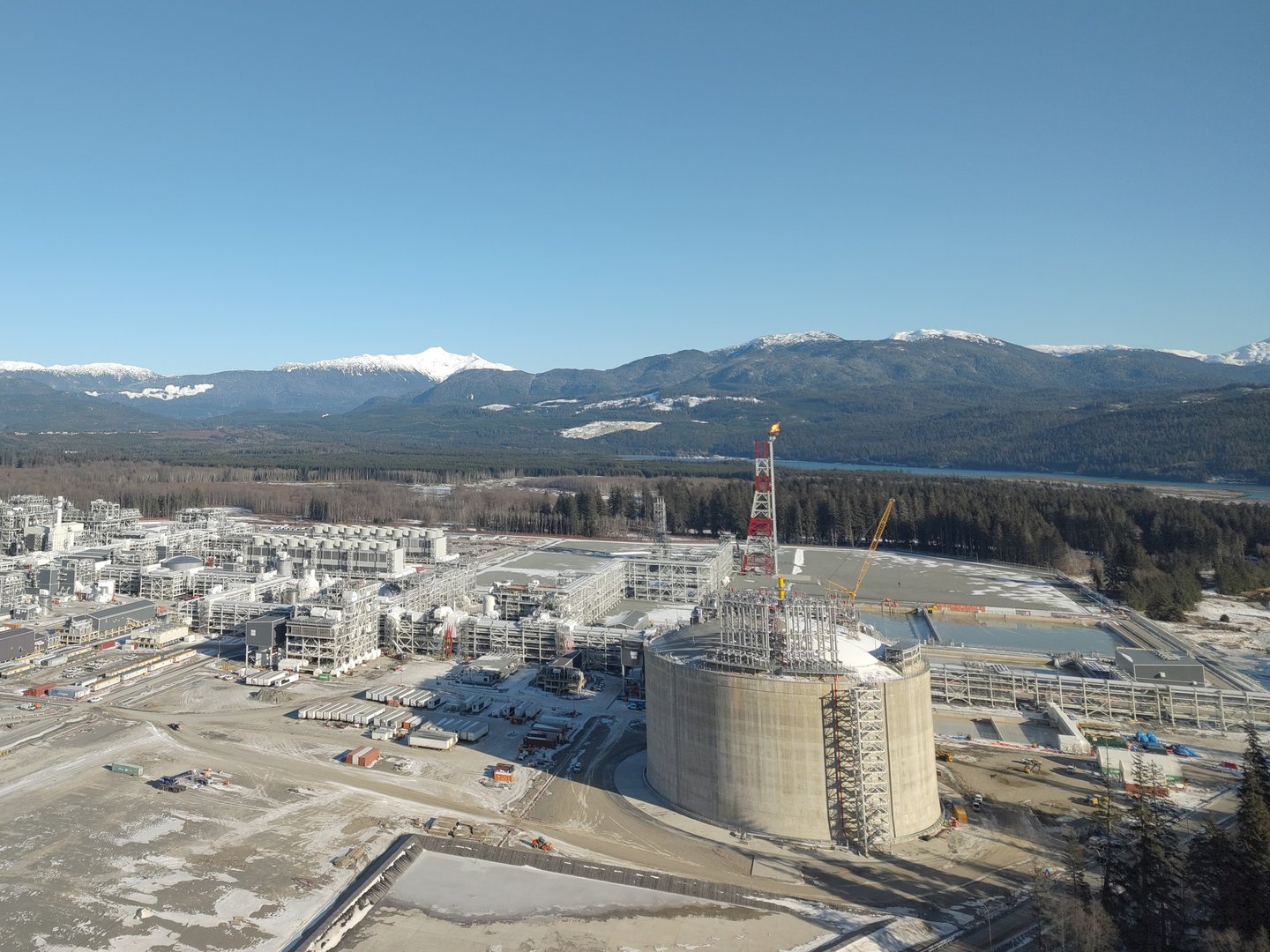
When Prime Minister Mark Carney unveiled his government’s first five “nation-building” projects this week, the focus was on scale and ambition. The liquid natural gas (LNG) expansion in Kitimat, B.C., a small modular reactor at Darlington, Ont., the Contrecoeur container terminal in Montreal, and critical mineral developments in British Columbia and Saskatchewan demonstrate that Ottawa is ready to fast-track major projects that strengthen the country’s competitiveness. Energy, infrastructure and mining are the building blocks of growth, and Carney is signalling he intends to put them at the centre of his economic strategy.
Yet, for all their importance, these initiatives highlight a glaring omission: food. Canada is one of the world’s foremost breadbaskets—a reliable supplier of safe, high-quality products and home to one of the most innovative food ecosystems in the world. Agriculture and agri-food generate more than $90 billion in exports each year and support one in nine Canadian jobs. But, in this first round of nation-building projects, the sector was largely absent. While the expansion at Contrecoeur will help ease shipping bottlenecks for grains and processed foods, and stable nuclear power may eventually lower costs for processors and greenhouse operators, these are indirect benefits. Agriculture and food deserve direct, large-scale investments of their own.
To be sure, certain vulnerabilities within the system do require attention. Western Canada’s beef-packing sector, for example, has long been concentrated in a few massive facilities. When one of them experiences a labour dispute or a shutdown, the effects ripple across the supply chain, leaving farmers and consumers exposed. Expanding and modernizing beef-packing capacity would help, but this is only one piece of a much larger puzzle. If Canada is to secure its place as a global food power, it needs projects that match the ambition of those announced this week, projects that address the structural needs of our food system.
Five such projects come to mind. A Prairie Gateway Grain and Pulse Terminal. A new rail-linked, export-ready hub in Saskatchewan or Manitoba would allow canola, peas, lentils and wheat to reach global markets at scale, the Prairie equivalent of Contrecoeur. A Protein Supercluster 2.0. A multibillion-dollar corridor of state-of-the-art processing plants that would transform plant proteins, canola oil and biofuels into higher-value exports. A National Plant and Animal Science Campus. Modeled on Wageningen in the Netherlands, this would centralize advanced breeding, climate-resilient crop research and livestock genomics, providing the kind of moonshot science Canada badly needs. Northern Food Sovereignty Corridors. Investments in vertical farming and greenhouses would reduce reliance on costly imports, improve access to fresh food in northern and Indigenous communities and advance reconciliation. Finally, a Digital Food Traceability Network would create a nationwide platform for tracking products from farm to fork using blockchain and AI, cutting waste, reassuring consumers, and giving Canadian exports a decisive edge in markets where transparency is paramount.
Carney’s first set of projects was designed to show that Canada can think big and act fast. But if this strategy is to be complete, food must be part of the equation. Feeding the country—and much of the world—cannot remain an afterthought. Moreover, if Canada is to be taken seriously as a global player, the culture of bureaucracy and self-inflicted uncertainty that has slowed so many past initiatives must be muted and ultimately eliminated. Investors, farmers and innovators alike need predictability and speed, not endless regulatory churn.
In short, building mines and reactors may fuel prosperity, but building the infrastructure, science and innovation to sustain our food systems is what will secure it. Canada’s true power lies not just beneath the ground, but also in the fields, labs and supply chains that keep plates full at home and abroad.