

Quebec seeks to protect the squeak

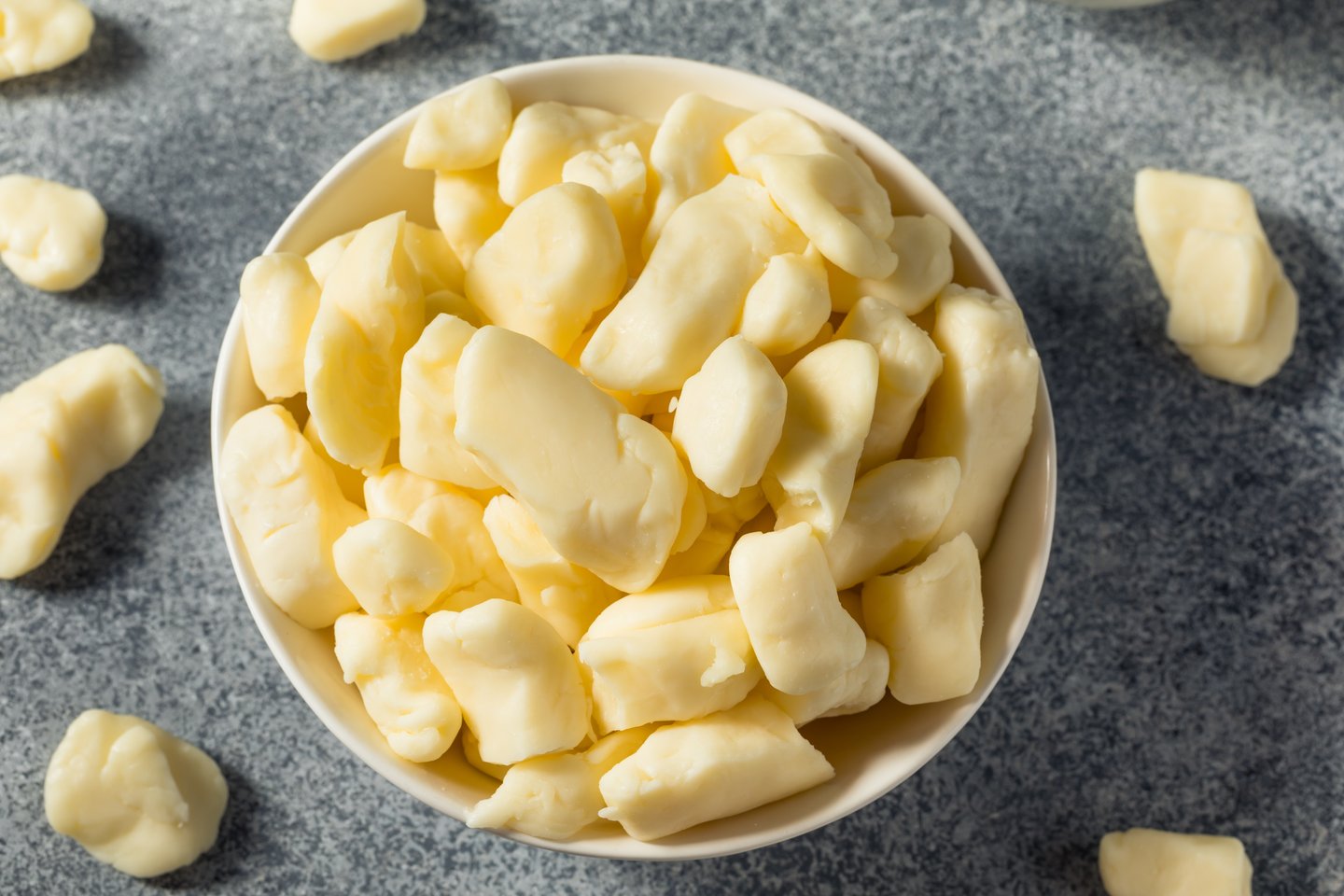
Quebec is moving ahead with plans to recognize fromage en grains du Québec—cheese curds—as a controlled designation. If adopted, the rules would be simple: the milk would need to come from Quebec, the curds would need to be produced there and producers would have to follow a prescribed production protocol. Cheese curds made outside the province simply could not be marketed under the name fromage en grains du Québec.
Controlled designations in food are hardly unique to Quebec. Around the world, they are used to protect products tied to place and tradition. Europe built entire food economies around them. Systems like Appellation d’origine contrôlée safeguard names such as Champagne and Parmigiano Reggiano, ensuring that only products made in specific regions and according to defined methods can use those labels.
In Canada, Quebec is the only jurisdiction with a formal legal framework dedicated to these protections. The system is overseen by the Conseil des appellations réservées et des termes valorisants (CARTV). These designations define where a product must be made, how it must be produced and what standards it must meet. In doing so, they protect both the reputation—and the economic value—of regional foods.
Quebec has already used the framework to protect products such as veau de Charlevoix and maïs sucré de Neuville. Cheese curds are next.
But is such protection really necessary?
Cheese curds are, after all, a dairy product. And under Canada’s supply management system, milk quality and composition are remarkably standardized across the country. In theory, curds made in Ontario or Alberta should not be fundamentally different from those made in Quebec.
It is also worth remembering that Quebec did not invent cheese curds. Historically, curds have existed for thousands of years as a by-product of cheesemaking. In Canada, they long predate poutine. Fromagerie St-Albert in Eastern Ontario, for example, has been producing cheese curds since 1894—decades before poutine was first popularized in Warwick, Quebec, in 1957.
Yet, one must admit something important: cheese curds in Quebec are different. The difference lies not in the chemistry of the milk, but in freshness and handling.
Cheese curds are famous for their distinctive squeak—a sound created by the tight network of casein proteins formed during the earliest stage of cheddar-style cheesemaking. When curds are extremely fresh, that elastic protein structure rubs against tooth enamel, producing the unmistakable squeaky sound.
But the phenomenon is fleeting. Within hours, salt, acidity and refrigeration begin relaxing the protein matrix. The texture softens. The squeak disappears.
Quebec’s dairy industry has turned that brief window of dairy science into a cultural signature. Many Quebec fromageries sell curds just hours after production, often without immediate refrigeration. The goal is simple: preserve the elasticity and moisture that create the squeak.
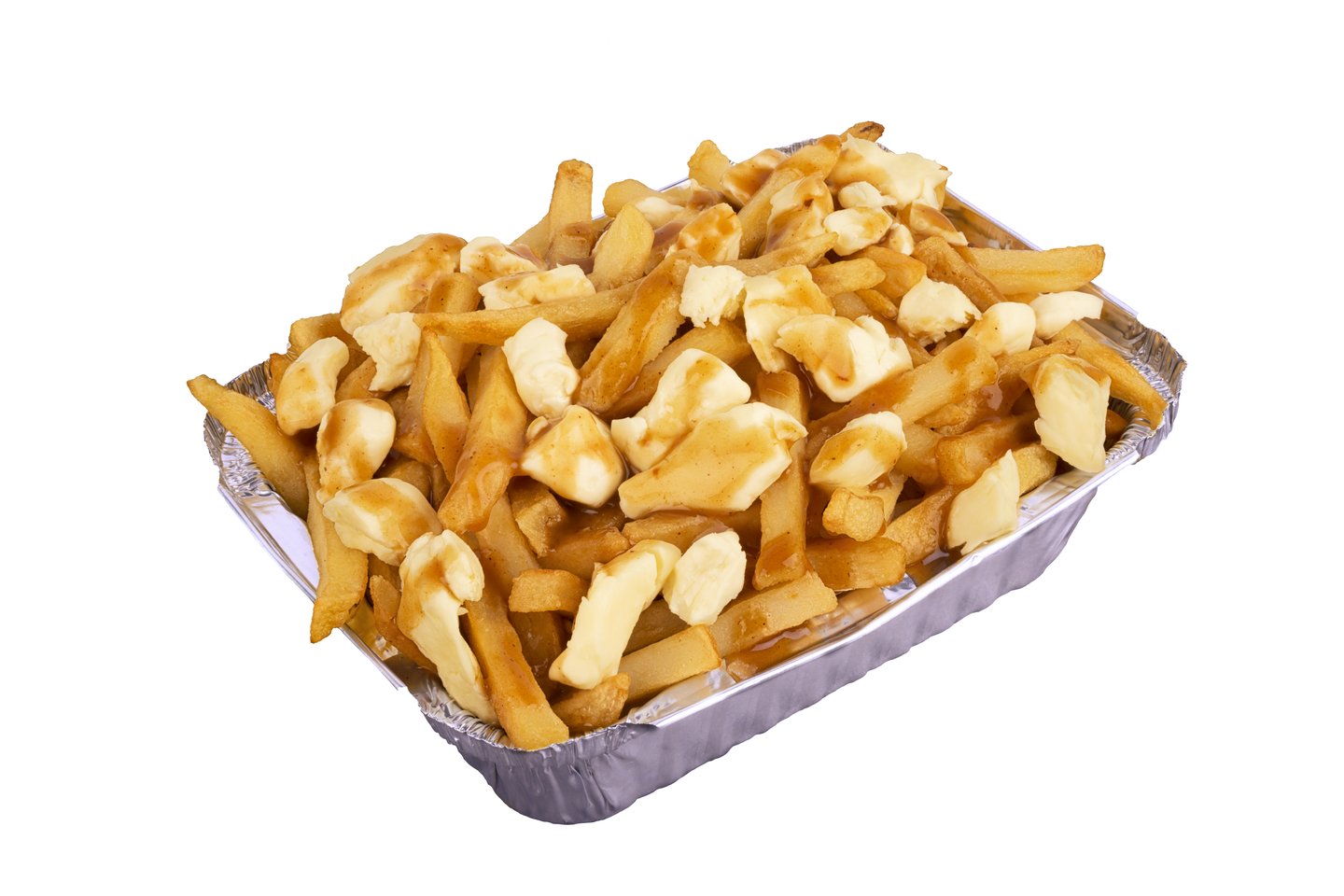
The result is the ideal curd for poutine—firm enough to squeak when bitten, yet resilient enough to soften gently under hot gravy without fully melting.
In that sense, Quebec’s famous fromage en grains is not chemically unique. But its freshness, handling and culinary purpose make it unmistakably distinct. Still, the push for a controlled designation is not only about culture. It is also about economics.
When a product receives a protected designation under Quebec’s system, the cahier des charges—the rulebook—can require that raw materials come from a specific territory. If the future designation for fromage en grains du Québec requires the milk originate in Quebec, processors would not be able to import cheaper milk or dairy proteins from elsewhere and still use the protected name.
At a time when American dairy producers are increasingly eager to sell dairy proteins into the Canadian market, that requirement matters. It effectively ensures the curds carrying the Quebec name are made from Quebec milk.
In other words, the designation protects more than tradition—it protects a market. But it also raises another issue: interprovincial trade.
OPINION: Canada's food manufacturing sector needs to be more agile
Canada already struggles with cumbersome internal trade barriers between provinces, particularly in agri-food. Adding controlled designations tied strictly to provincial origin risks reinforcing those barriers rather than dismantling them. While the designation does not prevent producers elsewhere in Canada from making cheese curds, it does create yet another layer of differentiation that can complicate trade and marketing across provincial lines. For a country that regularly calls for freer internal trade, the optics are not trivial.
What may also irritate producers outside Quebec is the perception that such designations signal superior quality. They do not. Cheese curds are produced across the country, and many regions have their own distinctive styles. Curds from Ontario, Manitoba or the Maritimes can be just as good—sometimes better—depending on freshness and technique.
The designation simply protects a specific regional version. And Quebec is not done. Maple syrup is widely expected to be next on the list. When that happens, producers outside Quebec may once again question where cultural protection ends—and market protection begins.