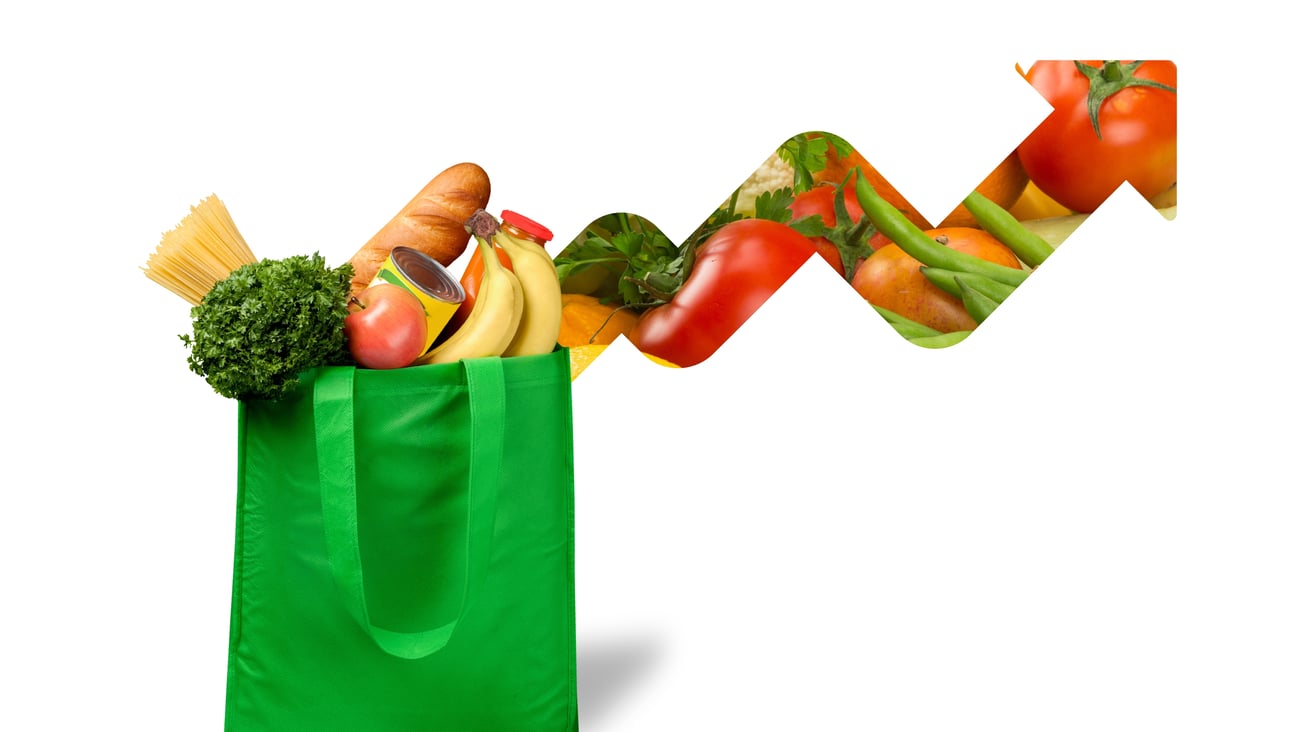

Manitoba just proved that taxing food is a policy choice, not a necessity

Manitoba’s decision to remove the provincial sales tax (PST) from all groceries is a sound policy move—though perhaps not for the reasons many assume. What makes this announcement even more remarkable is who is making it: an NDP government choosing to reduce taxes at the grocery store. In today’s policy environment, that is both unexpected and noteworthy.
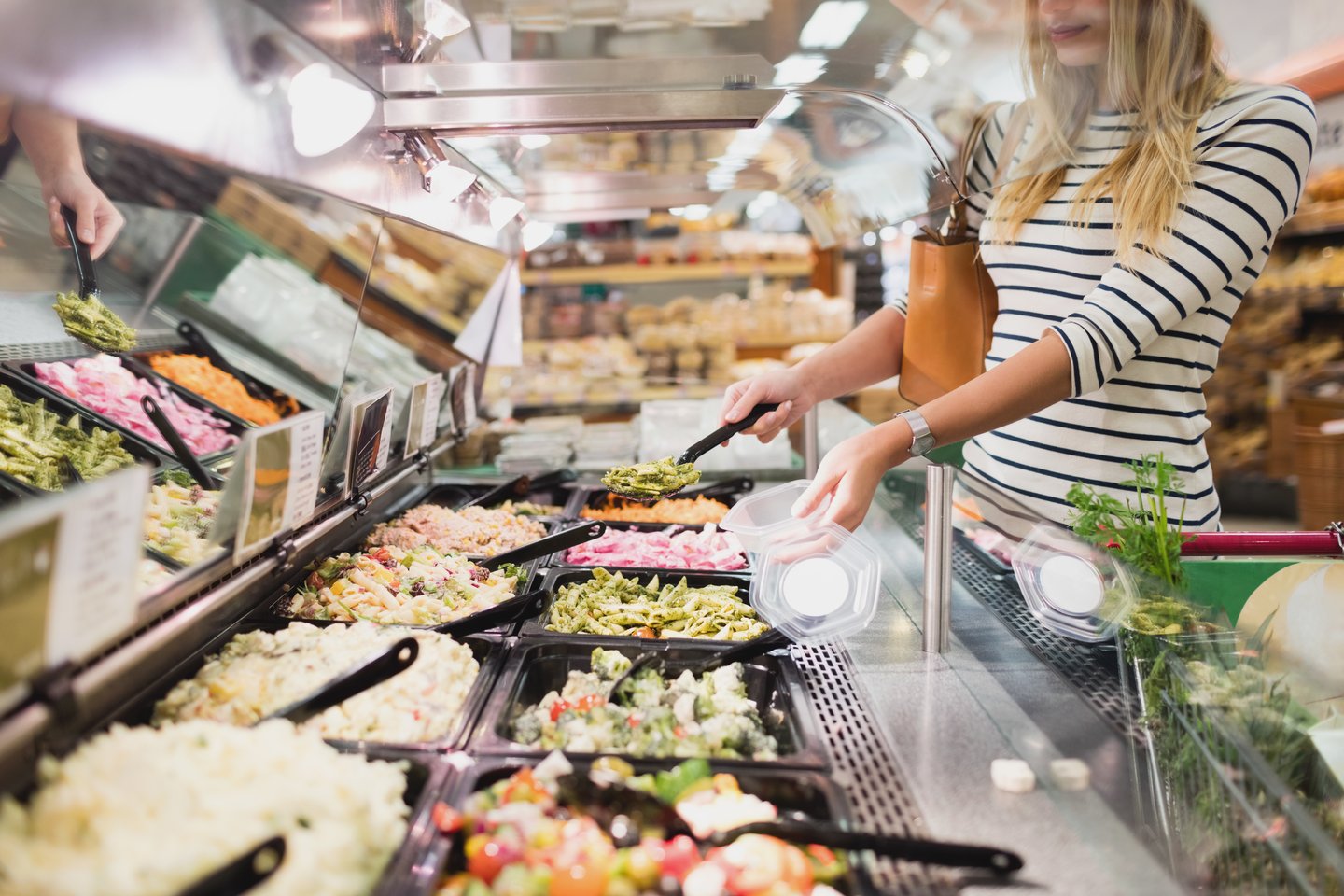
At first glance, food in Canada appears largely tax-free. Most basic groceries are indeed exempt. But that perception quickly breaks down once consumers move beyond raw ingredients. As households increasingly rely on convenience—whether due to time constraints, smaller household sizes or shrinkflation—they enter a fully taxable part of the store. Prepared foods, snacks, beverages, and single-serve items are all subject to sales tax. That’s where affordability quietly erodes.
This matters more than policymakers often acknowledge. Seniors, single-person households and lower-income Canadians are disproportionately affected. These groups depend more on ready-to-eat and smaller-format foods—not out of preference, but necessity. Larger, untaxed formats are often impractical, effectively exposing them to a higher tax burden on food. Put simply, taxing food—particularly in the ways we do today—is fundamentally unfair. Food is not a discretionary good; it is a necessity. Taxing it is, in principle, immoral. Full stop.
READ: Consumers crave more from home-meal replacements
In Manitoba, while essential groceries are largely exempt, households still pay PST on a meaningful share of their food purchases. Based on typical spending patterns, between 10% and 15% of a household’s food budget falls into taxable categories. For a family of four spending roughly $17,000 annually on food, this translates into about $120 to $180 per year in PST paid at the grocery store.
READ: Food prices forecast to climb up to 6% in 2026
For a single senior, the burden is often more pronounced due to a greater reliance on ready-to-eat and convenience items. With taxable spending typically ranging from 15% to 23% of their food budget, a senior spending around $4,000 to $5,000 annually on food would pay approximately $40 to $80 per year in PST at the grocery store.
Individually, these amounts may seem modest. But collectively, they reveal a structural inefficiency in how food is taxed in Canada. Food affordability is not just about shelf prices—it is also about how policy shapes what consumers ultimately pay at checkout.
What Manitoba is doing is reducing friction in a system already under pressure. The food supply chain operates on thin margins, and businesses face a growing accumulation of costs—fuel, carbon pricing, packaging requirements, recycling fees—all of which are passed on, at least in part, to consumers. It is rare to see governments step back and reduce their fiscal footprint in the food sector. Manitoba should be recognized for doing so.
That said, the policy is incomplete. The exemption does not extend to foodservice. Restaurants and prepared food providers remain fully taxed, creating a competitive imbalance between retail and foodservice channels. At a time when the restaurant sector is already under strain, a broader exemption covering all food—regardless of where it is purchased—would have been more coherent.
Still, the signal is important—and it should not stop at Manitoba’s borders. Other provinces, and Ottawa as well, should take note. If an NDP government can move decisively to cut taxes on food, others have little excuse to stand still. If we are serious about improving food affordability, reducing or eliminating sales taxes on food—particularly on the categories Canadians actually buy today—should be part of the policy toolkit. Manitoba has set a precedent; others should follow.
Food affordability in Canada will not be solved by a single measure. But removing taxes where they quietly accumulate is a meaningful place to start—and one that governments across the country can no longer afford to ignore.