New labels, tighter budgets and functional claims are reshaping what families pack for school
Though back to school remains a key seasonal opportunity for grocers, parents are more discerning than ever. Familiar staples still matter, but nutrition, convenience and value are increasingly shaping decisions. The biggest opportunities for 2026 will be products and merchandising that solve more than one lunchbox need at once.
Labels sharpen the lunchbox filter
Ipsos data shows how complicated the healthy snacking picture has become. For the 12 months ending February 2026, fresh fruit and cheese remained some of the top snack categories among Canadian shoppers, but lost 0.8 and 1.2 share points, respectively. Yogurt gained 1.2 points, while chocolate and cookies each gained one point.
READ: Front-of-package labels are already shaping shopper behaviour
Emma Balment, director, food and beverage group at Ipsos, points to portion control and reformulation as part of the snacking shift, noting that cookie innovation has been driven by formulations with less sugar, simple ingredients or fruit and vegetable additives. With parents more wary of sugar than fat or sodium, she says granola bars and muffins may be losing some of their health halo, while some salty snacks are seeing modest gains.
At Longo's, Mike Longo, chief merchandising officer, says Canada’s new front-of-pack nutrition symbol is changing how some parents navigate the aisle. “We anticipated these labels would begin influencing purchasing decisions by serving as a quick visual filter for busy parents, and early indications suggest that’s exactly what’s happening,” he says.
Whole foods offer a simpler alternative to navigating labels altogether. At Country Grocer’s Royal Oak location in Victoria, B.C., assistant store manager Jesse Thomson notes that produce has become a bigger part of the back-to-school basket. “What we’ve seen over the last couple years is people are buying a lot more produce coming into this time of year,” he says.
Bil Goldfield, director of corporate communications at Dole Food Company, says fresh fruit has nothing to hide. “As shoppers spend more time evaluating packaged products and labels, produce stands out for its transparency,” he says. “There are no ingredient lists to decode.”
Functional food meet mainstream realities
Functional cues are becoming more relevant in lunchbox categories. In a May 2026 Field Agent survey of 597 parents with children entering kindergarten through grade 12, 48% of respondents said they planned to buy energy or nutrient bars for school lunches, followed by fortified dairy and dairy alternatives at 45% and fibre-enhanced products at 44%.
Protein has shifted from a fitness-focused attribute into a mainstream nutritional priority, says Longo, and fibre is following suit as parents look for snacks tied to satiety and gut health.
READ: Defining the 2026 back-to-school shopping season
Shannon Crocker, a registered dietitian in Hamilton, Ont., says protein and fibre matter because they help support steady energy, but cautions against vague wellness claims such as “gut health” or “clean ingredients.” “They’re marketing terms,” she explains. “Kids can support gut health simply by eating a variety of fibre-rich foods like fruits, vegetables, whole grains and legumes—no special products required.”
Marie-Josée Richer, co-founder of Prana Foods, says families are also looking beyond single-claim snacks. “It was all about protein and now it’s fibre but, slowly, consumers are looking for overall nutrition balance,” she says. Still, taste remains paramount. “If kids don’t like the flavour, the parents are not going to repurchase,” Richer says, noting Prana recently reformulated its cookies to improve texture and flavour.
But functional benefits need to work within a grocery budget, especially when better-for-you products are competing against cheaper processed snacks. In the Field Agent survey, 75% said inflation would have a greater impact on their back-to-school shopping than last year.
Soul7, refrigerated squares made from upcycled fruits and vegetables, is one example of a brand combining produce, protein, fibre and convenience without pushing too far into premium pricing.
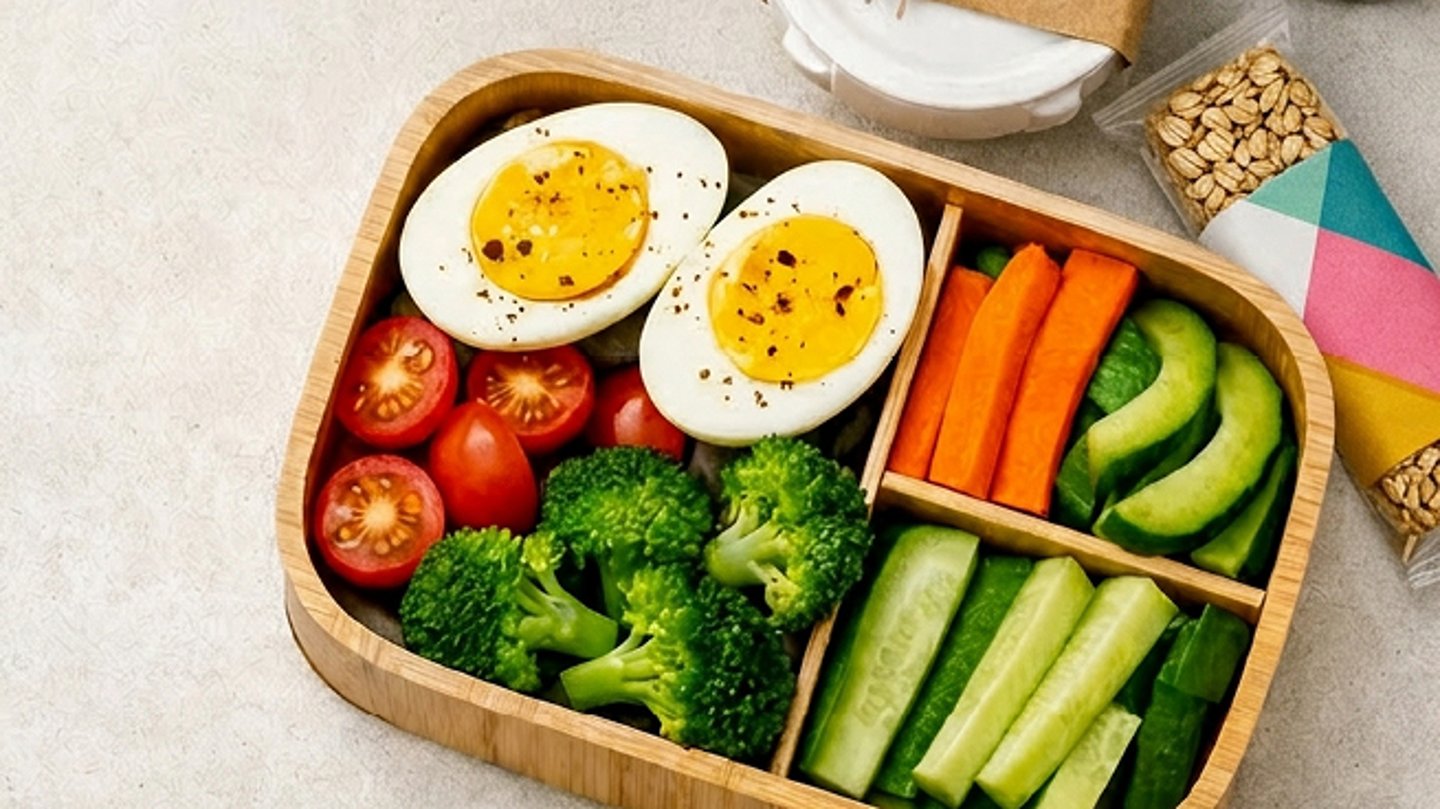
Affordability pressures may also favour familiar protein formats. Eggs, for instance, are a budget-friendly protein that can move beyond breakfast into school lunches and snacks. “Canadians are increasingly turning to eggs as a cost-effective, high-quality source of protein,” says Margaret Hudson, president and CEO of Burnbrae Farms.
For grocers, the priority should be making better-for-you options visible alongside lunchbox staples. Field Agent’s survey suggests parents want retailers to reduce the friction of back-to-school shopping with clearer sections, healthier lunch and snack ideas and better value offers. Prana’s Richer says better-for-you snacks need to move beyond the better-for-you aisle with secondary placements, endcaps and displays helping discovery.
This article was first published in Canadian Grocer’s June/July 2026 issue.