Tariffs, food inflation and buying Canadian among the biggest food stories of 2025: Dalhousie

Food affordability, consumer trust and system resilience were among the structural forces that shaped the biggest food stories of 2025, reports the Agri-Food Analytics Lab at Dalhousie University (AAL).
The AAL has released its annual Top 10 Food Stories of the Year, offering an assessment of the issues that influenced Canada’s food system in 2025.
Traditionally, the Dalhousie University lab’s year-end rankings focus on headlines or viral moments. This year, stories captured public attention through symbolism and nostalgia, while others exposed deeper economic and regulatory fault lines that will continue to shape Canada’s food system well beyond this year.
“From maplewashing and meat prices to GLP-1s and grocery power, 2025 exposed a food system where optics dominated, trust frayed, and structural failures finally showed up at the checkout.” said Dr. Sylvain Charlebois, director of the Agri-Food Analytics Lab at Dalhousie University. “For the first time in years, the national conversation moved away from simplistic blame narratives and toward the structural realities—policy design, regulation, logistics, labour, and market power—that actually drive food affordability.”
Read on for the top 10 stories, with descriptions provided by the lab.
Crown Royal theatrics
A highly visible political moment by Premier Doug Ford generated headlines but had little impact on supply chains, prices, or employment, illustrating how symbolism can overshadow substance in food policy discussions.
Disappearance of iconic candies
A cultural story driven by hard economics. The loss of legacy confections like Cherry Blossom, Jersey Milk revealed the pressures of rising input costs, shrinking margins, and intense retail competition in modern food manufacturing.
Buy Canadian & maplewashing
A credibility test for brands and policymakers. Patriotic branding surged in 2025, but so did consumer skepticism, prompting deeper scrutiny of what “Canadian” truly means in food production and ownership.
Meat counter economics
Record prices, tight supply, uncomfortable realities. Beef prices reached record highs, chicken supply tightened, and imports filled domestic gaps, exposing misalignment between production systems, policy frameworks, and demand.
GST holiday and the debate on making it permanent
Reopening a fundamental policy question. The GST Holiday anniversary reignited debate over taxing food as inflation rebounded sharply by year’s end.
GLP-1s transforming food demand
A quiet structural shock to consumption. Rapid adoption of GLP-1 medications reshaped demand for snacks, alcohol, and foodservice, emerging as a major structural disruptor.
The cloned meat disaster
A regulatory and communications failure. Health Canada’s handling of cloned-meat approvals triggered backlash, underscoring the growing importance of transparency and public trust.
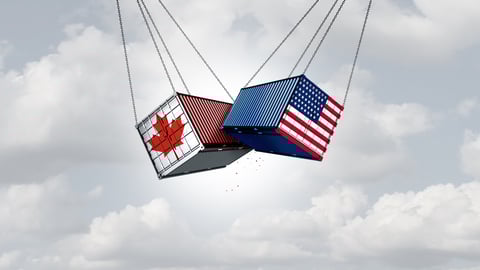
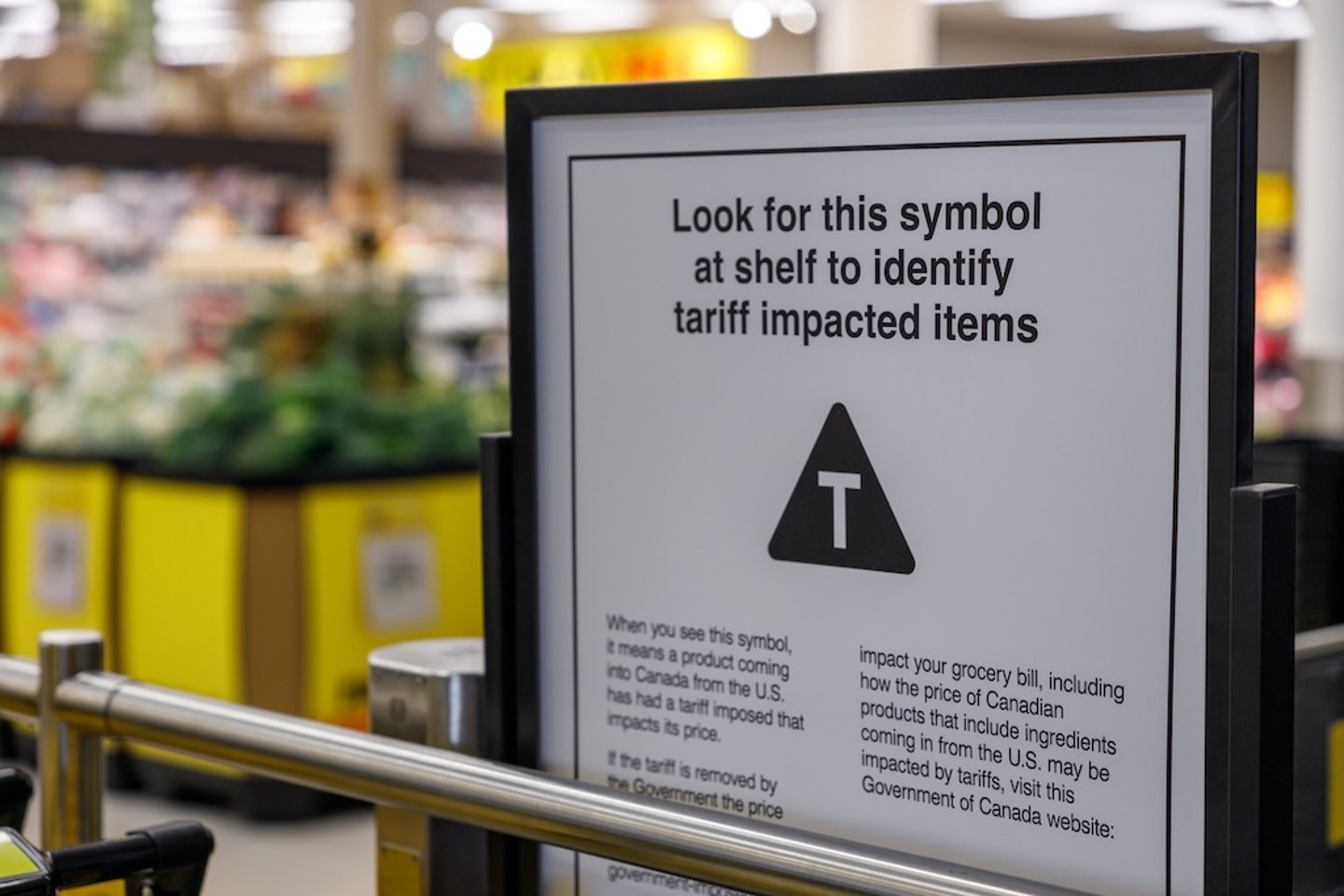
Tariffs and counter-tariffs hitting food prices
Policy volatility with direct price effects. Trade uncertainty raised costs across the agri-food supply chain, reinforcing how quickly policy shifts affect food prices.
Grocer code of conduct established
A long-awaited structural reform. Finalized in 2025 and effective January 1, 2026, the Grocery Code of Conduct represents the most significant reform in the sector in decades.
Structural food inflation crisis
The defining food and economic story of 2025. Food insecurity reached historic levels, and public discourse finally recognized that Canada’s food inflation problem—rooted in the post-2008 era—is structural, not cyclical.
The lab's honourable mentions include talks to end interprovincial trade barriers and the skepticism toward food regulation and science gained limited traction, demonstrating Canada’s exposure to global food-politics spillovers.
“This list shows that Canada’s food challenges are no longer cyclical or temporary,” said Charlebois. “They are structural, deeply embedded, and politically uncomfortable to fix—but ignoring them is no longer an option.”