
From whisky dumps to wheat bags in Mexico: Canada’s food politics gets silly
In recent weeks, we have witnessed politicians lean on powerful visuals to make their case on food and trade. But these staged moments rarely serve the public interest. Worse, they often deepen food illiteracy in a country where understanding how our system works is already fragile.
Take Ontario Premier Doug Ford’s stunt. Upset with Diageo’s decision to close its bottling plant in Ontario, he theatrically dumped a bottle of Crown Royal and urged Ontarians to boycott the brand. What he didn’t mention is that the bottle in question was made in Manitoba and bottled in Quebec by unionized Canadian workers — jobs unaffected by the Ontario closure. The Windsor facility mainly serviced the U.S. market, and Diageo’s decision was years in the making. Ironically, the boycott risks punishing Canadian workers who will continue producing Crown Royal for Canadians. And for future investors, the message is chilling: why put capital into Ontario if a government will trash your brand on television for a corporate restructuring decisions.
READ: Carney’s big projects are bold, but where’s the plan for food?
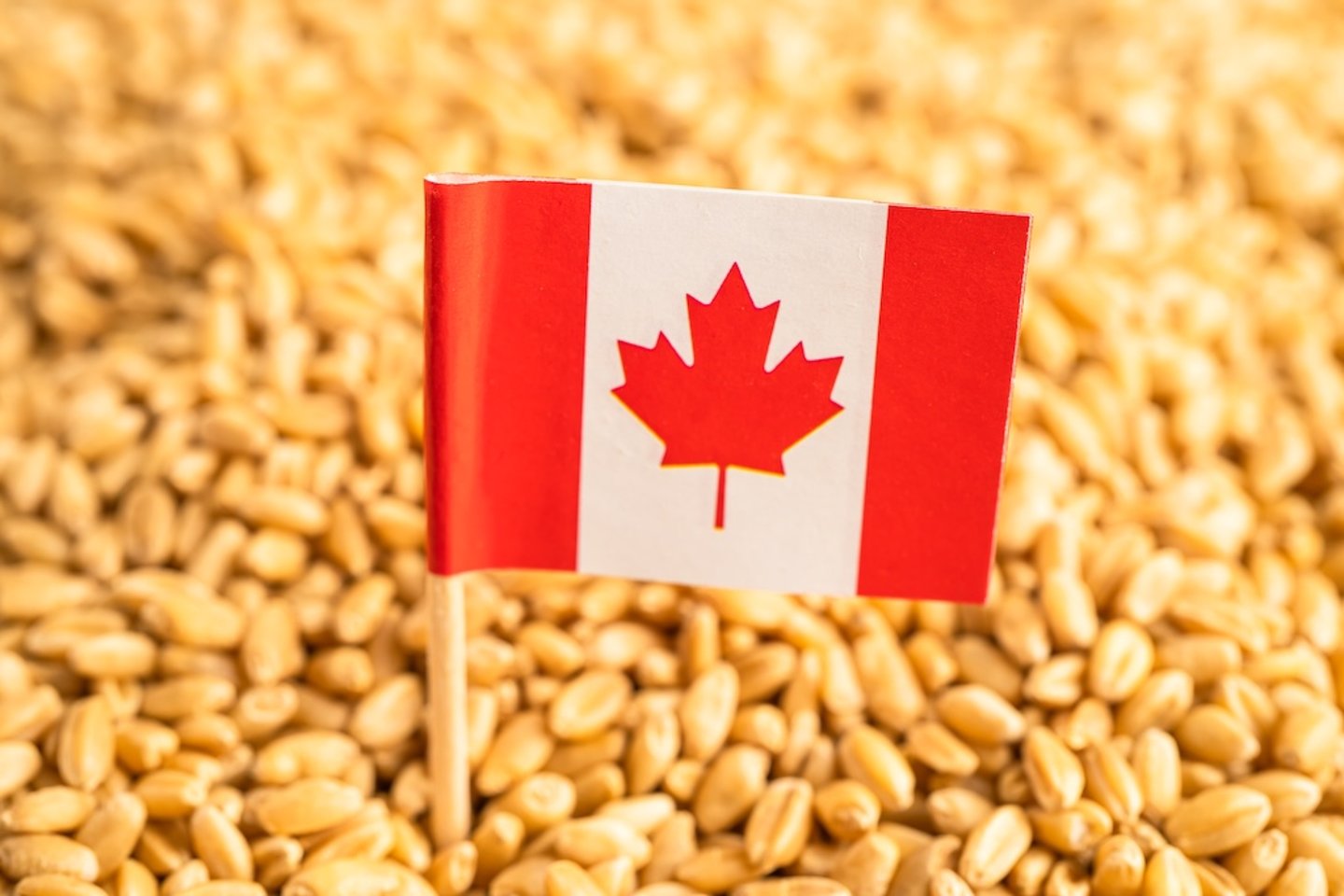
The federal stage brought us another head-scratcher. During a trade visit to Mexico, Prime Minister Mark Carney posed with bags of Canadian wheat stamped with a maple leaf. The problem? Canada doesn’t export wheat in bags. We are among the most efficient bulk grain exporters in the world, shipping millions of tonnes through rail networks and ocean vessels designed for efficiency, safety, and traceability. Bagged wheat is a relic of less mechanized economies. For Canada to present itself this way trivializes our status as a modern agri-food powerhouse. Beyond being misleading, the image suggests to global partners that our system is less advanced than it truly is — a dangerous misrepresentation for a nation that depends on reputation as much as price.
This matters because perception influences policy. Just this week, polls show Canadians support cutting tariffs on Chinese electric vehicles to protect canola growers facing retaliatory barriers in China. Yet many of the same respondents prefer defending supply management in dairy — a policy widely seen as one of Canada’s most anti-competitive and least efficient. Both tariffs and supply management undermine farming, yet Canadians cling to both. The contradiction highlights just how confused the public has become about agricultural policy.
Politicians are partly to blame. By reducing complex issues to simplistic theatrics, they are not educating but obscuring. Media outlets, for their part, too often amplify these stunts rather than scrutinize them. Canada’s agri-food sector thrives on scale, efficiency, and credibility. Cheap political optics — whether a dumped bottle or a staged wheat bag — do nothing to support that reality.