
Doug Ford's tantrum is costing Canada
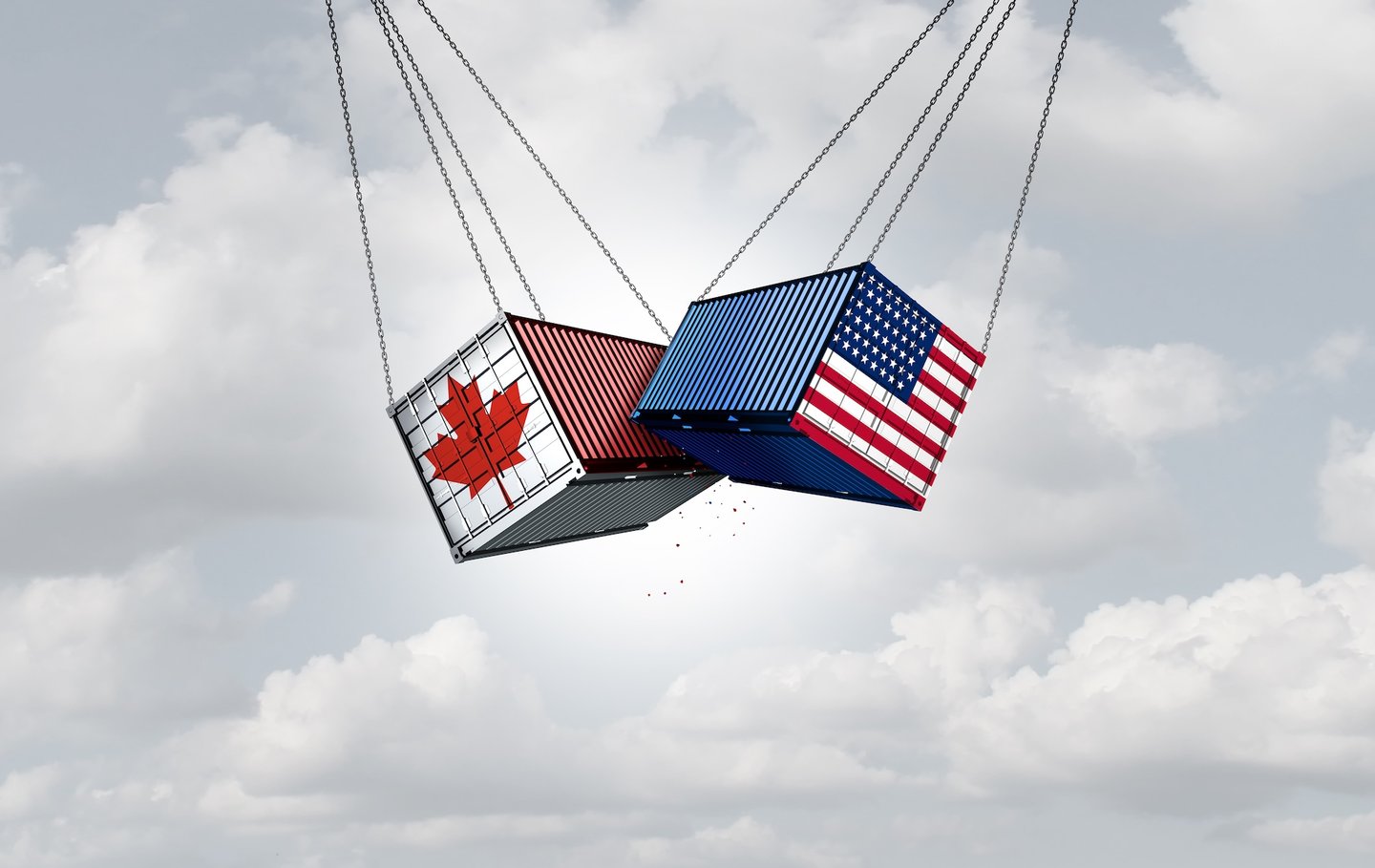
The United States and President Trump are clearly frustrated with Canada’s handling of trade negotiations involving softwood lumber, automotive parts, oil, aluminum, and steel. Whether Ontario’s anti-tariff advertising campaign—funded by the Ford government—is the direct reason Washington raised tariffs from 35% to 45% on non-CUSMA imports is beside the point. What matters is that the escalation reflects a deteriorating diplomatic climate that will have very real consequences for Canadian agri-food exporters.
Some analysts argue that a 10-percentage-point increase is inconsequential. It is not. The issue isn’t simply what is being tariffed or by how much—it is the tone of the relationship. Canada is increasingly perceived as erratic and reactive, a country negotiating from emotion rather than strategy.
READ: Trade disruptions stifle growth for Canadian food and beverage manufacturers: FCC
Premier Doug Ford’s “stand up to America” messaging—complete with a nostalgic Ronald Reagan cameo—may have been rooted in genuine conviction. Ford likely believes, as many Canadians do, that defending the country’s interests with bold language is the right thing to do. But again, that doesn’t matter. In diplomacy, tone often outweighs intent. What plays well domestically can sound defiant or even antagonistic abroad, and the consequences are already being felt across industries.
Over the past year, Ford has gone on public tirades against foreign-owned companies such as Crown Royal, accusing them of abandoning Ontario, and Stellantis, for seeking federal and provincial support for their electric vehicle plant. These theatrics may score short-term political points, but they have long-term costs. They reinforce the impression that Canada is hostile to international investors at a time when collaboration—not confrontation—is what’s needed most.
READ: Booze economics: Why liquor boards shouldn't play tariff games
Such rhetoric fuels uncertainty on both sides of the border. The results speak for themselves: higher tariffs, weaker investor confidence, and American partners quietly pivoting away from Canadian suppliers. Tariffs or no tariffs, many Canadian food exporters are already losing American accounts—not because of trade rules, but because of eroding trust and poor diplomacy.
Premier Ford’s political campaigns and threats of lawsuits may be popular talking points at home, but they are costly for the country as a whole. Washington’s retaliatory measures do not distinguish between provinces. They affect all exporters, including Canada’s food manufacturers that rely heavily on the U.S. market.
Those who believe the new 45% rate will have little effect on trade are mistaken. Canadian food companies are already losing U.S. contracts—not because of the tariffs themselves, but because Canada is now viewed as a business risk. Some Canadian importers now face steeper duties than competitors in Vietnam, Laos or even Myanmar. The problem is not the tariff schedule—it’s perception. And right now, the optics for Canada’s agri-food sector are poor.
While many Canadians dismiss President Trump as unpredictable or combative, the deeper question is what happened to Canada’s once-cohesive “Team Canada” approach to trade. The agri-food industry in particular depends on cross-border stability and predictability. Alienating our largest customer—one that represents 34 percent of the global consumer market—is not a sustainable strategy.
There is no trade war. There are no sides. What we are witnessing is an American recalibration of domestic fiscal policy with global consequences. Canada must adapt to this new reality with prudence, not posturing.
Results to date suggest one clear lesson: Canada needs a new approach—especially from Queen’s Park.