
Trump’s Belarus potash gambit: Canada should stop laughing

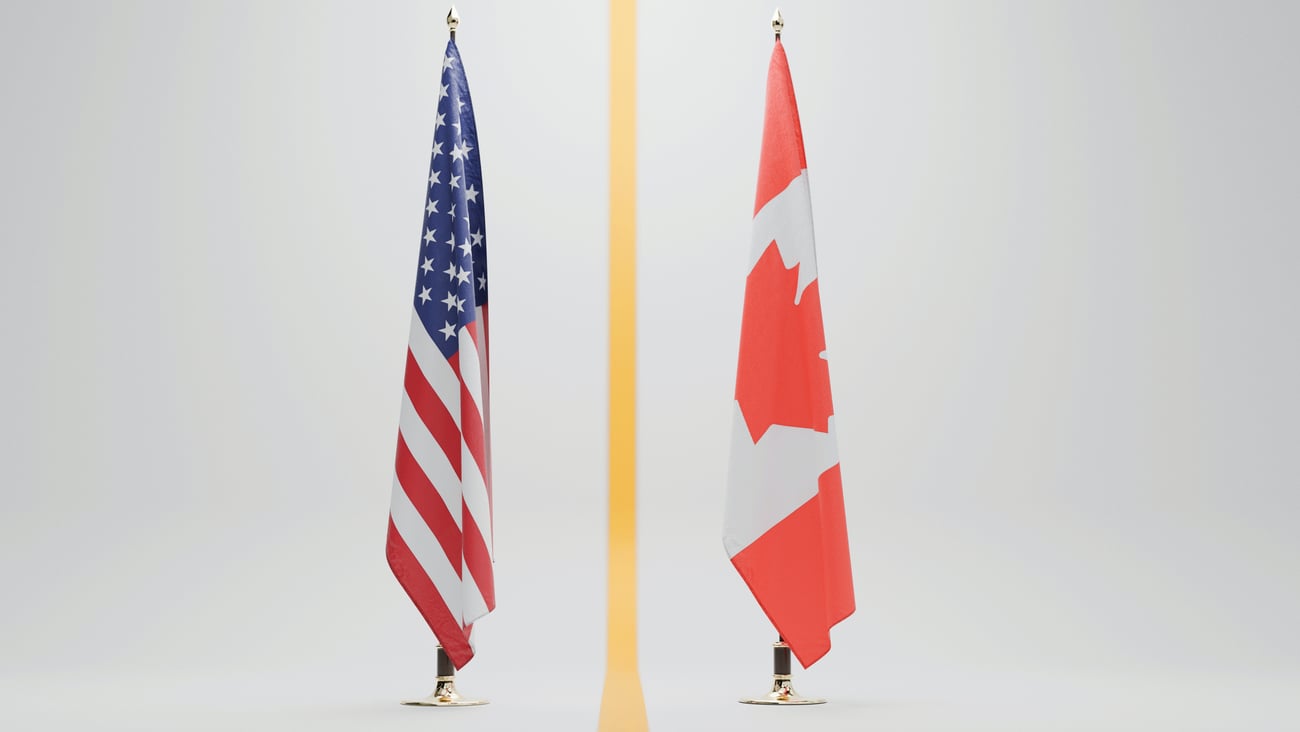
Donald Trump says the United States is working on a “massive” agreement to purchase potash from Belarus at substantially lower prices than it currently pays Canada. The announcement was quickly dismissed by some Canadian observers as economically unrealistic. That reaction may be premature.
Belarus cannot immediately replace Canadian potash, and it is far from clear that its product could be delivered to American farmers more cheaply. But the proposal should still be taken seriously. The United States does not need Belarus to replace Canada completely. It only needs another credible supplier to reduce its dependence on Saskatchewan and strengthen its negotiating position.
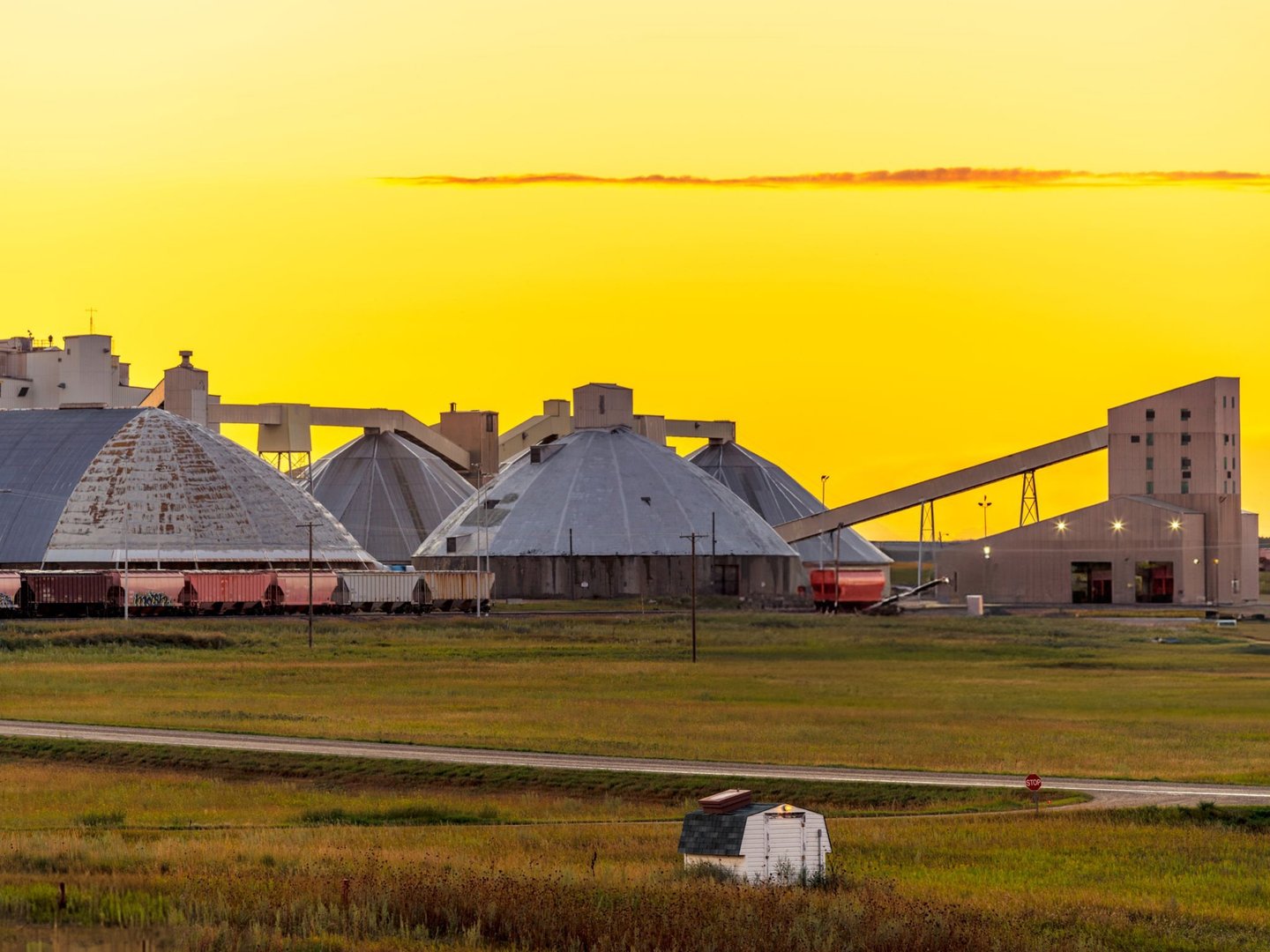
Canada currently supplies approximately four-fifths of American potash imports. Saskatchewan’s advantages are considerable: vast reserves, established mines, dependable production and direct railway access to the American Midwest.
Nevertheless, dominant market positions are rarely permanent.
In March, the U.S. Treasury removed Belaruskali and the Belarusian Potash Company from its sanctions list. American companies can now legally purchase Belarusian potash, and limited shipments have reportedly resumed.
Belarusian President Alexander Lukashenko has said that most current production is already committed under existing contracts. That statement has sometimes been interpreted as evidence that Trump’s proposed agreement is impossible.
It means something less dramatic: Belarus has limited uncommitted production available immediately.
Belarus has not run out of potash. That is nonsense. It possesses substantial reserves and can export approximately 10 million tonnes of potash product in a strong year. Most of that output currently goes to countries such as China, Brazil and India. But contracts expire, customers change and production capacity can expand.
For 2026, Belarusian shipments to the United States will likely remain modest. Beginning in 2027, however, Minsk could reserve additional production for American buyers or redirect volumes from other markets. An arrangement involving several hundred thousand tonnes would be commercially plausible. With longer-term contracts and additional investment, Belarus could potentially supply one or two million tonnes annually later in the decade.
READ: Don’t tax Canada’s pink gold
That would still represent only a portion of U.S. requirements. But even a relatively modest volume could give American importers greater leverage when negotiating with Canadian suppliers.
The more questionable part of Trump’s announcement is his assertion that Belarusian potash would cost “substantially less” than Canadian product.
Potash prices cannot be meaningfully compared at the mine. What matters to an American farmer is the delivered cost at a regional terminal or farm.
Canada holds an enormous logistical advantage. Saskatchewan potash can travel directly by rail into major agricultural states using infrastructure and commercial relationships established over decades.
Belarus, by contrast, is landlocked. Its traditional export route through Lithuania and the nearby port of Klaipėda remains unavailable under European sanctions. Belarusian potash must instead travel farther by rail through Russia, be loaded at a Russian port, cross the Atlantic and then move inland from an American terminal by rail or barge.
Every additional transfer creates costs for transportation, handling, insurance, financing and regulatory compliance. It also introduces geopolitical risk.
Under ordinary commercial conditions, Belarus would therefore struggle to undercut Saskatchewan in the American Midwest. A lower price at the port of departure does not guarantee a lower price when the fertilizer reaches Iowa, Illinois or Minnesota.
There are circumstances under which the economics could work. Belarus’s state-controlled producer might accept smaller margins to gain access to the American market. Russia could provide favourable railway or port arrangements. Washington could facilitate transportation or long-term purchasing agreements. Belarusian potash could also be more competitive in coastal American markets than in the central farm belt.
If Lithuania eventually allows Belarusian potash to move through Klaipėda again, transportation costs would fall significantly. European sanctions remain the principal obstacle to that route, however, and their future is uncertain.
The effect on global prices might also be smaller than the political rhetoric suggests. If Belarus redirects potash from Brazil or China toward the United States, those countries will still require fertilizer. Canadian producers could replace some of the Belarusian volumes in those markets.
For American farmers, greater supplier competition could nevertheless be beneficial. Potash is a critical crop nutrient, and lower fertilizer costs can improve farm margins. But it is only one component of agricultural production expenses, alongside nitrogen, phosphate, fuel, seed, labour and machinery. Even a meaningful potash discount would have only a limited and gradual effect on retail food prices.
For Canada, the lesson is not that Belarus will suddenly displace Saskatchewan. That scenario remains improbable. The lesson is that the United States has both the incentive and the ability to develop alternative supply relationships.
Canada’s resource advantage remains formidable, but it should not be confused with guaranteed market access. Maintaining the American market will require competitive production, reliable rail service, adequate infrastructure and stable trade relations.
Belarus can become a secondary American supplier over the next several years. Whether it can do so at a genuinely lower delivered cost remains doubtful. But even a higher-cost alternative can acquire strategic value when a customer believes it has become overly dependent on one country.
Trump does not need Belarus to replace Canadian potash. He only needs it to make Canada less indispensable.
That possibility should concern Ottawa far more than the headline itself.