
Don’t bet the farm on a dying deal
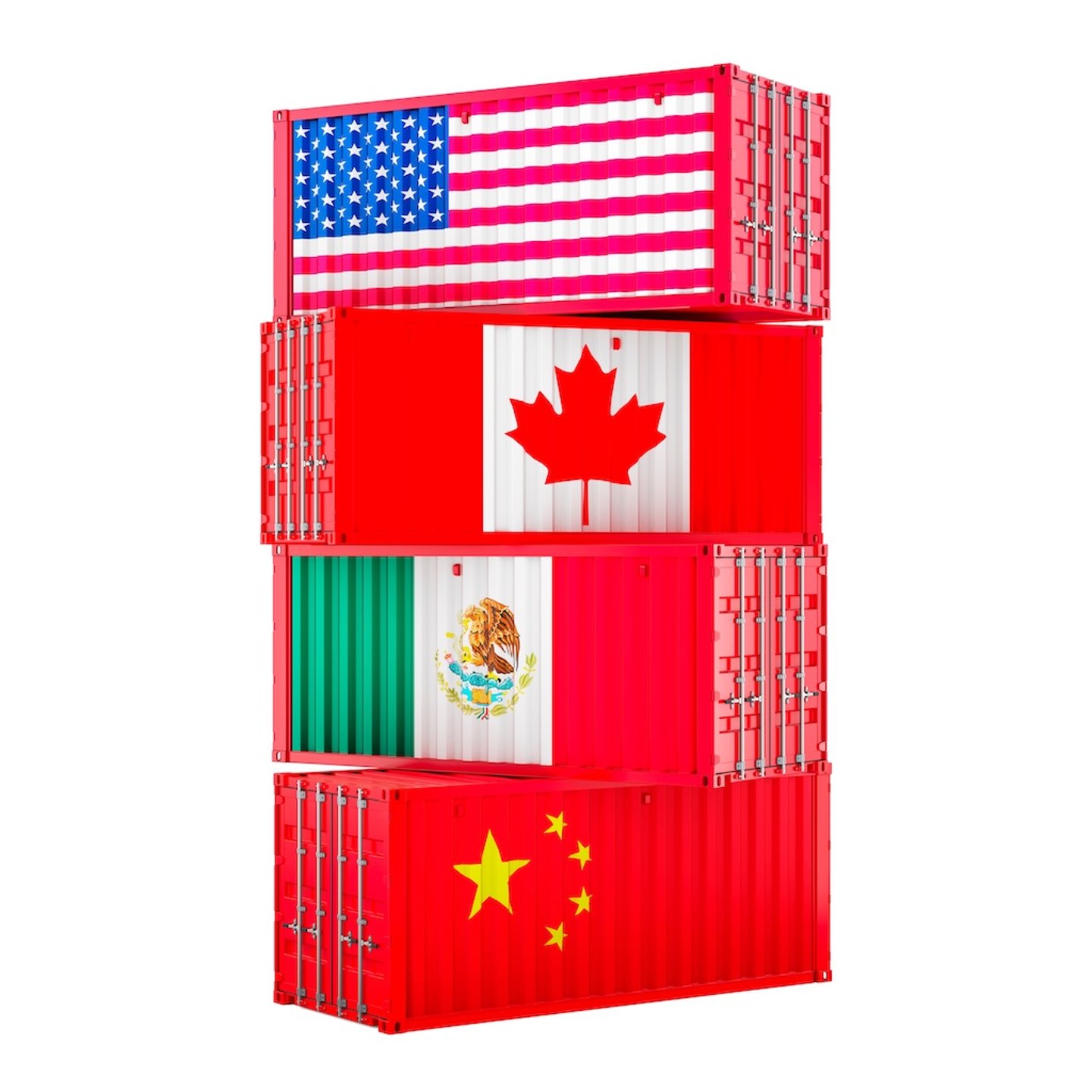
The trade feud between Canada and China is finally thawing—and it was long overdue.
The rupture began in 2018 with the arrest of Meng Wanzhou, a senior executive of Huawei, in Vancouver. What followed was not merely a diplomatic dispute, but a calculated economic response: China weaponized trade, and Canadian agriculture became collateral damage. Canola, pork, lobster, and other agri-food exports faced punitive tariffs and informal barriers that reverberated across rural Canada for years.
This week’s announcement confirms what many in agri-food already understood: Canada could not afford to let that standoff linger any longer.
Under the new agreement, China has cut tariffs on Canadian rapeseed to 15% and suspended duties on canola, lobster, and other products. In return, Canada will allow the importation of 49,000 Chinese electric vehicles at a 6% tariff. The changes take effect March 1. It is not a perfect deal—but it is a functional one.
So, pragmatism has won.
READ: Removing Chinese tariffs on Canadian agriculture products a priority, says Carney
Prime Minister Mark Carney’s recent reference to a “new world order” was more than rhetorical flourish. It signaled that Ottawa is preparing for a future in which CUSMA may be operating on borrowed time. President Donald Trump has made it abundantly clear that he views trade deals not as institutions, but as transactional tools—discardable if politically inconvenient.
In that context, Canada’s exposure is asymmetrical. For food, most tariffs between Canada and the United States are already minimal or nonexistent. With or without CUSMA, agricultural trade will continue, driven by geography, integration, and necessity. The real vulnerability lies elsewhere: Canada’s overreliance on a single trade partner in a world where predictability is fading.
That is why Ottawa needed to move quickly—and why it did.
Critics, particularly in Ontario, will frame the EV concession as a strategic loss. After all, tariffs on Chinese EVs introduced in October 2024 were meant to align Canada with the U.S. and protect domestic ambitions to build an electric vehicle and battery ecosystem. In theory, this industrial policy made sense.
In practice, it became a house of cards.
While Canada waited for an EV manufacturing renaissance, Chinese tariffs were actively punishing a sector that already exists, already exports, and already supports tens of thousands of jobs: agriculture. The announcement by Stellantis that it will now concentrate most of its future investments in the United States underscores a sobering reality. Industrial dreams do not compensate farmers for lost markets.
Food security, unlike EV strategy, cannot be deferred.
READ: Protecting electric vehicles, punishing canola
This moment also highlights how much the political environment has changed. When former prime minister Jean Chrétien traveled to China with dozens of Canadian executives decades ago, deals worth billions were celebrated with little public unease. Today, the relationship is far more complicated. Canadians are rightly concerned about human rights, cybersecurity, foreign interference, and governance differences. China remains a communist state, and trust is limited.
But trade policy is not diplomacy by other means—it is risk management.
This agreement does not signal naïveté. It signals necessity. Canadian farmers cannot be asked to absorb geopolitical tensions indefinitely while Ottawa waits for industrial strategies to materialize. Markets matter, and access matters more.
None of this will placate Washington. The United States will continue to sideline Canada when it suits its interests, and CUSMA’s future remains uncertain. But based on what unfolded in Beijing this week, Ottawa anticipated that response—and acted anyway.
For Canada’s agri-food sector, this was not about choosing China over the U.S. It was about choosing reality over ideology.
And in today’s fractured global economy, that may be the most responsible choice of all.