
The failing experiment of self-checkouts at the grocery store
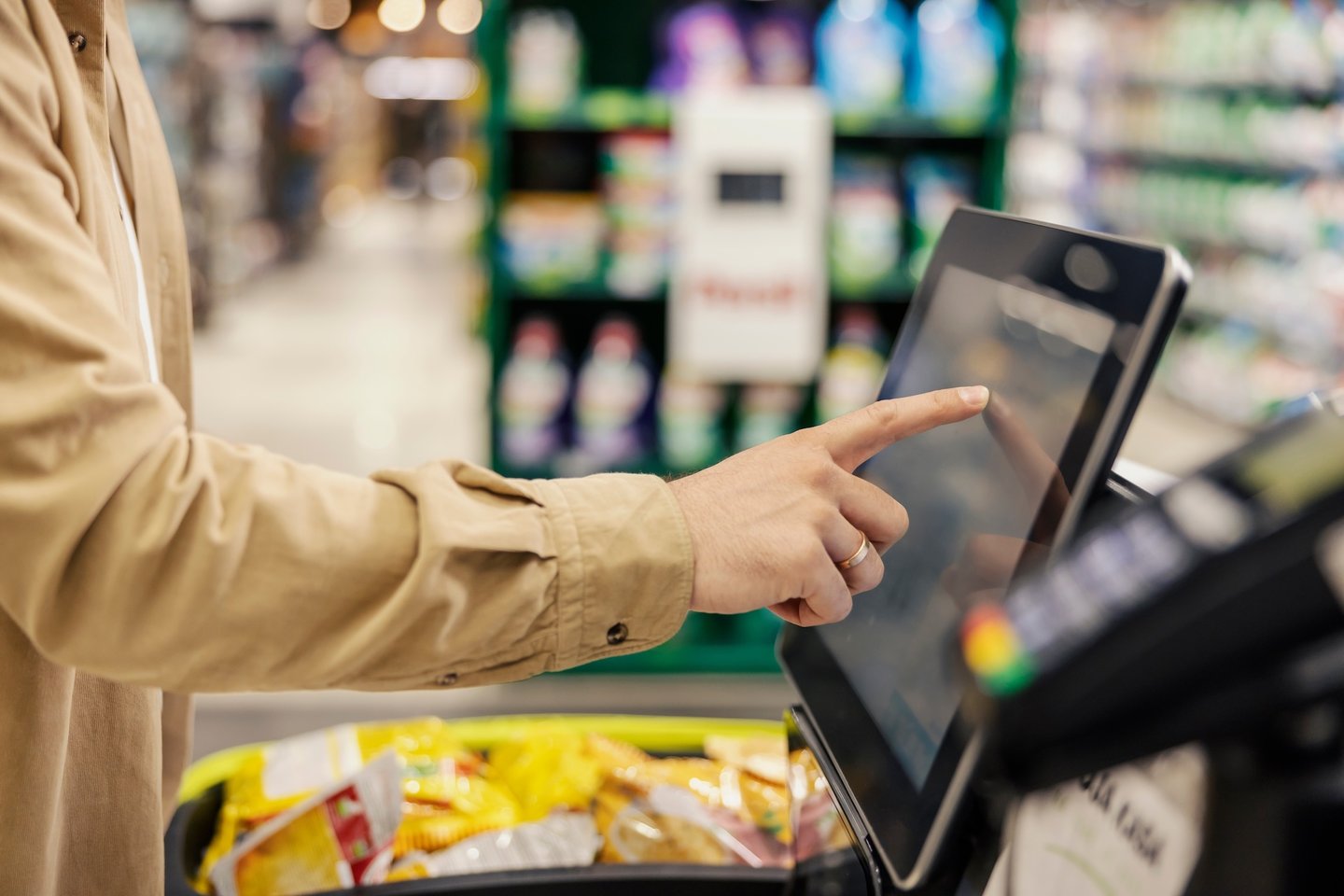
Self-checkouts were introduced as a multi-purpose solution to labour shortages, rising wage pressures and consumers’ appetite for speed. In theory, they would modernize the grocery experience while reducing operating costs. In practice, they have become a source of irritation for many Canadians—and a growing liability for retailers.
Read: Is the sun setting on self-checkout?
Our recent survey shows that more than 60% of Canadians choose self-checkout when purchasing fewer than 20 items, especially millennials and gen-X consumers. Boomers, however, remain resistant; many avoid self-checkout entirely. This behavioural split matters, because it illustrates a broader truth: technology adoption is not merely about efficiency, but about trust.
What was meant to streamline the transaction has, paradoxically, produced friction. The now-ubiquitous “wait for assistance” message has become a symbol of failure in the grocery aisle. And beyond frustration, a more worrisome trend is emerging: self-checkouts appear to be driving up theft, both accidental and intentional.
A recent LendingTree survey found that 36% of consumers admitted to unintentionally leaving with an unscanned item. Of those, 61% kept the item rather than returning to pay for it. These are not hardened shoplifters; most entered the store with every intention of paying. But embarrassment, time pressure, or the simple inability to get help turned a technological hiccup into retail loss. Fewer than 15% reported deliberately exploiting self-checkouts to steal, but the outcome is the same: shrinkage that retailers ultimately recoup through higher prices for everyone else.
The economics are now forcing a recalibration. Some grocers are scaling back their self-checkout footprint; others are reopening staffed lanes. After years of automation hype, we are witnessing a partial return to human cashiers—not out of nostalgia, but out of necessity. When shrinkage overtakes labour savings, the business case for automation collapses.
Read: Back to basics–elevating customer service
What is perhaps most striking is how little innovation grocers have introduced to improve the checkout experience. Given advances in artificial intelligence, computer vision and sensor technology, the sector should be much closer to a truly frictionless exit process. An effective model already exists. Decathlon, the French sporting-goods retailer, tags nearly all merchandise with RFID technology. Customers simply drop their items into a black bin, and the system calculates the total instantly. No barcode hunting. No rescans. No “unexpected item in the bagging area.”
If a high-volume sporting-goods chain can implement such a system, one would expect food retailers—who operate on tighter margins but process exponentially more transactions—to explore similar solutions. But innovation requires capital, and grocery operates on margins that leave little room for experimentation. That financial reality partly explains why checkout technology has stagnated.
A deeper tension also exists. Over the past decade, grocers have shifted a substantial portion of labour onto consumers without offering any incentive for doing that work. The comparison with gas stations is instructive. When Canadians began pumping their own fuel, they received a clear benefit: lower prices at self-serve pumps. In grocery, no such trade-off exists. Food prices have risen more than 27% over the past five years. Consumers are expected to scan, bag, troubleshoot errors and manage technical glitches—all while paying more.
If retailers expect consumers to perform tasks once handled by paid employees, the logical step is to reward them. Discounts, loyalty points, or dedicated “self-serve savings” lanes would acknowledge the value of the labour consumers now provide.
Self-checkouts are not going away. But the current model is unsustainable. The challenge for grocers is not merely reducing theft; it is rebuilding trust in the transaction itself. Retailers that treat checkout as a core part of the consumer experience—not just a cost-cutting device—will be better positioned in the long run.
Until then, shoppers will continue to ask a very basic economic question: If I am doing more of the work, why am I paying more for the privilege?