Four things to know about beef tallow
1. A rich history
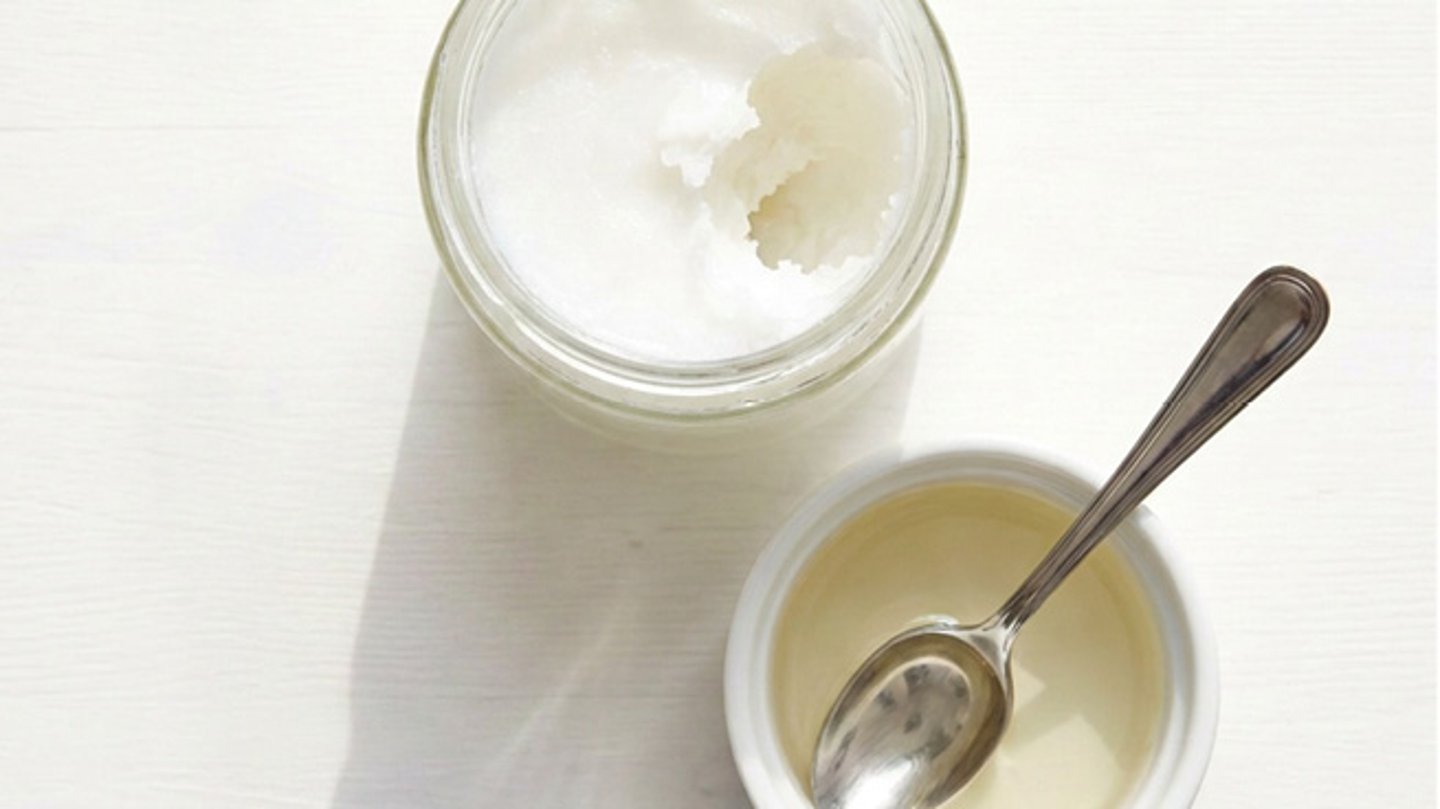
Beef tallow is a hard white or yellowish cooking fat. It’s made by removing, simmering and clarifying the fat tissue that surrounds a cow’s kidneys and loins. Reportedly used as a cooking oil as early as fourth-century Rome, it was a popular household cooking ingredient for much of the 20th century. Today, it’s used for deep-frying, roasting, as an ingredient and in non-food applications such as candles, soaps and skincare. It’s even used to coat cast-iron pans and grills.
2. Tallow takeover
As saturated fat concerns grew in the 1980s and 1990s, beef tallow fell out of favour. (Amid public pressure, McDonald’s famously switched from beef tallow to vegetable oil blends for its iconic french fries.) Despite it’s once-tarnished reputation, beef tallow is enjoying a resurgence fuelled by interest from the wellness community and evolving research suggesting moderate consumption of certain saturated fats may not be as harmful as once believed.
Whole Foods listed beef tallow among its top food trend predictions for 2026. “Tallow is being rediscovered by consumers who value ancestral ingredients and are looking for oil alternatives,” the retailer said. Also fuelling beef tallow’s rise is the movement away from heavily processed seed oils—a trend that’s gaining popularity on social media.
Healthy Planet general manager Muhammad Mohamedy says a broad demographic of customers is drawn to beef fat products in its stores, from health-conscious millennials and generation Z to people seeking clean beauty options. Earlier this year, the retailer launched a beef tallow for cooking and a whipped tallow skincare cream under its Benefits by Nature private-label line. “We saw early signals from our customers and moved quickly to build out the category,” Mohamedy explains.
3. Where’s the beef (tallow)?
Beef tallow is making its way into packaged foods with brands such as Tallow & Fries, which launched in 2024 with a line of frozen fries. Avoiding seed oils, founder and CEO Anthony Jin developed the recipe—potatoes, 100% beef tallow and a pinch of seasoning—for his family following his wife’s cancer diagnosis. Jin says when his fries launched, people weren’t aware of beef tallow as an ingredient. “But once they tried it and saw there were only three ingredients, they were on board,” he says. Tallow & Fries is now available at more than 300 stores in Ontario, including Longo’s, Sobeys, Foodland and Fortinos.
READ: What’s hot in frozen meals, premium desserts and snacks
Beef tallow is making its way back into home kitchens (and even bathrooms). B.C.-based Allfat has three cooking and four skincare SKUs, while fellow local brand SofterSkin offers whipped tallow moisturizers.
4. Looking ahead
Marc Duench, Healthy Planet category manager for health and beauty and private label, is optimistic about beef tallow, citing month-over-month sales growth. He says beef tallow customers do their homework on TikTok or Instagram before making an in-store purchase. Duench says its important for a brand’s marketing to tell a story, whether it’s through sourcing transparency, founder narratives or before-and-after skin results.
But with any food trend, especially one that takes off on social media, the question remains whether beef tallow is just a fad or here to stay. “It’s simply too early to say whether beef tallow lasts or fades,” says Innova Market Insights co-founder and president Lu Ann Williams. “I’d treat beef tallow as one to watch, not one to bet on.”
This article was first published in Canadian Grocer’s September-October 2026 issue.