
Good value is more than a good deal

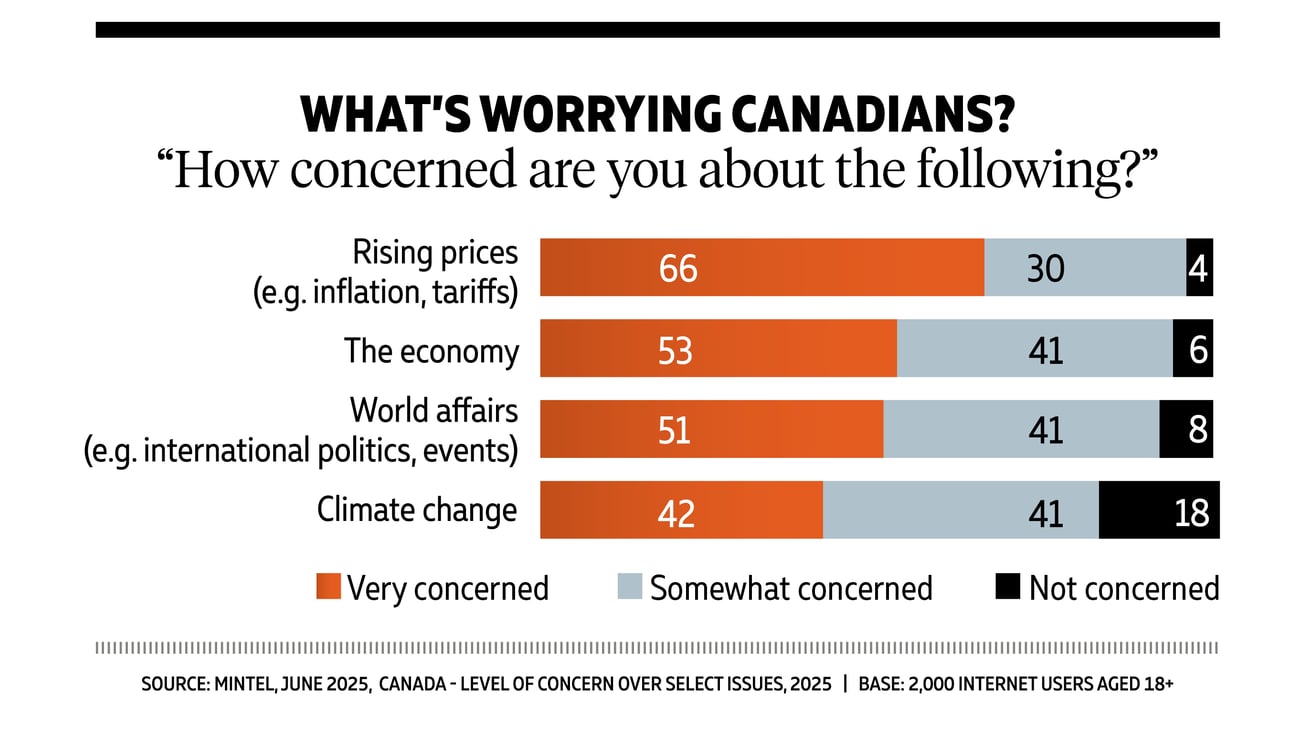
Conversations about grocery value often start with price, and understandably so. Food prices have remained elevated; budgets are under greater scrutiny and groceries are one of the expenses Canadians say are taking a larger share of their household budget compared to last year. In this environment, sharp pricing and visible savings matter. But for grocers, the bigger opportunity is to show shoppers that value is not measured by the lowest price alone.
Value is about confidence, not just cost
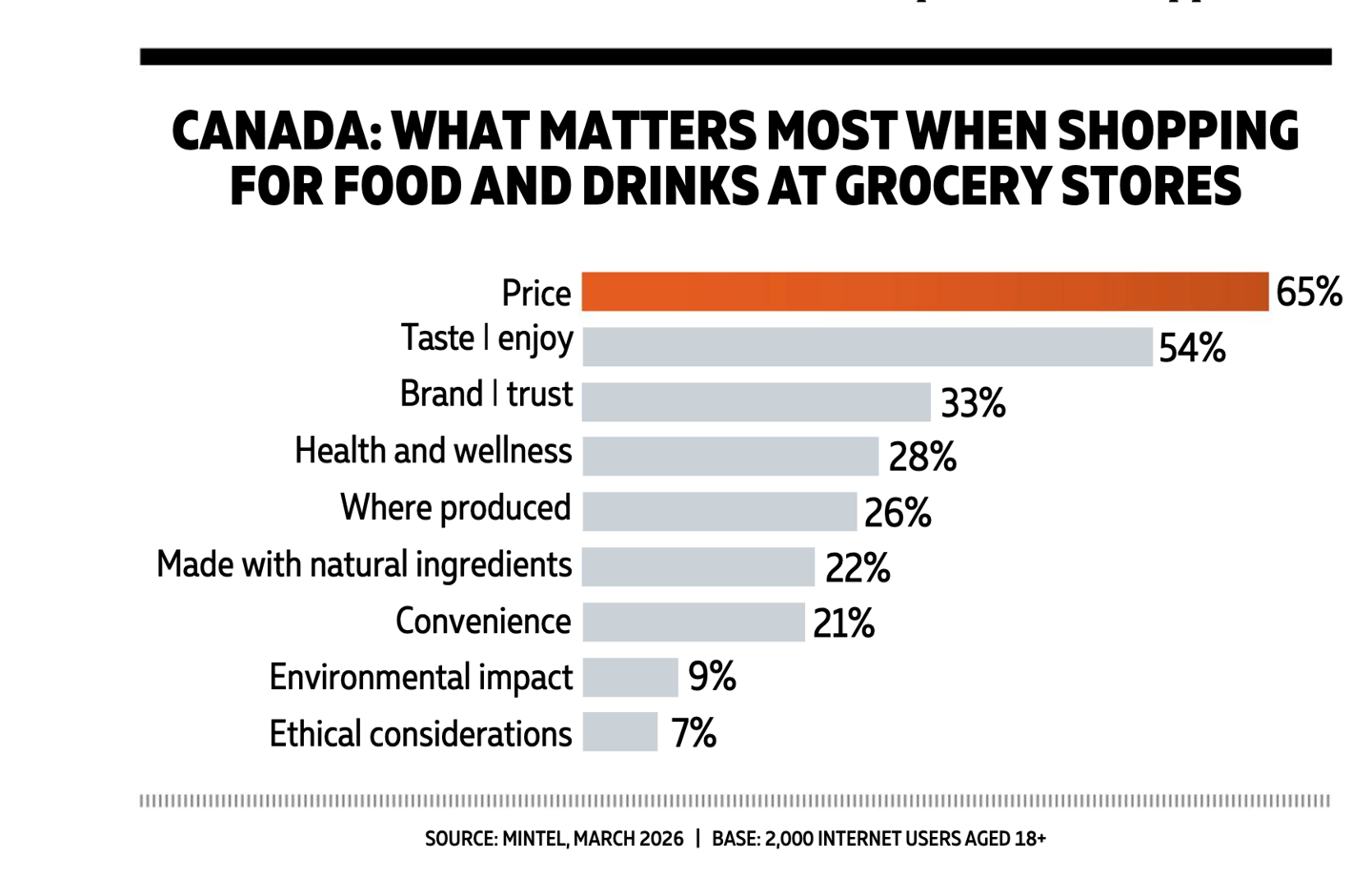
Research shows price is the leading factor shaping food and drink choices, but it is far from the only one. Taste, trusted brands, health and wellness, natural ingredients and convenience all contribute to how shoppers define value. This matters because consumers are not simply looking to spend less—they are looking to spend more confidently.
That distinction is important. A shopper who feels financially squeezed may be more selective, but that doesn’t always mean trading down. In some fresh categories, particularly produce and dairy, consumers are less willing to compromise on quality. In others, such as meat or baked goods, there may be more room to help shoppers make trade-offs without making meals feel diminished. Grocers can support these choices by being clear about where shoppers can save, where quality matters most and how different options fit into real household routines.
Meal solutions can make savings feel more practical
Cooking from scratch is strongly associated with saving money, but it also gives consumers control over nutrition, flavour and portioning. Most Canadians with meal planning responsibility prefer to plan meals around what they have at home. Grocers can build on this by promoting meal ideas that stretch staples, pair proteins with affordable sides or turn leftovers into a second meal. The value is not just the product on promotion—it is the avoided waste, reduced decision stress and greater confidence that dinner is covered.
Frictionless savings also matter. Shoppers are relying on familiar tactics such as stocking up on sale items, checking flyers, redeeming loyalty rewards and making lists. These behaviours suggest consumers want help saving without having to overhaul how they shop or cook. In this context, grocers should make savings easier to spot, easier to plan around and easier to act on, whether through personalized offers, meal bundles, store brands that communicate quality clearly or digital tools that connect promotions to practical meal solutions.
Trust and meaning can strengthen perceptions of value
Value also has an emotional and values-led dimension. Made in Canada and locally made products stand out as attributes shoppers say they are willing to pay more for, pointing to the role of trust, origin and community support in value perceptions. This doesn’t mean every shopper has unlimited flexibility, but it does show that value can be strengthened when price, quality and meaning work together.
For grocers, the challenge is to move from being seen as a place where shoppers manage costs to being a partner in making household budgets work harder. That means offering competitive prices, but also guiding consumers toward meals that are easy, efficient, enjoyable and aligned with what they care about. In what continues to be a value-conscious market, the grocers that win will be those that make shoppers feel they made the right choice, not just the cheapest one.
This article appeared in Canadian Grocer's September-October 2026 issue.