

A new chapter for plant-based food in Canada

The Canadian plant-based food market has entered a new phase. After years of rapid expansion, the story in 2026 is no longer about penetration or hype. It is now about value, relevance and alignment with real consumer behaviour. NielsenIQ (NIQ) data shows a category that is stable in reach but under pressure in value and increasingly fragmented in performance across segments.
Total sales of plant-based foods tracked by NIQ now stand at $1.23 billion in Canada. Over the last 52 weeks, the category declined by 1% in both dollars and units. This top-line view masks significant differences beneath the surface. Some plant-based categories are outperforming their parent categories, while others are declining faster than the market overall. The result is a category without a single, overarching trajectory.
A consistent signal emerging from the data is that penetration has largely stabilized. Canadian households are not abandoning plant-based foods; however, they are spending less per household and purchasing less frequently. The challenge facing manufacturers is no longer recruitment; it is value recovery among existing buyers.
Where growth still exists
Despite overall softness, pockets of growth remain, particularly within tofu and tempeh. Within the broader tofu, meat and dairy alternatives segment, tofu is the only major subcategory delivering growth. It is posting a 10% increase in dollar sales and a 5% increase in units. Tempeh, while still relatively small, is the fastest-growing segment in the space, with dollar sales up more than 30% year over year.
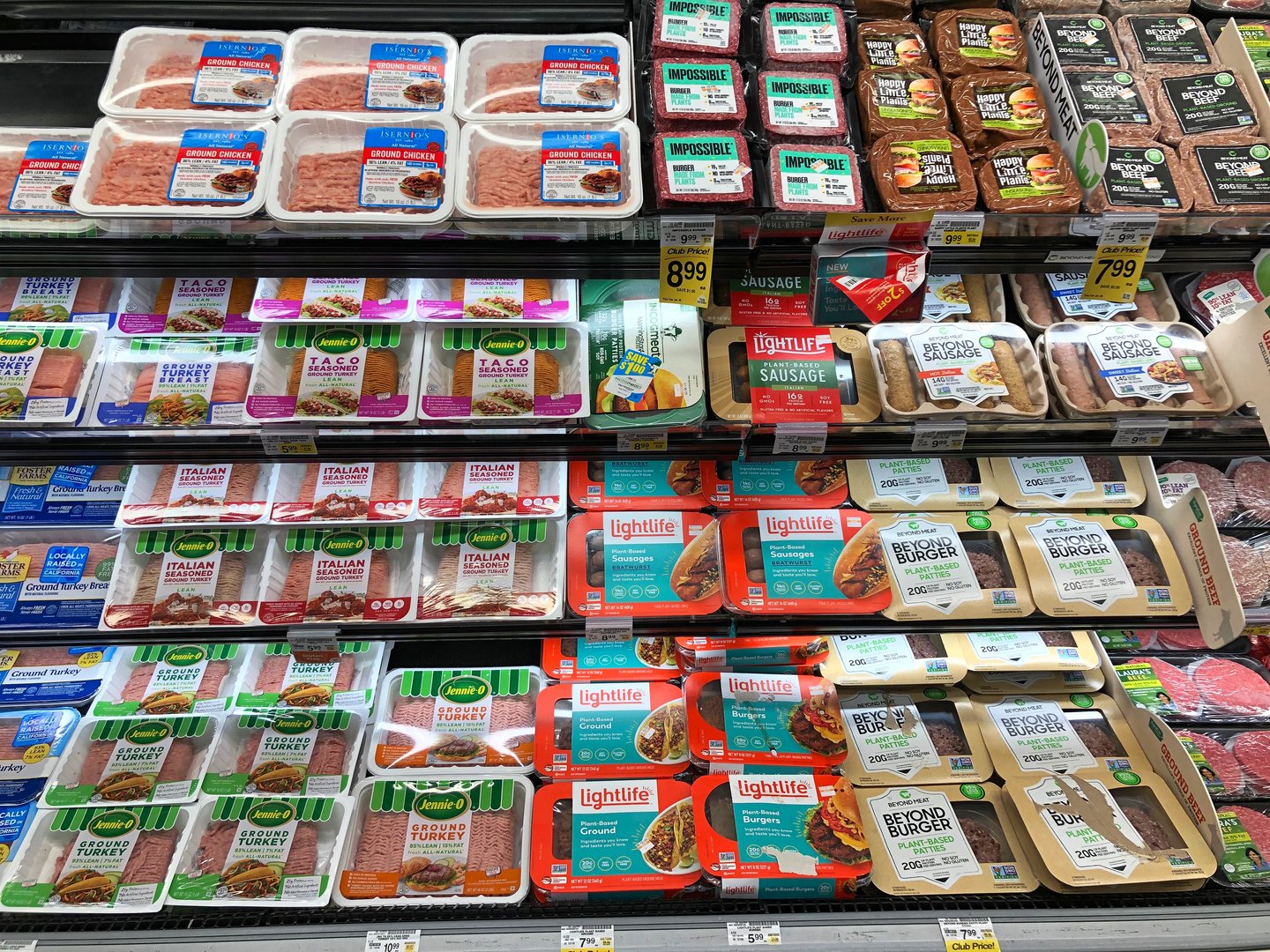
Importantly, the formats driving this growth are those tied directly to home cooking and culinary usage. These include firm tofu, extra firm tofu, crumbles and ingredients designed to be incorporated into meals. In contrast, many highly processed meat alternatives are either declining or failing to keep pace with their conventional counterparts. This divergence suggests that Canadian consumers are not rejecting plant-based foods outright; instead, they are gravitating toward products that function as flexible ingredients rather than symbolic substitutes.
Price remains a structural barrier
Price continues to be one of the most significant headwinds for plant-based foods. Across most protein comparisons, plant-based alternatives are priced well above comparable animal products. As a result, plant-based options are not perceived as the most economical source of protein in the current environment. This matters more than ever. Canadian consumers are operating with a value-driven mindset. They are actively searching for promotions and adjusting their baskets to manage budgets. In this context, price gaps shape purchase frequency, loyalty and long-term category viability.
OPINION: Canadians aren't giving up meat, but ...
Health perception is not automatic
Another insight from the NIQ data is that plant-based is not synonymous with healthy in the minds of consumers. When Canadians shop for healthier packaged foods, they prioritize claims such as reduced sugar, high protein, fibre, real ingredients and whole grains. Plant-based or vegan claims rank far lower in perceived importance. Even among health-conscious shoppers, animal-based proteins remain the dominant sources of protein intake. Plant-based options do not appear among the top protein sources for Canadians and remain secondary choices for most households. Health benefits must be explicitly demonstrated. A plant-based label alone is no longer a shortcut to health credibility.
Protein as a functional opportunity
Protein remains one of the strongest demand drivers in Canadian food habits. Four in 10 Canadians report increasing their protein intake recently, and interest in high protein foods continues to grow. Categories that deliver added or enhanced protein content are showing strong momentum. However, plant-based proteins are not the default solution. Growth opportunities lie in functional delivery such as satiety, convenience and nutritional clarity rather than in ideology. The data suggests that plant-based products succeed when they solve a specific need, not when they attempt to replace animal proteins symbolically.
READ: Beyond Meat drops the 'Meat' from its name as it pivots to plant-based drinks and snacks
Who is buying and where
The plant-based buyer profile remains distinct. Younger consumers, urban households and specific cultural communities, particularly Chinese and South Asian Canadians, continue to overindex. Quebec also plays a unique role, especially in tofu consumption. Distribution data reinforces this point. Ethnic grocery stores are a key growth channel for tofu and meat alternatives, while mainstream grocery banners dominate plant-based beverages. For today’s consumer, context, culture and cuisine matter as much as price or health claims.
An emerging headwind: GLP-1s
One emerging factor worth monitoring is the rise of GLP-1 medications. NIQ data shows 15% of Canadian households include a GLP-1 user. These households exhibit slower growth in food consumer packaged goods spending compared with non-users. This creates additional pressure for categories that depend on frequent or indulgent consumption.
What you need to know
The plant-based category in Canada is not collapsing; however, it is normalizing. Penetration is stable, the consumer base is defined and growth is no longer automatic. According to NIQ’s synthesis, future success will depend on competing on price where possible, investing in functional innovation, educating consumers on usage and focusing on retained buyers rather than assuming mass adoption. Above all, tofu and tempeh stand as proof points. When plant-based products align with real cooking habits, clear value and functional benefits, they can still grow even in a disciplined, value-driven consumer environment.
This article was first published in Canadian Grocer’s June/July 2026 issue.