
Six forces redefining Canadian grocery

Canadian shoppers are rewriting the rules of value, health and discovery—and the pace is accelerating. From tariff aftershocks to artificial intelligence (AI) assistants influencing what people buy, 2026 will reward businesses that move and adapt quickly. Below are six trends to watch this year and why each is a growth driver that demands action.
Tariffs trigger a "buy Canadian" shift
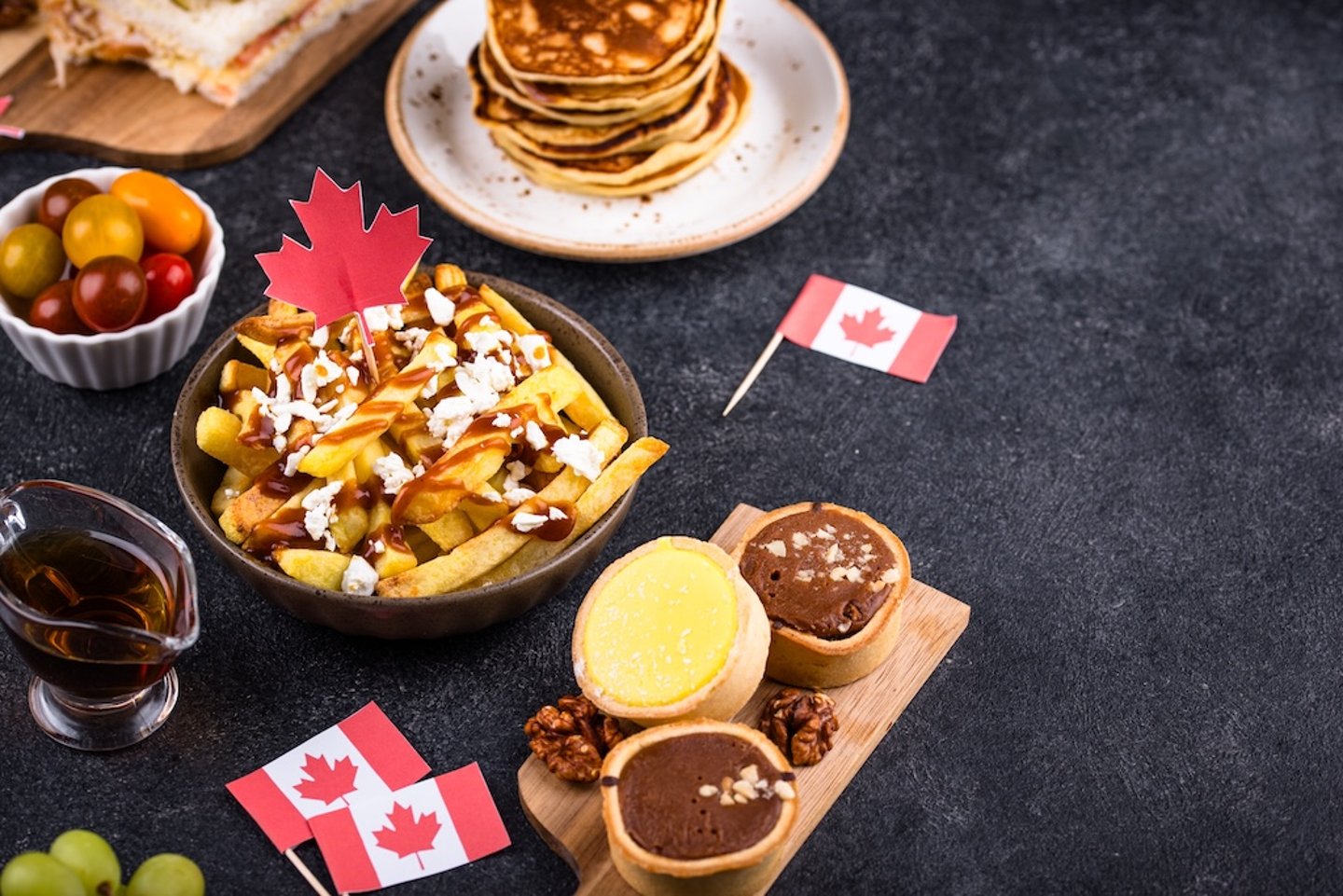
Most Canadians say tariffs negatively affect daily life, and many report shifting toward domestic products or local retailers. While the most extreme boycotts have eased, “buy Canadian when possible” behaviour has grown, and products identified as U.S.-made have seen pressure in several centre-store categories. At the same time, export risk is in focus: more than three-quarters of Canadian food and beverage exports still go south, yet there’s a diversification opportunity into markets with favourable trade access (e.g., United Kingdom, Japan, Mexico, European Union, South Korea). Retailers should lean into “made here” messaging and resilient assortments; manufacturers should model different sourcing combinations to de-risk growth.
READ: Sobeys owner Empire to remove some buy Canadian signage
Deal seekers push Canada into new value retail era
Value-seeking is now a common practice. Most Canadians increased deal hunting and cut nonessentials in 2025, and brand loyalty continues to soften as shoppers chase promotions. Canada remains among the world’s most promotionally intense CPG markets, and discount channels gained unit share across all departments as store networks expanded, while many conventional banners contracted. To protect brand equity, retailers should align pricing with consumer shopping missions, while manufacturers must balance promotions through tiered product ladders (good/better/best) without eroding brand equity.
Redefining what "healthy eating" means
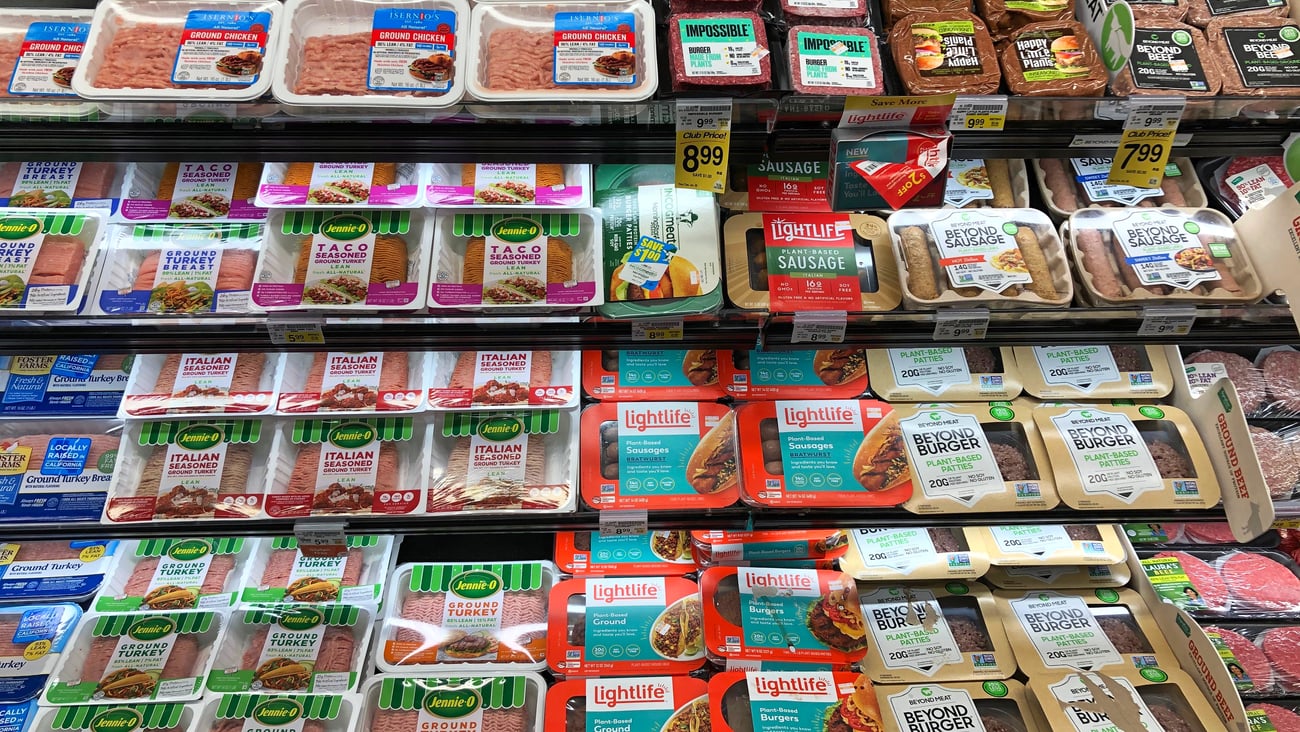
Consumers are trading into lower-cost protein sources—think eggs, tofu, beans and high-protein dairy—favouring formats that stretch across meals, reduce waste and avoid diet stigma. In 2026, fibre is likely to become the “next big thing,” driven by gut-health and clean-label trends. Expect an increase in “more fibre” and “added protein” innovations, and in unexpected categories. Retailers can build meal-solution adjacencies around budget-friendly protein and fibre; manufacturers should reformulate toward multi-benefit claims, with clear front-panel language that maps to consumers’ health needs.
New front-of-package labels become the price tag for health transparency
Many Canadians have already seen the front-of-package (FOP) nutrition symbol in stores, and nearly half say it has influenced product choice. This is especially true in sugar- and sodium-sensitive categories such as soft drinks, snacks, certain cereals and juices. Retailers should reorganize shelves to help shoppers trade within a category. Manufacturers must audit labels, streamline ingredient lists and build renovation roadmaps that align with FOP attributes.
GLP-1 users reshape food demand
Roughly one in six Canadian households reports GLP-1 use, with sustained declines in food units among long-term users. Spend will shift toward simple, higher-protein, lower-calorie, fresh and frozen options—while some higher-calorie categories will contract. Expect more products positioned as GLP-1 supportive, plus rising interest in muscle maintenance and metabolic health claims. Retailers can curate GLP-1-friendly options (meal kits, portion-controlled ready-to-eat/ ready-to-heat meals). Manufacturers should adapt pack sizes, elevate satiety and stress clean labels.
AI becomes grocery's most influential gatekeeper
Canadians widely agree that AI will personalize online shopping. AI can only deliver strategic value when it’s fuelled by high-quality, comprehensive data. NIQ’s longitudinal point-of-sale and omnishopper consumer data provides the trusted foundation AI needs to generate accurate insights, predict demand and guide smarter business decisions. With the right data powering it, AI becomes a catalyst for sharper strategies and stronger performance across the fastmoving consumer goods landscape.
Francis Parisien is senior vice-president of sales for small and medium businesses in Canada at NielsenIQ (NIQ). He specializes in navigating shifting consumer trends and an evolving marketplace.
This article was first published in Canadian Grocer’s March/April 2026 issue.