Outside the ordinary: Three trends shaping the specialty produce market
While Canadians crave foods grown close to home, there’s also a big appetite for far-flung fruits and vegetables. Whether it’s exotics such as jicama or familiar staples such as avocados, global specialty produce offers distinctive flavours and unique textures—with rich health benefits to boot.
In addition, the market is strong thanks to increased availability. “Anecdotally, we’ve seen fewer major weather events globally … So, although it may have been a very hot summer, it was still a very fruitful season for a lot of regions, both in Canada and abroad,” says Greg Palmer, vice-president, trade and market development at the Canadian Produce Marketing Association (CPMA). He adds that Canada is an attractive market for exporters, as the country has few tariffs and high produce consumption.
Against this bountiful backdrop, a few key trends are shaping the specialty and exotic produce market.
Health hype: Many exotic fruits and vegetables are nutritional powerhouses. Tropical items such as acai berries, for example, are rich in heart-helping antioxidants, while jackfruit’s high-fibre content is great for gut health.
“Health and wellness continue to shape produce choices, particularly around functional benefits,” says Mari Loewen, who heads up marketing and culinary innovations for Summerhill Market in Toronto. Among global specialty items, avocados remain popular for their healthy fats, she notes. “We’re also seeing growing interest in turmeric, citrus, ginger and pomegranates for their immune-boosting and anti-inflammatory benefits.”
Digging deeper into organics: trends and consumer demand
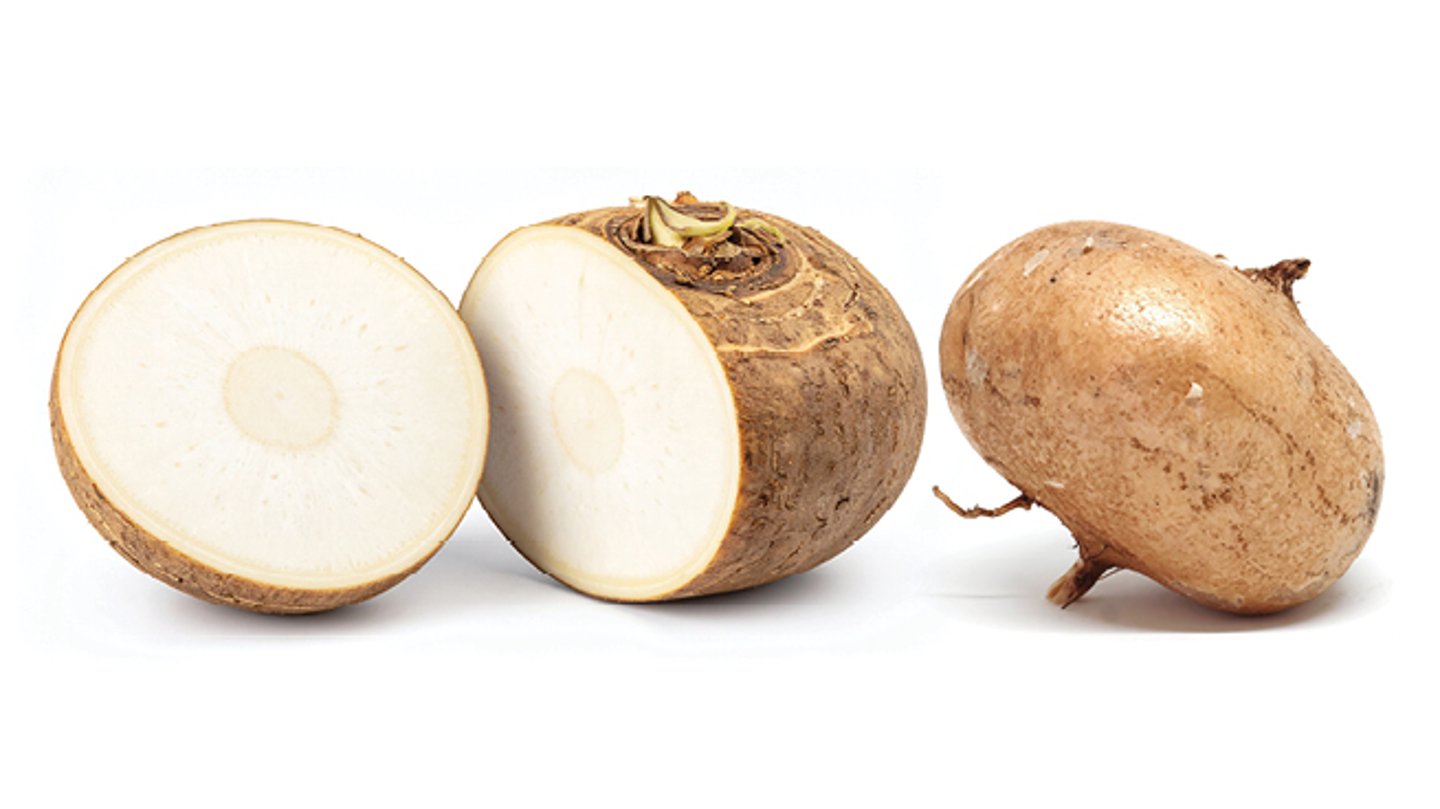
Kris Kasuya, sales manager at Bondi Produce, sees big potential for jicama—a root vegetable from Mexico that’s packed with vitamin C, antioxidants and inulin, a prebiotic fibre. “It has so many health benefits and it’s an underutilized item because a lot of people just expect it to be in Mexican cuisine,” he says, adding that jicama is a versatile product that can be eaten raw, fermented or pickled. “I see a lot of momentum towards products that have strong cultural roots outside of North America and also have huge health benefits that people aren’t necessarily familiar with.”
Experiences for the epicurious: Social media is bringing the world of exotic fruits and vegetables into more consumers’ kitchens. “Viral recipe videos, chef-style plating content and global street food recreations on Instagram and TikTok are influencing what people cook—and what they buy,” says Loewen.
Kasuya also sees “old-timey” specialty items such as escarole, puntarelle, quince and artichokes making a comeback. “People are starting to buy products that aren’t necessarily out of the norm, but [were] a dying breed,” he says. While not many people know how to prepare artichokes, for example, “I’m seeing a lot of the younger generation use raw artichokes again and not buy precut, processed, marinated artichokes, which I think is amazing,” says Kasuya.
CPMA’s Palmer points out that Canada’s changing demographics are influencing what people buy and how they cook at home. “Exotics that were historically seen as extremely niche and had a small market are growing at a rapid rate,” he says. These include bok choy, gai lan, shishito peppers, jackfruit and more. “We’re seeing more Canadians of all demographics trying them out, cooking with them and getting more epicurious.”
Treat yourself: While consumers’ pocketbooks are tightening, there’s still a place for premium produce. At Summerhill Market, specialty berries and imported citrus are popular options, offering standout flavour, texture and visual appeal, says Loewen. “Customers are prioritizing quality over quantity, choosing fewer, better ingredients that turn a meal into an experience.”
Bondi’s Kasuya agrees the trend is driven by quality, as well as compelling origin stories, seasonality and nostalgia. Consumers may have experienced that product in their travels abroad and try to replicate it at home, he explains.
For a true luxury experience, Kasuya is seeing interest in items flown in overnight such as papayas and mangoes. This allows the fruit to ripen longer on the tree, rather than being transported by boat for four to six weeks. “It may not be for everyday use, but it is a very special product and you can taste and feel the difference,” he says.
This article was first published in Canadian Grocer's February 2026 issue.