
Thanksgiving turkey gets cheaper, side dishes grow more costly
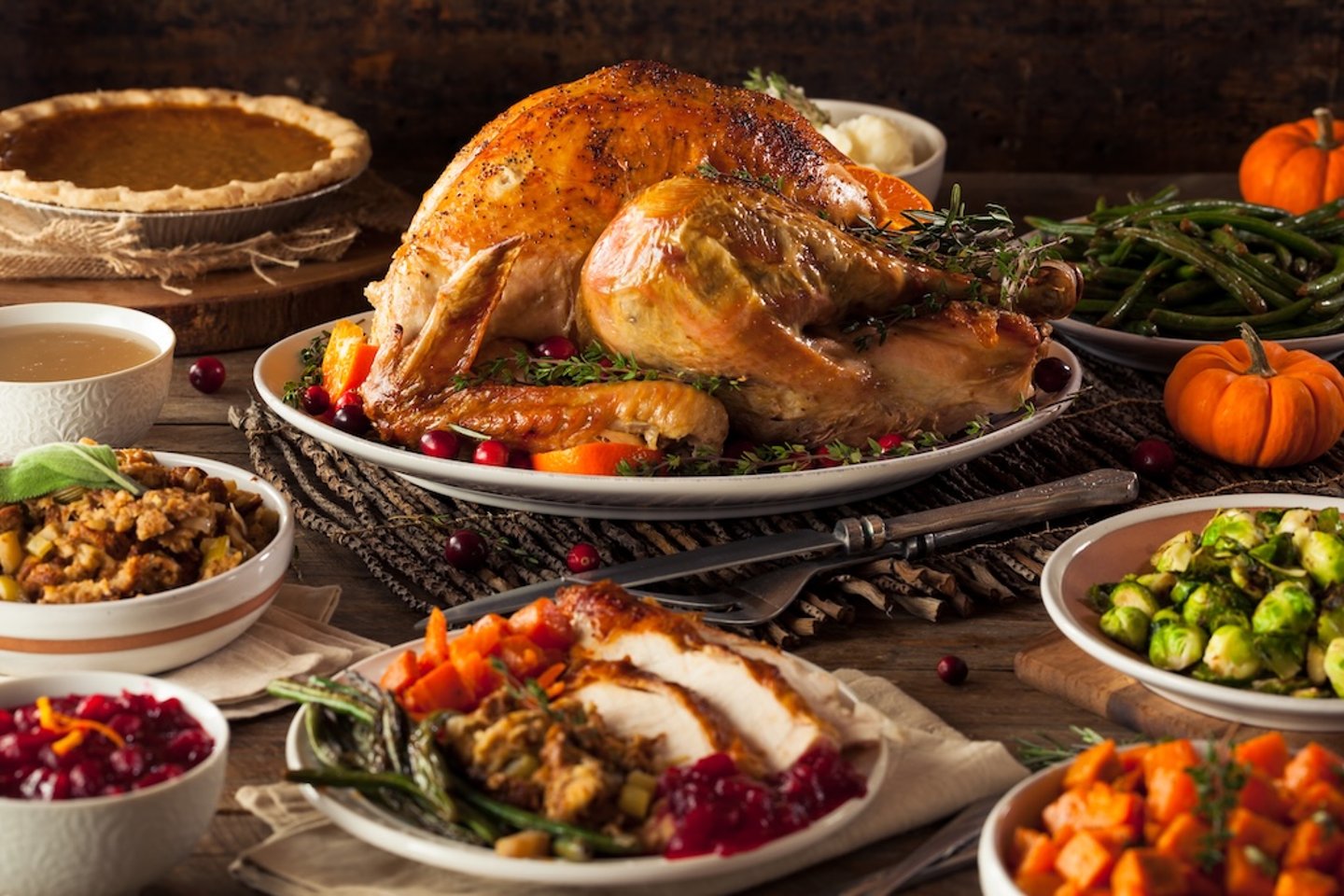
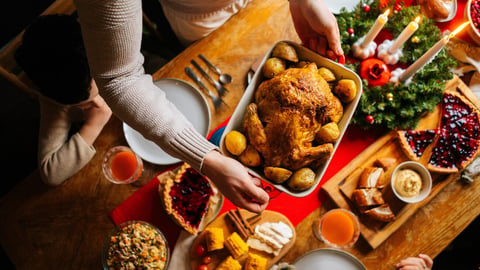
Every October, millions of Canadian families gather around the Thanksgiving table to share turkey, potatoes, and pumpkin pie. Beyond being a cherished tradition, this annual meal has also become a window into the state of our food economy. At the Agri-Food Analytics Lab, we publish a yearly cost analysis of a typical Thanksgiving dinner for four, drawing on thousands of retail data points from across the country. The results for 2025 are in, and they tell a story of stability, with subtle but important shifts beneath the surface.
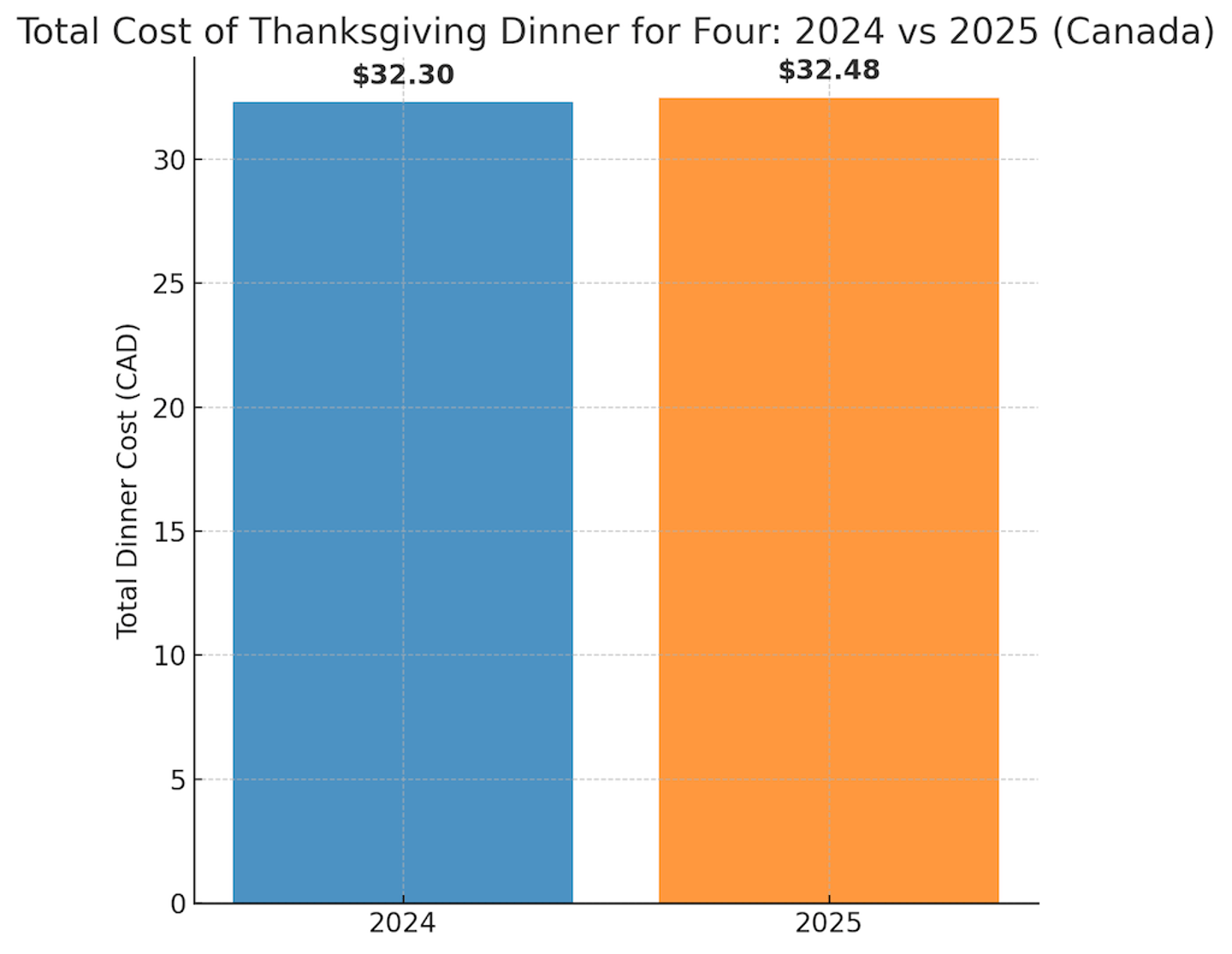
This year, the cost of preparing a Thanksgiving dinner for four is $32.48, compared with $32.30 in 2024. That’s an increase of just 18 cents, or less than 1%. In an era where Canadians have grown accustomed to headline-grabbing spikes in grocery bills, a flat holiday meal cost comes as a relief. But the apparent calm hides some notable changes in how the dollars break down. The turkey, the centrepiece of any Thanksgiving dinner, is cheaper this year. A 7-pound frozen bird costs $10.43, down from $11.69 in 2024. Carrots, another staple, have seen a sharp decline—nearly half the price compared to last year, at just $0.91 per pound.
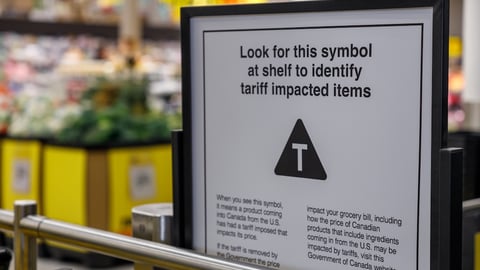
READ: Counter-tariffs at the checkout: Canada’s self-inflicted food bill
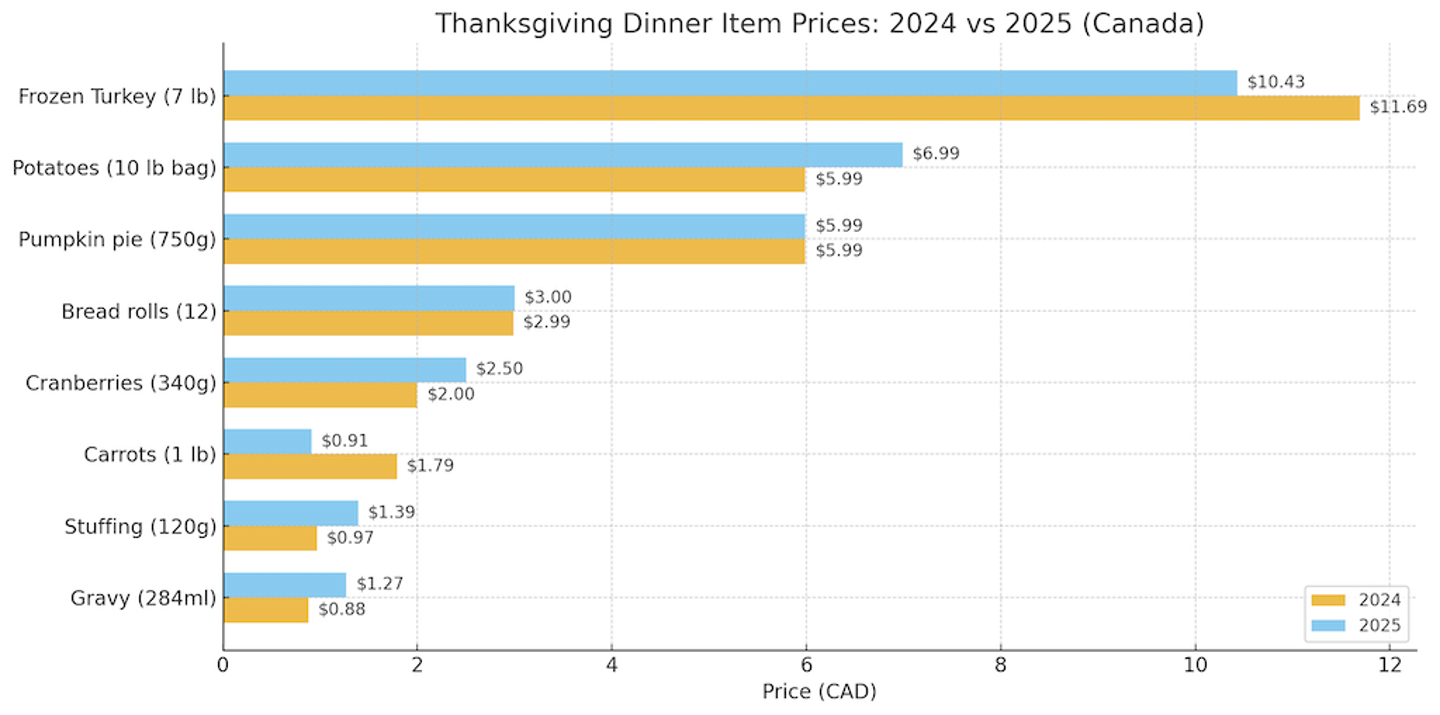
These declines are the good news. The bad news comes from the side dishes. A 10-pound bag of potatoes, indispensable for mashed or roasted accompaniments, has jumped from $5.99 to $6.99, one of the largest increases in our basket. Cranberries, stuffing and gravy have also crept up noticeably, with gravy rising by nearly 45 per cent. Bread rolls edged higher, though only by a penny. The pumpkin pie, at $5.99, has remained unchanged. This tug-of-war between declining turkey prices and rising sides left the overall basket flat. But the story is less about the bottom line and more about where the increases are happening.
Our analysis draws from more than 10,000 flyer data points nationwide, making this the most comprehensive snapshot to date. The methodology is important: we measure advertised flyer prices, not in-store spot checks. This ensures comparability across years and regions. Still, the numbers represent a benchmark rather than a guarantee. A shopper in Halifax may find different deals than one in Calgary, depending on the banner, the timing, and regional supply. That said, the national average tells us something valuable. Food inflation, at least for this symbolic meal, has paused. For Canadians still reeling from higher rents, energy costs, and mortgage payments, that pause is meaningful. It suggests that food inflation is no longer the runaway train it was in 2022 and 2023, though it hasn’t disappeared altogether.
Thanksgiving dinner is more than just a meal—it is a reflection of household economics. A relatively stable cost reassures families that traditions remain within reach. But the shifting composition of the basket reminds us that consumers need to stay agile. A family willing to prepare cranberry sauce from fresh berries, or gravy from scratch, may find both savings and higher quality. Similarly, the drop in carrot prices offers an opportunity to bulk up meals with affordable, nutritious sides. In this sense, the Thanksgiving table becomes a lesson in adaptation. Canadian households, facing a high cost-of-living environment, are learning to pivot: swap canned for fresh, lean on discounted proteins, and adjust menus based on what’s most affordable.
While 2025’s Thanksgiving dinner costs are stable, we should not grow complacent. Agricultural markets remain vulnerable to shocks—from extreme weather to geopolitical disruptions. Tariff disputes, energy volatility, and labour shortages in food processing all lurk in the background. For now, Canadians can celebrate that one of their most cherished meals has not become markedly more expensive. But vigilance is required, both from policymakers and households, to maintain this balance.
The Thanksgiving dinner table is a microcosm of our broader food system. This year, it reflects both relief and caution: relief that the cost has barely budged, and caution that the composition of costs is changing in ways that matter. As we gather to give thanks, we should also take note. The economics of our holiday meals are not just about calories and taste, but about supply chains, trade policy and retail strategy. In the end, every plate tells a story—and in 2025, that story is one of stability in uncertain times.