
When you know skimpflation has gone too far
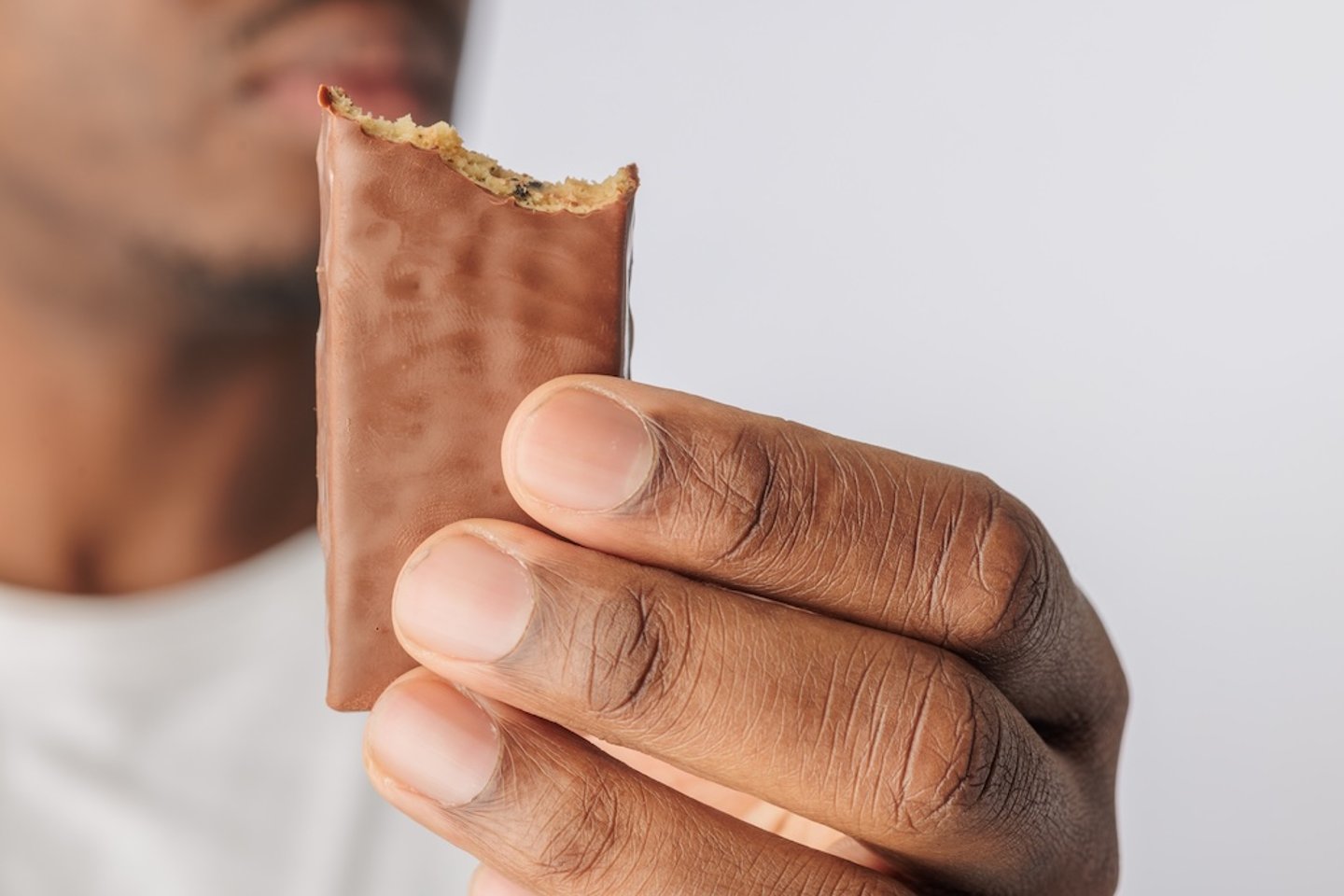
The grandson of the inventor of the Reese’s Peanut Butter Cup, Brad Reese, has publicly criticized The Hershey Company for allegedly changing the formulation and reducing the quality of the iconic product over time. Hershey’s has firmly denied altering its flagship cups, insisting they still contain roasted peanuts and milk chocolate, just as they always have.
Brad Reese’s concerns appear to focus less on the classic two-cup package and more on product extensions — seasonal shapes, limited editions and newer SKUs that may use compound coatings or peanut-butter-style crème instead of traditional ingredients. In other words, the core product may be intact, but the brand ecosystem surrounding it has evolved.
From a business standpoint, these adjustments are not surprising. Cocoa prices have surged to historic highs, input volatility remains significant and CPG companies face relentless margin pressure. Reformulation flexibility in secondary SKUs offers a way to manage costs without officially “changing” the flagship product.
READ: Hershey and other chocolate makers hike prices as cocoa remains near record highs
But consumers are noticing.
Many have observed that portions feel smaller, textures different, flavours subtly altered. Whether real or perceived, the experience has changed for some. This is where shrinkflation (reducing size while maintaining price) and skimpflation (replacing premium ingredients with cheaper substitutes) enter the conversation. These are not new strategies — they have been used for decades across the food industry. What is new is the amplification effect of social media. Consumers now compare notes in real time and brand loyalty is increasingly conditional.
READ: Why Ottawa keeps treating food inflation like a PR problem: Opinion
Hershey’s may well be telling the truth about the classic Reese’s cup. However, when peripheral products evolve in ways that consumers interpret as dilution, the brand equity built over generations can erode. That appears to be what concerns Brad Reese — not merely formulation changes, but the safeguarding of a legacy.
Iconic brands rely heavily on nostalgia and trust. If consumers begin questioning whether they are paying a premium for something subtly downgraded, the value proposition weakens. In an inflationary environment where private labels are improving in quality, that becomes a real competitive risk.
READ: Nostalgia and novelty fuelling changes in Canadian consumer tastes
Brad Reese’s message seems genuine and personal — rooted in family pride. But it also signals something broader. When even the descendants of brand founders question product integrity, it suggests that shrinkflation and skimpflation may be approaching their limits.
At some point, companies will need to find alternatives to cost-management strategies that rely on reducing quantity or quality. Because once nostalgia fades, trust becomes the only currency that matters.