
Why you can’t bomb your way out of a logistical bottleneck

When officials from the United States and Iran walked away from negotiations in Pakistan this weekend with no deal on the Strait of Hormuz, markets didn’t wait for clarity. They reacted. The subsequent announcement by United States Central Command of a naval blockade targeting Iranian ports was meant to reassure. Instead, it raised more questions than answers.
Markets, as they often do, may be reading this correctly.
The Strait of Hormuz is not just another geopolitical hotspot. It is one of the most critical arteries of the global economy. Roughly 20% of the world’s oil and close to 30% of globally traded fertilizers pass through that narrow corridor. When flows are threatened, the consequences extend far beyond energy markets. They move quickly into agriculture, food production, and ultimately, the prices Canadians pay at the grocery store.
Oil prices are now back above $100 USD per barrel, but the real story began months ago. Markets started pricing in Middle East risks early in the year. In the food economy, there is typically a six- to nine-month lag between energy shocks and retail food prices. That means the inflationary pressure we are beginning to feel today was already set in motion weeks ago.
For Canadian consumers, it is already too late to avoid it.
READ: Dollarama to only pass on price increases from war where 'absolutely necessary'
The first signs are now emerging across the food system. Transport companies, facing extraordinary volatility, are reintroducing fuel surcharges and adjusting contracts upward. Suppliers are hedging aggressively. These costs do not stay within the supply chain—they get passed along.
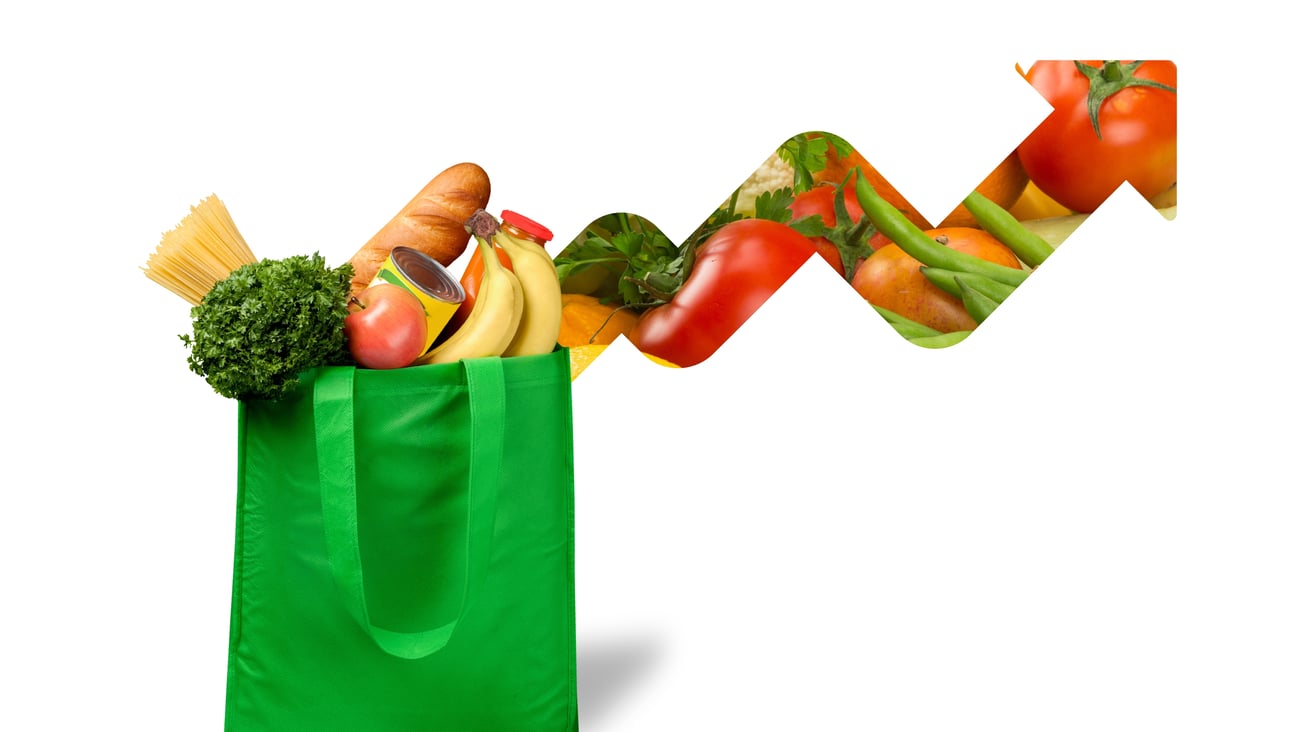
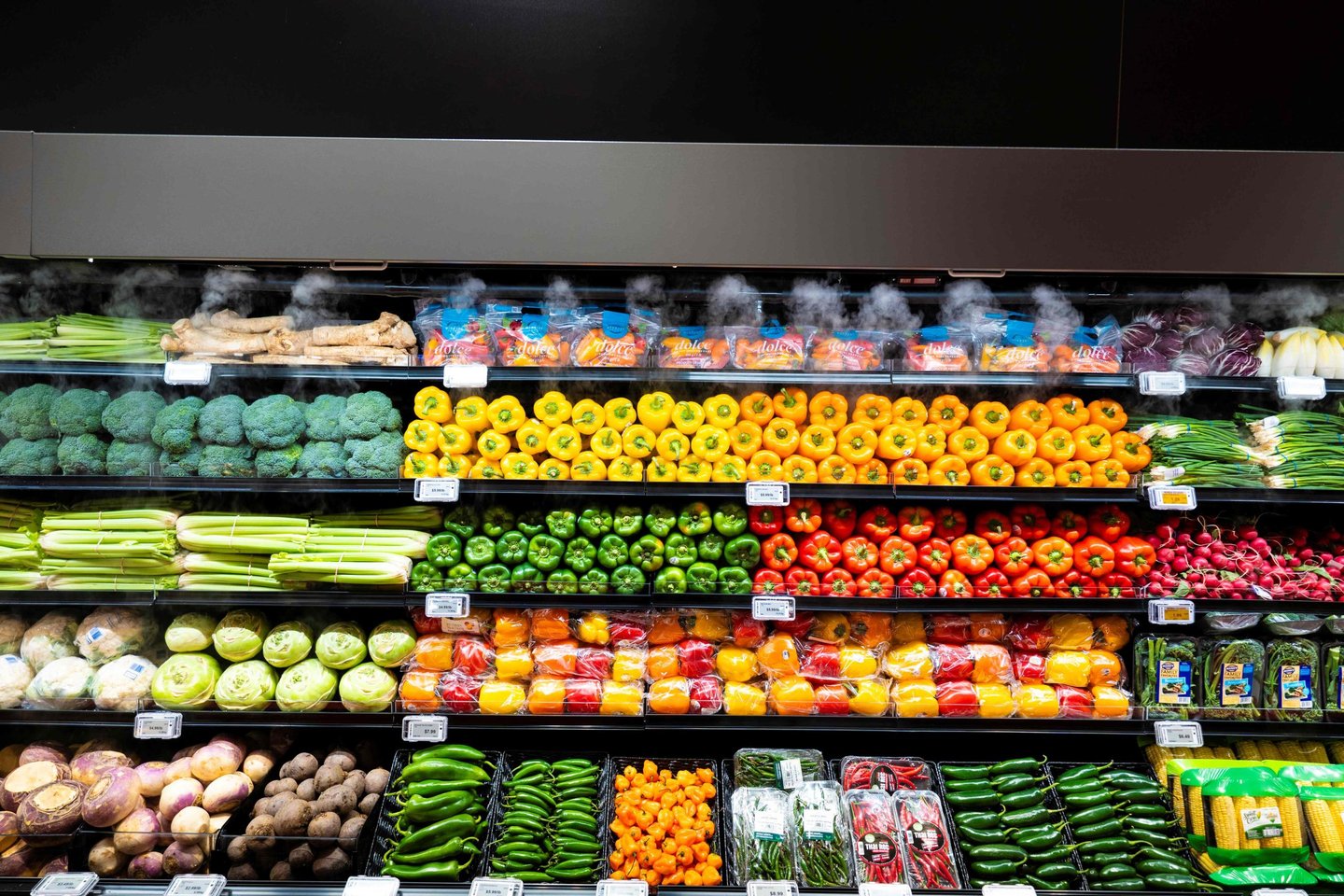
Fresh produce will be among the first categories to reflect this shift. Fruits and vegetables rely heavily on long-distance, temperature-controlled transport, making them highly sensitive to fuel costs. Canadians should expect price increases in the range of 5% to 15% over the coming months, particularly for imported items. Meat and seafood will follow. These products are energy-intensive at every stage—from feed production to processing and refrigeration—and are likely to rise by 5% to 10%, with beef leading the way.
Dairy products will also move higher, though more gradually, as rising energy costs affect processing and distribution. Increases of 4% to 8% are likely over the next few quarters. Even staples like bread and cereals will not be spared. Fertilizer markets, closely tied to energy flows through the Strait of Hormuz, will push grain production costs higher, resulting in price increases of 3% to 6%. Processed foods, exposed to energy at multiple stages, will also climb steadily.
These are not isolated adjustments. They reflect a broader reality. Historically, a sustained rise in oil prices adds between one and three percentage points to food inflation in Canada. Under current conditions, grocery inflation could easily climb back toward 6% to 8%. For households, that translates into real money. Every sustained 25% increase in oil prices typically adds $150 to $200 annually to the average grocery bill. With oil already surging, the total impact could be several hundred dollars per family.
What makes this situation particularly troubling is not just the scale of the risk, but the apparent lack of preparedness. The idea that a naval blockade can secure maritime flows through the Strait of Hormuz reflects a misunderstanding of how global logistics actually work. You cannot force stability in a corridor that depends on cooperation and predictability. You cannot bomb your way out of a bottleneck.
And yet, here we are.
The absence of a credible strategy to safeguard one of the world’s most vital trade routes is now translating into higher costs for consumers thousands of kilometres away. In Canada, where food affordability is already under pressure, this is a reminder of how exposed our system truly is.
READ: Consumers set to pay the price as soaring fuel costs hit shipping industry
This is how geopolitics becomes grocery bills.
Over the coming months, Canadians will notice gradual but persistent increases across multiple categories. It will start with produce, move into meat and dairy, and eventually affect staples and packaged goods. The changes may appear modest at first, but they will accumulate.
Food will still be available. That’s not the issue.
It will simply cost more—again.
And this time, the source of the shock isn’t a pandemic or a domestic supply chain failure. It’s a narrow stretch of water half a world away—and the realization that no one had a real plan to protect it.