Discount grocery a ‘long-term shift:’ Loblaw CEO

Loblaw Companies chief executive Per Bank is betting on discount grocery’s long-term potential.
The food and pharmacy retailer, which operates No Frills and Quebec's Maxi, has been steadily growing its discount footprint over the past several years. And Bank said the strategy is paying off.
“We are confident that consumer preference for discount is a long term shift,” he said on the company’s second quarter earnings call Thursday (July 30).
Loblaw opened 14 stores in the quarter. Seven of those were discount supermarkets.
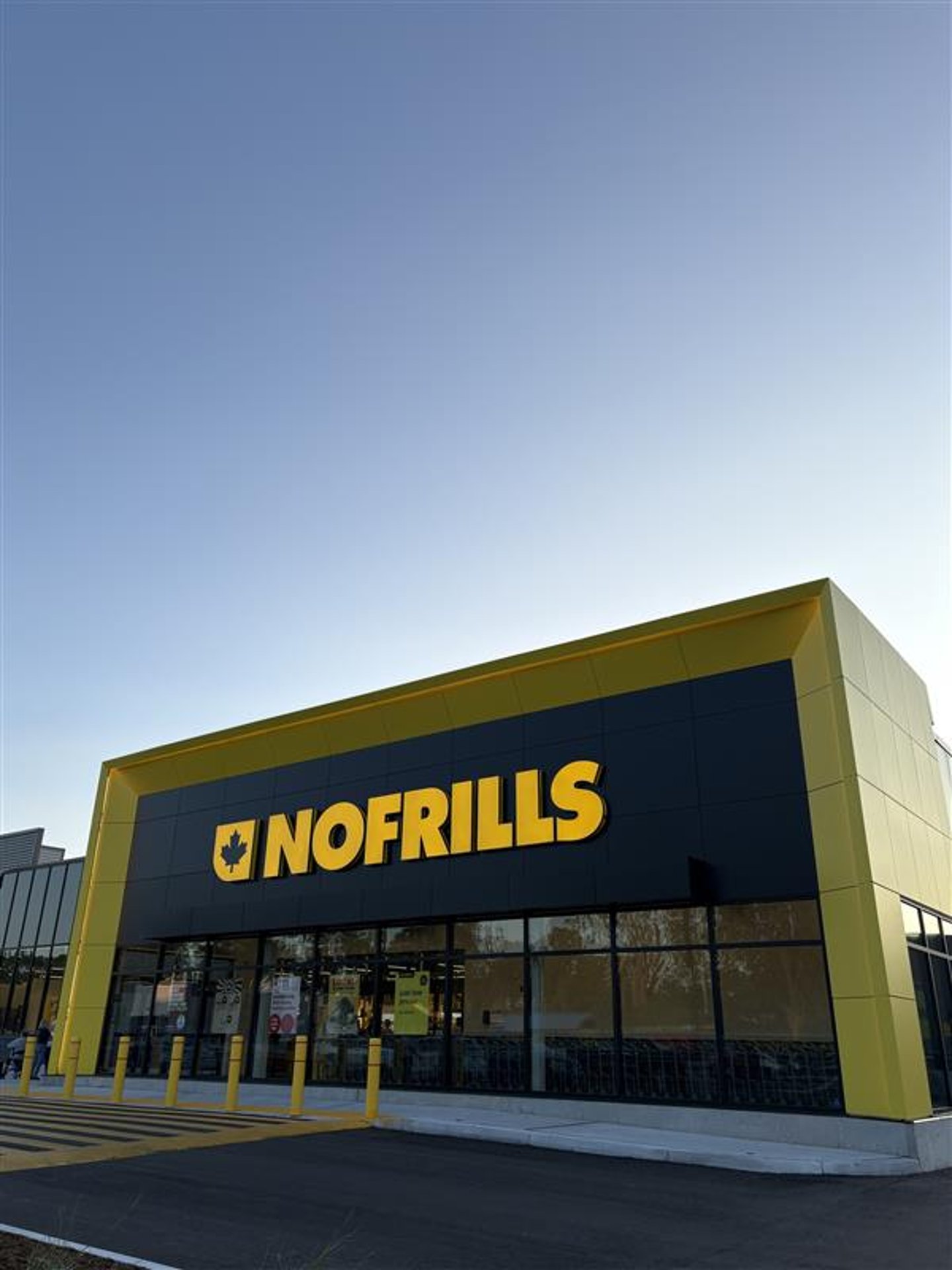
In June, No Frills opened its 200th store in Ontario. Bank said Loblaw is looking to open discount stores in underserved markets.
“Our momentum on investing in this area and the differentiation of our Maxi and No Frills banners position us very well for continual growth,” Bank said.
Bank credits discount’s growth to customers’ continued search for value. He said Loblaw’s customers are turning to promotions and the company's private label brands as a way of stretching their grocery budgets.
“We are applying more value both to our discount stores and conventional banners,” he told analysts.
READ: No Frills opens stores in Ontario and Saskatchewan
Chief financial officer Richard Dufresne said Loblaw’s discount banners “continued to outperform” in Q2, posting comparable sales close to 4%.
“We continue to gain share in our discount, and we are outperforming our peers in conventional,” Dufresne said, pointing to Fortinos and T&T as two of its well-performing traditional grocery banners.
Executives said the company is on track to open 75 stores this year and anticipate opening around the same number of stores in its fiscal 2027.
“The pace will be stable. We won't be accelerating nor decelerating,” Dufresne said.
Loblaw Companies reported net earnings of $751 million for its second quarter, an increase of $37 million from last year.
Retail sales increased by 4.1% to $15.05 billion for the period ended June 20.
Food retail same-store sales were up 1.6%, which Loblaw attributed to higher customer traffic, basket size and e-commerce sales growth. E-commerce sales increased by 19.3%.
Drug retail same-store sales grew 4.6%. Dufresne said, on a same-store basis, prescription volumes increased by 3.4%.
“Specialty prescription growth continues to lead our pharmacy performance. Within this category, we are beginning to see the impact of GLP-1 drugs going generic. It's still very early, but the initial indications are encouraging," he said.
Dufresne said Loblaw expects GLP-1 sales to grow in the double digits next year, in dollars.
More Q2 highlights
Read on for more insights shared by Loblaw Companies CEO Per Bank on the company’s second quarter earnings call.
Customers buying more frozen vegetables
“It’s more than 500 basis points growth in the frozen veg in our discount banners... Customers who shop there are trying to mitigate inflation."
Expanding domestic supply
“Our merchants, sourcing teams and suppliers work together to balance delivering affordable products for Canadians while growing our domestic supply chain network. We continue to onboard new Canadian suppliers, invest in local production and help smaller businesses scale alongside us. I'm incredibly proud that more than 70% of the food we buy is sourced from or prepared in Canada, and we're always looking for opportunities to increase that number where it benefits our customers.”
Pushing back on cost increase requests
“We continue to see suppliers come to cost increases, and our approach remains disciplined. We carefully assess every proposal and only accept increases that are supported by the underlying cost. As a result, we have successfully pushed back more than ever on unjustified cost increases requests, saving hundreds of millions of dollars for our customers.”