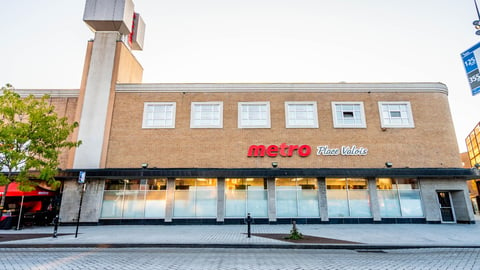
Metro ‘ready to compete’ as it recovers from Quebec strike

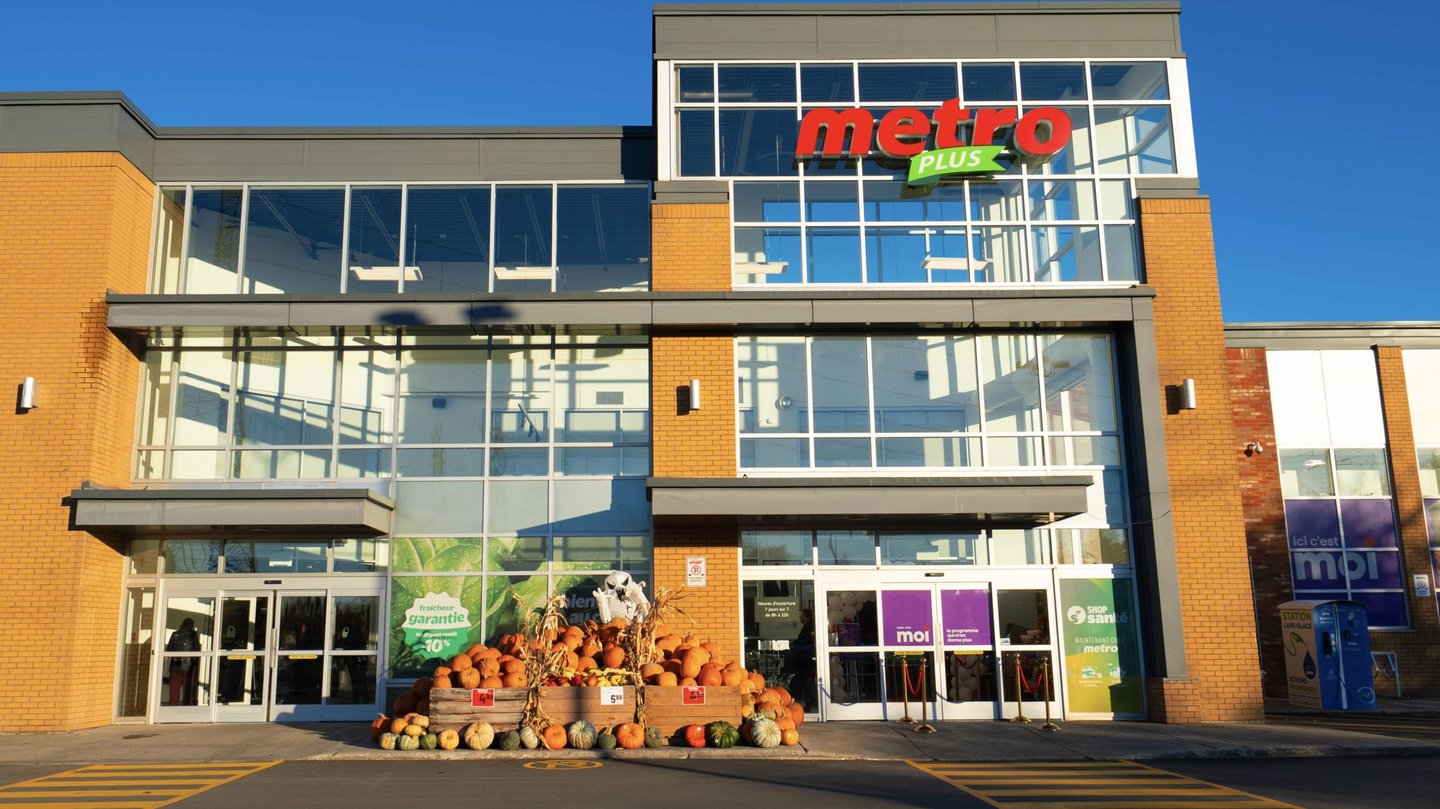
Food and pharmacy retailer Metro Inc. is steadily restoring its operations after a months-long strike in Quebec.
“We couldn't compete as we usually do. We had our hands tied behind our backs a bit, so we did lose some share during the strike,” Marc Giroux, president and CEO, said on the company’s fourth quarter earnings call Wednesday (Nov. 18).
“The focus now is rebuilding customer traffic and rebuilding confidence in customers around our produce department and our business.”
Unionized employees at Metro Inc.’s produce distribution centre in Laval, Que. and transportation and head office ratified a new collective agreement on Sept. 24, putting an end to the strike that began in March.
The company estimates lost profit and direct cost impact of the six-month labour conflict at its produce distribution centre in Laval, Que. to be $31 million for the quarter and $97 million after-tax for the fiscal year.
“Our contingency plan ensured continuity, but certainly affected the business. It created a lot of turbulence and affected freshness and assortment in-store and our ability to compete,” Giroux said.
Workers returned to the job on Sept. 27, the first day of Metro’s fiscal 2027. Giroux said Metro’s distribution centre was back to pre-strike quality, assortment and productivity within four weeks.
“We're ready to compete and ready to serve our customers,” he told analysts.
Giroux says bringing customers back to its banners—which include Metro and its discount supermarket chain Food Basics—is about executing on fresh and delivering value.
“You have to pick up fresh produce to build confidence, and that's our focus. We're starting to see improved customer satisfaction,” he said.
Giroux said Metro has its own internal data on how customers changed their purchasing behaviour during the strike.
“The teams are deploying strategies across loyalty, personalization, promotions… directed at correcting those changes,” he said.
Metro reported net earnings of $201.9 million in its fourth quarter, down from $217 million last year.
Sales came to $5.18 billion, up 1.4% year-over-year.
Food same-store sales were impacted by the strike, declining 1.9%. Giroux said food same-store sales remain negative into the first quarter of fiscal 2027 with signs of improvement.
Pharmacy same-store sales rose 5.5%, supported by a 6.5% growth in prescription sales—driven by organic growth, specialty drugs, and GLP-1s—and 3.1% growth in front-store sales, driven by OTC medication, cosmetics and seasonal products.
“Not chasing square footage”
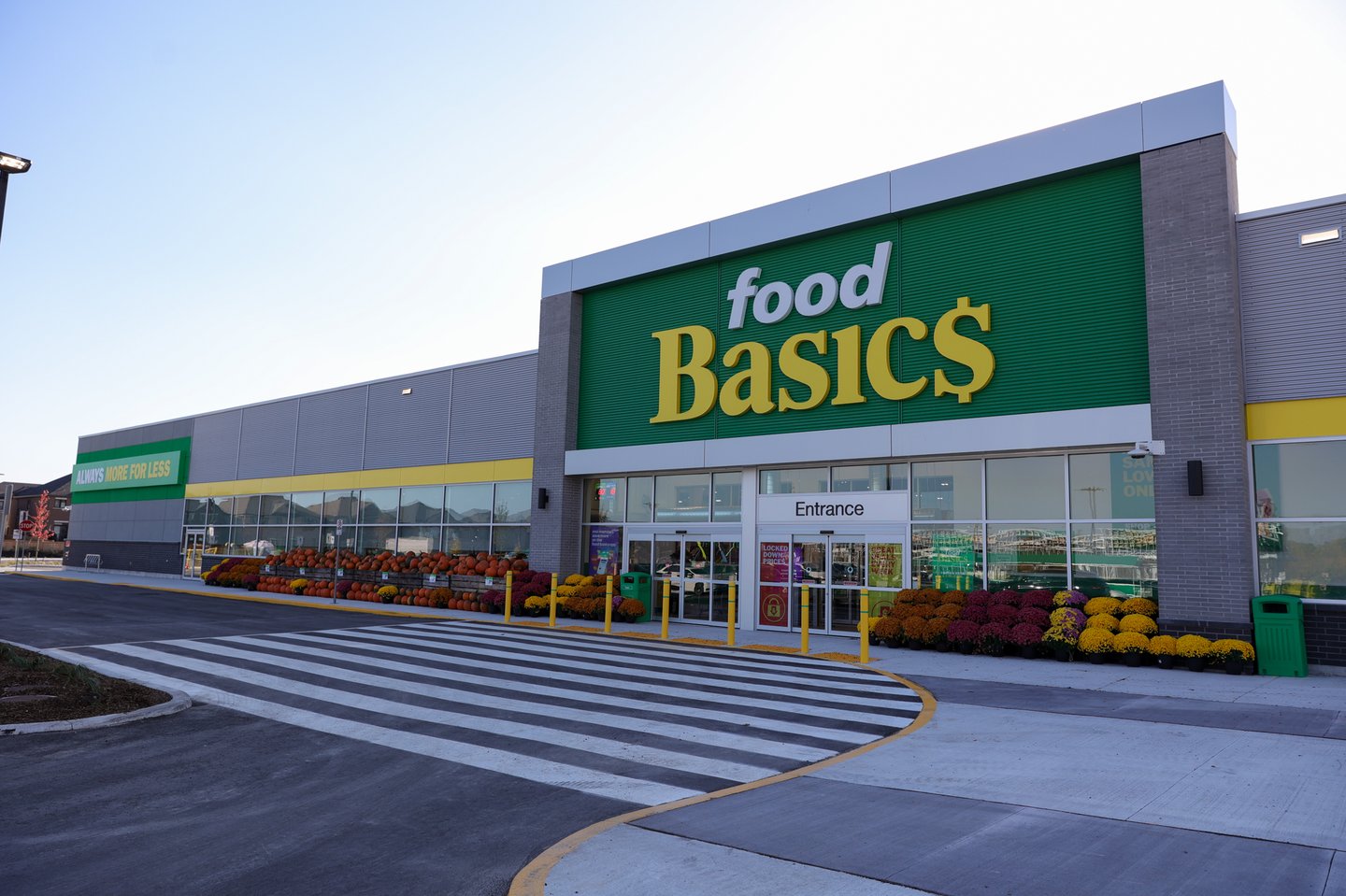
Metro opened four discount stores in its fourth quarter, including one conversion. Metro said its fourth quarter sales were positively impacted by new store openings.
In fiscal 2026, the company opened 14 stores, including 13 discount stores. Three of those were conversions.
It also relocated two stores, closed one store and carried out expansions and renovations across 11 locations.
READ: Food Basics accelerates expansion with dual store opening
“We'll continue to invest market by market, and continue to grow share with new and converted stores in a disciplined way. We're not chasing square footage,” Giroux said. “We're really chasing market opportunities where we can add square footage or convert to make sure that we have the right format in the right market.”
Metro completed the first of 10 planned Metro to Food Basics conversions in the fourth quarter, with the remaining nine planned for fiscal 2027.
It is also planning to open seven new discount stores in the coming year, bringing the total to an expected 16 additional stores next year. On the pharmacy side, Metro plans to open three stores and complete 31 renovation projects, including 13 pharmacies.
Giroux said consumers remain value-oriented.
“It manifests through increased participation and promotion, growth in private label, greater growth in discount than conventional,” he said. “Certainly, with fuel costs increasing and pressures on the cost of living, consumers are continuing to be value centric.”
Looking ahead
Giroux, who recently stepped into the role of president and chief executive following the retirement of Eric La Flèche, provided some insights on Metro's plans for 2027.
He said the company will continue to grow its store network, expanding discount and differentiating its conventional banners through “product quality, innovation and great service.”
The company also plans to grow its pharmacy business.
“Our position in Quebec is strong. Demographic trends are favorable, and we see new opportunities as pharmacists take on an expanded role in patient care. Pharmacy remains a strong growth engine for Metro,” Giroux said.
He said the company is also focused on strengthening its e-commerce and digital capabilities, in addition to driving productivity across the business.
“My first priority now is restoring momentum in our food business,” he said. “Beyond that… I've been in the business for 17 years. I was the chief operating officer for the last four, and I've participated with Eric and the team at building the strategic plan we have in place. So, continuity, I would say, is the right word. I believe in the strategic plan that we have in place.”