
OPINION: The sustainable seafood opportunity for Canada’s grocery industry
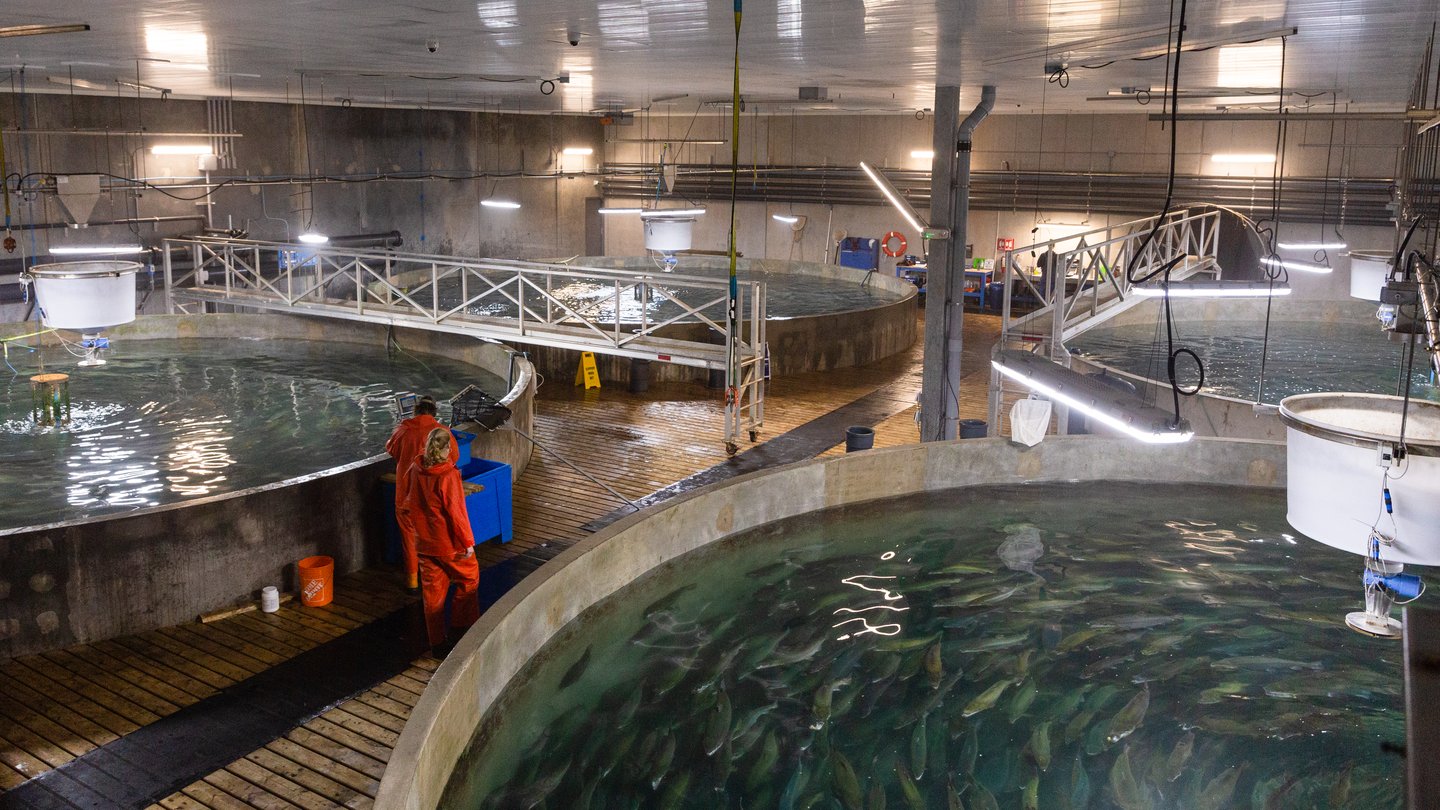
Few food categories spark as much debate as seafood, and within seafood, few topics generate stronger opinions than aquaculture.
Aquaculture—the process of cultivating animals and plants in aquatic environments—is already a fundamental part of the global food system. Today, more than half the seafood consumed worldwide comes from aquaculture.
The question facing the seafood industry is not whether aquaculture belongs in our food system but rather how retailers, producers, governments, and consumers can work together to support the forms of aquaculture that deliver the strongest environmental outcomes.
Canadians want seafood that is good for their families and good for the ocean. Meeting that expectation will require innovation and collaboration across the entire seafood value chain. In the last decade, many aquaculture producers have invested in improved feeds, stronger containment systems, better fish health management, and third-party certifications.
READ: Fresh seafood is finding new occasions with Canadian consumers
A closer look at sustainable aquaculture
Like agriculture on land, aquaculture exists on a spectrum.
Well-managed aquaculture can improve seafood sustainability and reduce pressure on some wild fisheries, but its benefits depend on the species farmed, feed sources used and the strength of environmental and fisheries management.
Scientific research consistently shows that farmed shellfish and seaweed are among the most environmentally efficient food production systems in the world. Unlike most forms of agriculture and animal protein production, mussels, oysters, clams, scallops and seaweed require little to no feed, freshwater, fertilizer or land, while also providing ecosystem benefits such as water filtration, nutrient removal and habitat enhancement.
On Canada's East and West Coasts, farmed mussels and oysters are produced without feed, fertilizer or freshwater. As they grow, oysters and mussels filter seawater naturally, while seaweed farms absorb nutrients from the surrounding environment, illustrating how some forms of aquaculture can produce food while delivering environmental benefits.
Other emerging methods, such as Integrated Multi-Trophic Aquaculture (IMTA), combine multiple species within the same production system, creating efficiencies that mimic natural ecosystems and reduce waste. Similarly, land-based and closed-containment Recirculating Aquaculture Systems (RAS)—used by aquafarms like Sustainable Blue, a Nova Scotia-based salmon producer—reuse and treat water within a controlled environment, reducing interactions with the surrounding ecosystem and limiting the risk of escapes, disease transfer and environmental impacts. Ocean Wise recommends products from RAS operations for all species currently assessed, except for eels.
At the same time, aquaculture can present environmental challenges that require careful management, ongoing innovation and accountability. Like agriculture, some farming practices are more sustainable than others. For example, escaped farmed fish can interact with wild populations by competing for habitat or interbreeding with wild stocks. Incidents such as the 2017 escape of more than 250,000 Atlantic salmon from a Washington State farm highlighted these risks and the importance of robust containment measures. Strong monitoring programs, improved infrastructure and closed-containment technologies can reduce the likelihood of such events.
Consumers often encounter a simplified narrative that describes seafood as either wild or farmed, sustainable or unsustainable. For some consumers, farmed seafood raises legitimate concerns about environmental impacts, particularly in British Columbia where open-net pen salmon farming has been the subject of extensive public discussion and regulatory review. These concerns deserve attention. However, the reality is far more nuanced.
Some wild fisheries are managed exceptionally well while others face significant sustainability challenges. The same can be said for aquaculture. For retailers, this presents both a challenge and an opportunity.

The retailer opportunity
Canadian grocery stores serve as the connection point between seafood producers and millions of consumers. Through sourcing decisions, product assortment and customer education, retailers can shape demand for seafood produced with lower environmental impacts.
At Sobeys, sustainable sourcing practices support the company's commitment to building more resilient food systems, expanding access to responsibly sourced products, and providing information so that customers can make informed purchasing decisions. As a company with Nova Scotia roots, Sobeys is dedicated to seafood sourcing practices that are responsible, traceable and sustainable for generations to come. Initiatives such as Sobeys Catch of the Month campaign highlight responsibly sourced options throughout the year; the National Seafood Month campaign in October educates customers while featuring a wide assortment and variety of sustainably sourced seafood.
READ: How fresh departments can deliver on ethical sourcing and transparency
Partnerships between retailers and independent science-based organizations like Ocean Wise can also help simplify seafood sustainability for consumers.
The question is no longer whether seafood is wild or farmed. The more meaningful measure of sustainability is how responsibly it is produced, sourced and continuously improved. If we want a healthy ocean and a secure food future, collaboration across the seafood industry is essential.
Dr. Dalal Al-Abdulrazzak is vice-president of Conservation Programs at Ocean Wise, where she leads initiatives focused on sustainable seafood, whale conservation, plastic pollution and ocean restoration. Joshua Goodman is head of corporate sustainability at Sobeys. He leads the company's sustainability efforts across its national grocery network, focusing on responsible sourcing, supply chain resilience, and helping Canadians access more sustainable food choices