Supply management and the cost of milk dumping

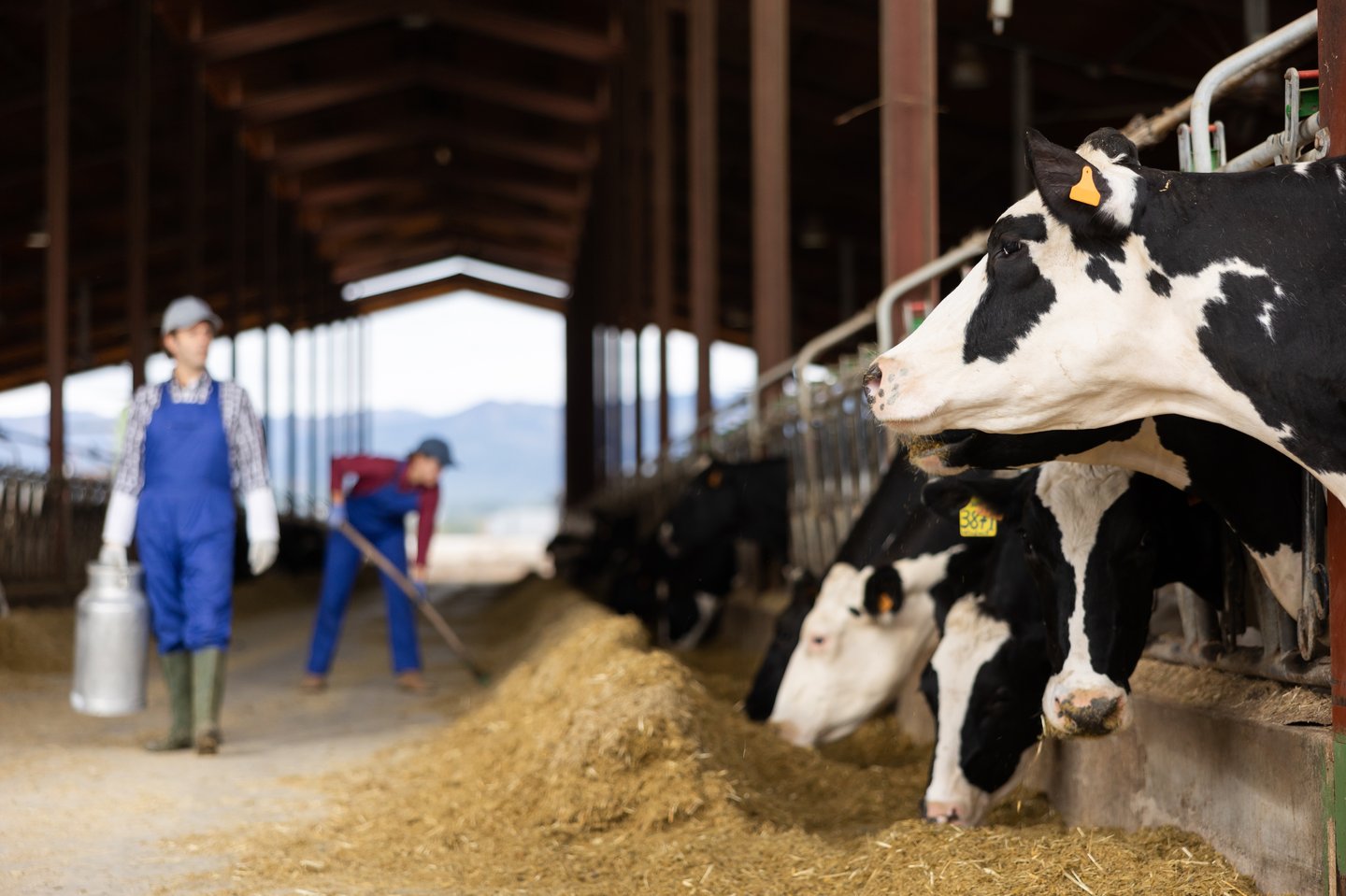
In November 2025, Dairy Farmers of Ontario disposed of 4.9% of the province’s milk supply. The figure comes from Milk Producer magazine, an industry publication read largely by dairy farmers themselves. Most Ontarians will never see it, and that is precisely the problem.
That 4.9% represents roughly 10.2 million litres of milk poured away in a single month. This amounts to approximately $18 million in lost retail value. The butterfat contained in that milk alone was worth roughly $10 million at retail. All of it was destroyed quietly, without public scrutiny, at a time when food banks across the province are reporting record demand and dairy products remain among the most expensive staples in the grocery cart.
OPINION: The numbers no longer add up for Canadian dairy farmers
Even this figure likely understates the true scale of the issue. Ontario is one of the very few provinces that reports milk disposal in any form. Most provinces provide no systematic disclosure at all. And even in Ontario, the terminology used is revealing. The industry avoids words such as “dumping,” “discardment” or “waste.” Instead, it refers to the practice as “skimming,” a technical euphemism that makes a deeply uncomfortable reality sound routine and inconsequential. The outcome, however, is unchanged.
When questioned, dairy boards often argue that milk disposal is inevitable. Demand fluctuates, processing capacity is constrained and surplus milk, they claim, cannot be used. Some level of loss, therefore, is presented as unavoidable. This narrative has been repeated for decades and has largely gone unchallenged.
It is deeply flawed.
Milk dumping is not an act of nature. It is the predictable result of policy design. Canada’s dairy sector operates under supply management, characterized by rigid production controls and some of the most expensive quotas in the world. For dairy farmers, quota is their most valuable asset, often worth millions of dollars. Unlike most other agricultural commodities, production cannot adjust gradually to short-term changes in demand. When the system overshoots, excess supply has nowhere to go.
Ironically, this is where supply management should demonstrate its greatest strength. Unlike the United States, Canada exercises centralized control over dairy production. In theory, this should allow policymakers to optimize resource use, smooth volatility and significantly reduce waste at the farm level. In practice, the system has normalized the destruction of perfectly edible food while prices remain high for consumers.
READ: Grocers say they're being squeezed by Manitoba milk-price freeze
Dumping millions of litres of milk, while food prices stay elevated, is not a technical necessity. It is a policy choice—one that contributes to tighter supply and helps keep dairy prices artificially high, penalizing consumers both at the grocery store and in restaurants.
There are realistic alternatives that could substantially reduce milk dumping without dismantling supply management.
- Allowing limited raw-milk sales for informed consumers, with clear risk disclosure, would create a modest outlet for surplus milk.
- More flexible quota-adjustment mechanisms could replace blunt monthly cuts that often miss real demand conditions.
- Expanded processing capacity for butter, cheese and milk powder could absorb temporary surpluses.
- Temporary, non-subsidized export channels for dairy ingredients could be activated when excess emerges.
- Improved real-time demand forecasting, using retail and food-service data, could help prevent overproduction before it occurs.
None of these measures require abandoning supply management. They require modernizing it.
Canadians are frequently told that supply management exists to ensure stability, fairness and predictability for both farmers and consumers. That social license erodes every time food is destroyed under government-sanctioned quotas while households struggle to afford basic groceries and food banks run short of donations.
If Canada is serious about food affordability, sustainability and food security, it must stop treating milk dumping as inevitable. It is not. It is a choice—and one that deserves far more public scrutiny than it has received so far.