
From TikTok to the till: Making the protein surge work in-store

Cottage cheese chips. Tuna dip. The sardine diet. Peanut butter powder and Greek yogurt.
Layered on top of these trending, online recipes are the rise of “girl dinner” and “boy kibble”—social media shorthand for simple, high-protein plates built from just a few ingredients. What looks casual is often deliberate: easy, protein-forward eating framed as smart, efficient and health-aspirational.
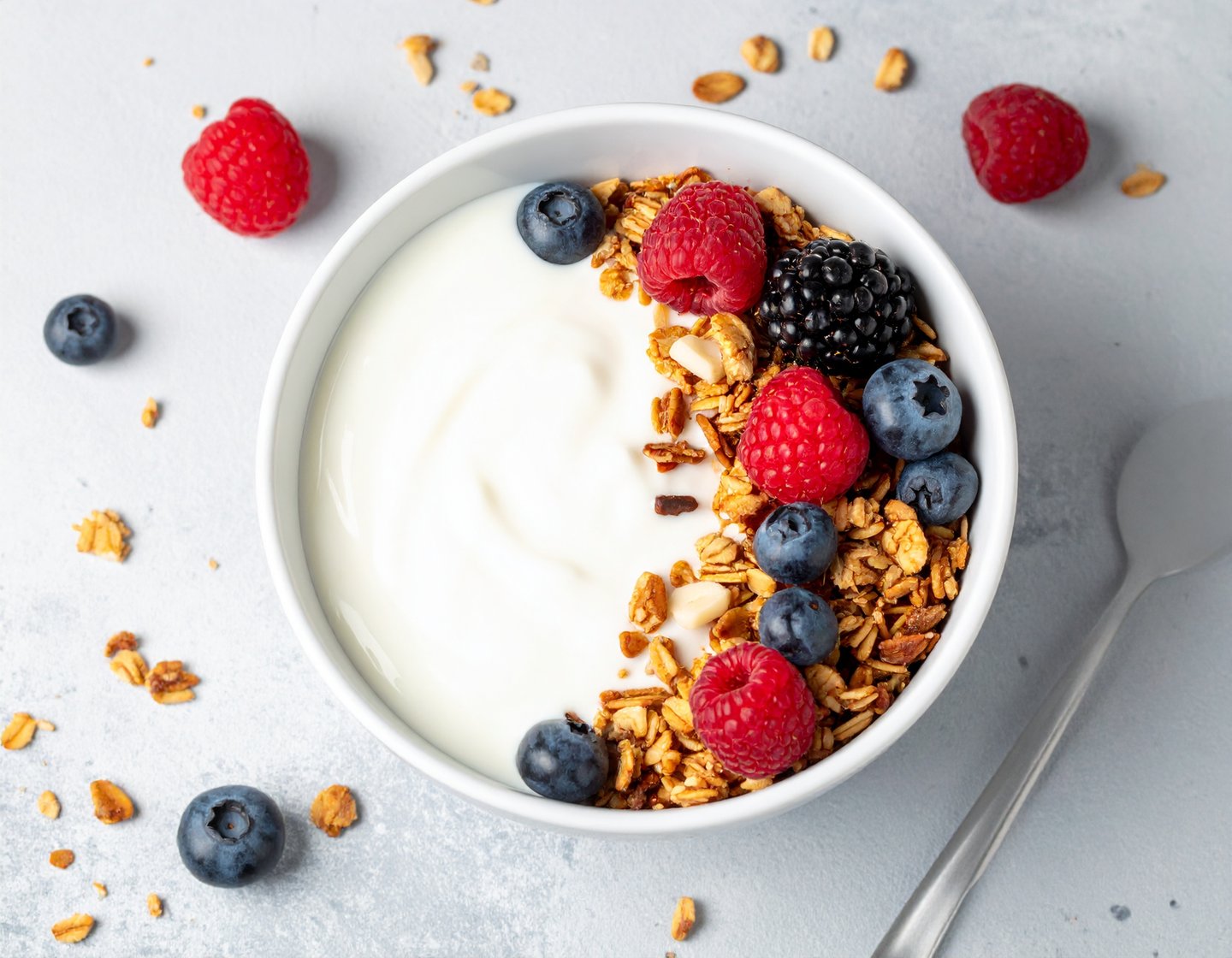
Cottage cheese in particular has been reinvented online—blended into protein-packed ice cream, whipped into flatbread dough, made into “chips,” stirred into queso-style dips and folded into high-protein bowls. Sardines are also having a moment, being touted as an economical godsend that can both boost your protein and get your skin glowing.
Beauty and longevity
Taken together, these trends point to something larger than a rotating viral recipe. Protein is being repositioned online as fuel, beauty enhancer and longevity strategy—all at once.
Can it be translated into a practical, profitable retail strategy?
“TikTok and Instagram are powerful discovery tools,” says Sylvain Charlebois, professor in food distribution policy and senior director at the AGRI-Food Analytics Lab at Dalhousie University in Halifax. “They shape what consumers are curious about and willing to try. Social media may spark interest in cottage cheese or sardines,” he notes, “but affordability determines whether those products end up in the basket.”
Consumers want more protein
Today’s protein fixation goes beyond gym culture. On social platforms, sardines are promoted not just for protein content but for their omega-3 fatty acids—widely described as supporting skin health, collagen and anti-aging routines. Greek yogurt is positioned as both muscle fuel and glow support. Peanut butter powder is pitched as a leaner, protein-dense swap.
In this iteration, protein isn’t just about satiety. It’s about visible health—and increasingly, long-term health.
According to Nourish Food Marketing’s 2025 Trend Report, muscle is widely considered the true organ of longevity, with maintaining muscle mass seen as critical for healthy aging because of its role in strength, stability and metabolic health. As a result, demand for high protein continues to grow, with 71% of consumers trying to consume more protein. Products delivering 25 grams or more per serving are growing at the fastest rate, the report states.
Daniel Tsai, Cornell law professor and an operator of Daniel's Market, a c-store and gas bar in British Columbia, says the cultural pressure to look and feel optimized is amplified online.
“One of the big social media trends is for people to look young, healthy and muscular,” he says. “Young people are heavily influenced by the need to look young and fit—and that’s also feeding into the protein craze.”
Tsai added that algorithms have amplified what might otherwise be a steady dietary shift. He also points to the rise of GLP-1 medications influencing consumer behaviour.
“With the rising use of Ozempic and other weight-loss drugs … there is indeed a conscious move among people that they just don’t want to eat unhealthy,” he says. “People want to maintain (their weight loss and physique). So their appetites have changed.”
A return to basics
According to Nourish Food Marketing’s 2025 Trend Report, consumers are returning to basics, with the most dramatic manifestation of that shift showing up in protein consumption. Traditional animal sources—such as eggs, high-protein dairy and canned fish—are experiencing unprecedented resurgence, while plant-based alternatives—particularly over-processed ones—are facing decline.
Despite the changing cast of viral ingredients, the emphasis on protein is not new and is not fleeting.
“The protein trend itself is not a fad,” says Charlebois. “What changes are the specific ingredients and recipes. Protein has become structurally embedded in how consumers think about health, satiety and even aging. That’s a durable shift. The viral recipe may rotate, but the demand for accessible protein isn’t going away.”
Tsai agrees: "The amplification effects of algorithms and social media have made it a longer-term phenomenon, and I don’t see it going away anytime soon."
Still, Charlebois cautions against chasing viral trends.
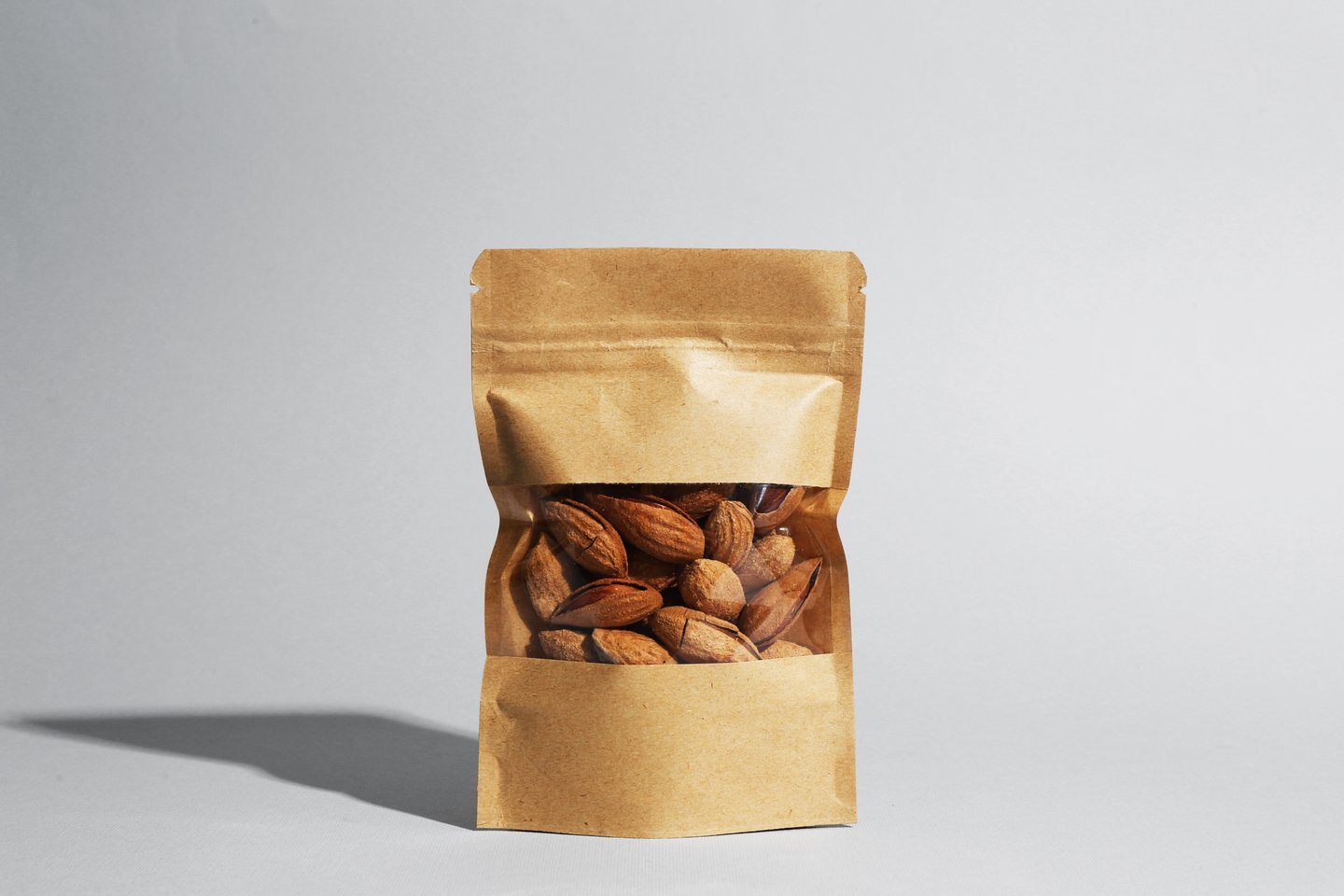
Clear “protein picks,” smart bundling and portable formats are more effective than reactive assortment shifts. The goal, he says, is to reduce friction for customers, so eggs, yogurt, tuna kits and nut packs make sense.
At its core, he notes, consumers are increasingly self-educating about nutrition online.
“Retailers that align with long-term nutritional narratives—rather than short-lived hype—will be in a stronger position.”
Ultimately, he says, “Trends create attention, but profitability depends on operational discipline and understanding how Canadians actually shop.”
Broader opportunity
Beyond individual SKUs, the protein surge reflects evolving expectations around health, noted Tsai, pointing to the growth in non-alcoholic beverages as another signal of shifting priorities.
“This is a great opportunity to revolutionize the business model … not just be a place for convenience, but a place for good health.”
A version of this article first appeared at Convenience Store News Canada.