

Why cheap Australian beef may be Canadian beef’s best friend

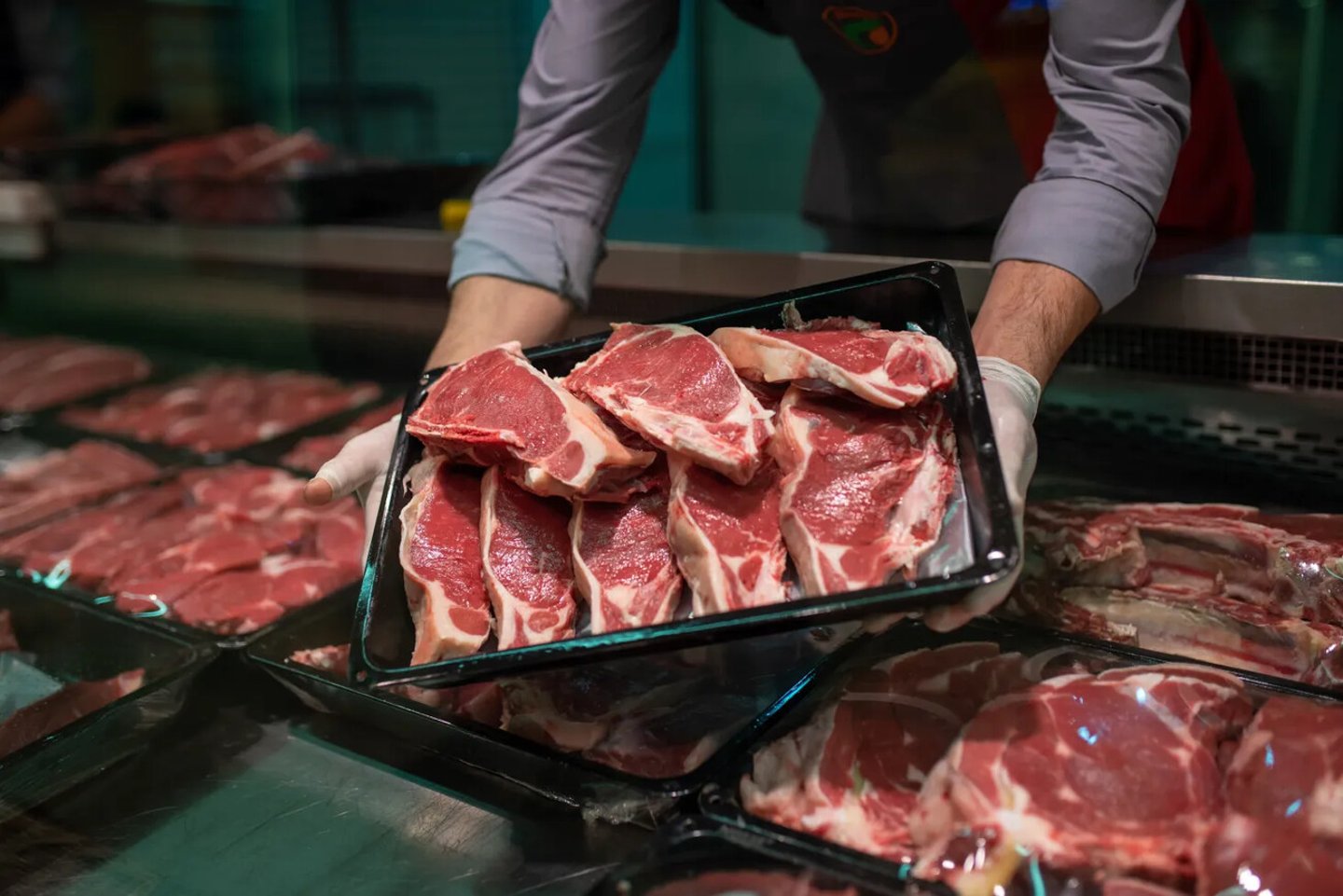
At first glance, the presence of inexpensive Australian beef in Canadian grocery stores seems absurd. How can beef raised thousands of kilometres away, shipped across the Pacific and distributed through Canada sell for substantially less than beef produced in Alberta?
Recent comparisons circulating online have shown Australian striploin selling for approximately $24 per kilogram while a Canadian alternative was priced above $50. Understandably, Canadian cattle producers and consumers are asking how this is possible.
But inexpensive Australian beef may not be the threat to Canadian beef that many assume. For a limited period, it could actually help protect the domestic industry’s most valuable long-term asset: the Canadian beef consumer.
READ: Grocery prices soften for most categories in July, meat and fish remain elevated
Canadian beef prices have reached levels that many households simply cannot absorb. Ground beef, once considered an economical protein, has become increasingly expensive. Premium steaks are now beyond the reach of many middle-income families except for special occasions. Faced with these prices, consumers do not merely purchase less-expensive cuts. They migrate toward chicken, pork, fish or other alternatives.
That substitution can become permanent.
Food consumption is largely habitual. When families stop preparing beef regularly, they develop new recipes, shopping routines and preferences. Restaurants change menus. Retailers reduce shelf space. Over time, a temporary supply shortage can cause lasting demand destruction.
This is where Australian beef can play a surprisingly constructive role. By offering a more affordable entry point, imported beef keeps consumers engaged with the category. They continue visiting the meat counter, preparing steaks and roasts, purchasing ground beef and treating beef as part of their regular diet.
In economic terms, Australian beef can function as a bridge until Canadian production recovers.
Canada’s cattle herd contracted for years and cannot be rebuilt quickly. Even when producers begin retaining more heifers, several years are required before those decisions generate significant additional beef supplies. Canadian consumers cannot reasonably be expected to wait indefinitely while paying historically high prices.
Australia, meanwhile, has a highly export-oriented beef industry, a climate that permits longer grazing seasons and efficient access to international markets. Under the Comprehensive and Progressive Agreement for Trans-Pacific Partnership, Australian beef also enjoys favourable access to Canada. Despite the distance involved, refrigerated ocean freight adds surprisingly little to the cost of each kilogram when spread across an entire container.
None of this means the products are necessarily identical. Canada and Australia use different grading systems. Canadian AAA beef is typically grain-finished and more heavily marbled, while much Australian beef is grass-fed and leaner. An Australian striploin marked at $24 per kilogram should not automatically be considered equivalent to Canadian AAA striploin selling for $52.
Country of origin, grade, feeding method and whether the product was previously frozen should therefore be clearly disclosed. Consumers deserve enough information to understand what they are comparing.
Nevertheless, the quality distinction does not invalidate the broader economic argument. A family deciding between affordable Australian beef and abandoning beef altogether is not necessarily taking a sale away from a Canadian producer. At current prices, that household may no longer be a realistic buyer of Canadian beef.
The imported product may instead preserve that household as a future customer.
Canadian beef also retains significant competitive advantages. It enjoys strong domestic recognition, established quality standards and considerable consumer loyalty. When Canadian supplies improve and prices moderate, many consumers will likely return to Canadian beef—provided they have not already abandoned the category.
Imports can also introduce some useful competitive tension into the processing and retail sectors. The price paid to cattle producers explains only part of the final shelf price. Processing capacity, labour, transportation, wholesale negotiations, retail strategies and margins all influence what consumers ultimately pay. A credible imported alternative can place pressure on every participant in that chain to justify costs and improve efficiency.
READ: How marketing can help keep meat sales moving
Canadian cattle producers should not be expected to sell below their costs, nor should Canada become permanently dependent on imported beef. The objective must remain a larger, more productive and resilient domestic cattle industry.
But protection from competition is not the same as protection from consumer abandonment.
If Australian beef keeps Canadians buying beef during an exceptional period of domestic scarcity, it may support rather than undermine the Canadian industry. The real danger is not that consumers temporarily purchase Australian beef. It is that persistently high Canadian prices drive an entire generation of consumers away from the beef counter.
Sometimes an imported competitor does more than take market share. It keeps the market alive.