
Why high diesel prices could drive up costs for grocers this winter
Getting food to the shelf is becoming more expensive, and grocery retailers could take a bigger hit to their bottom lines as winter sets in.
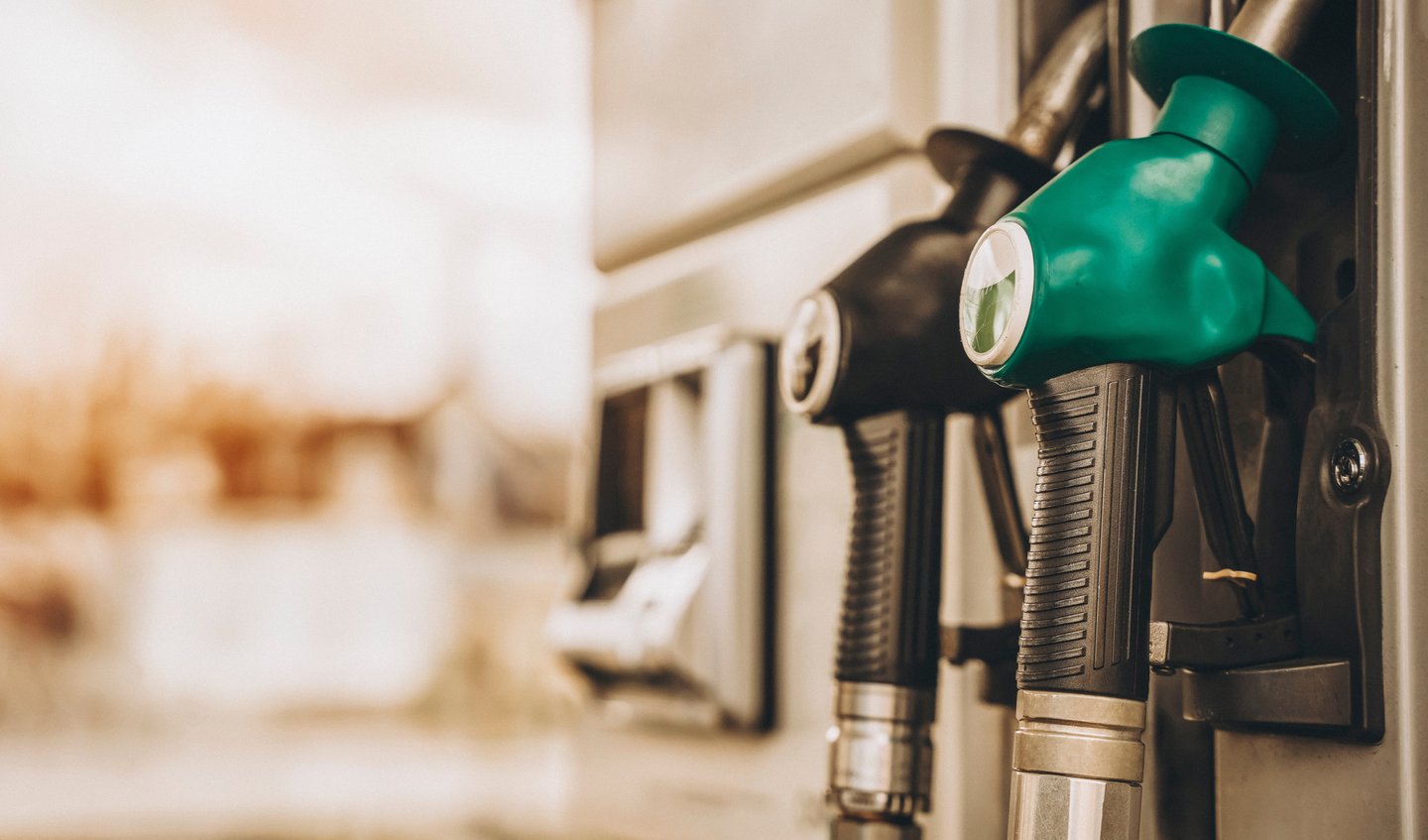
Diesel prices in Canada reached record highs this fall, and despite recent stability, remain historically elevated, according to Farm Credit Canada’s latest analysis. The average retail price of diesel topped $2.76 per litre in September, per Natural Resources Canada data. Supply disruptions linked to the closure of the Strait of Hormuz have tightened global oil supplies, contributing to higher fuel prices.
Farm Credit Canada says prolonged high prices are affecting businesses across the food supply chain, from farmers and processors to retailers. It expects higher fuel costs to begin showing up in food prices by year-end.
“We’re coming into the season where we’re trucking more food, and fuel economy goes down when it’s cold outside,” says Mike von Massow, a food economist and professor at the University of Guelph. “And so, domestic trucking will get more expensive.”
The impact will vary depending on the category. Von Massow notes that domestically produced processed items such as bread are less affected by transportation costs, while the fresh produce category faces greater pressure because much of Canada’s supply is imported in the winter.
“We’re approaching the season where fruits and vegetables are coming from further away,” he says. “The seasonal price increases will be greater than they otherwise would have been because of higher freight costs.”
Refrigerated and frozen products will also get more expensive to transport because of their higher fuel requirements.
“I think that’s where the grocers are going to feel the most pressure, whether they’re buying from the food terminal or through their own distribution,” von Massow says. “This is going to impact them at all stages of the supply chain.”
He adds that retailers will have to make decisions around how much of the additional costs they can absorb. “There will be some interesting strategic implications.”
A tougher road for independents
Independent grocers are particularly vulnerable to the impacts of rising diesel costs.
“[Rising costs] will hit the small grocers because they cannot absorb bigger shocks for a prolonged time, whereas supermarket chains and their parent companies have financial resources,” says Mehmet Dalkir, an economics professor at the University of New Brunswick.
“Unfortunately, independent grocers don’t have that kind of luxury. I’m worried about them because it will make the situation worse.”
Dalkir adds that independent grocers are typically strong supporters of local products, “so if they shut down, the local supply chain will get hurt.”
READ: Major grocers push back on fuel surcharges as independents have 'no choice' but to accept
Gary Sands, senior vice president of policy and advocacy at the Canadian Federation of Independent Grocers (CFIG), says rising diesel prices are having a greater impact on independent grocers in rural, remote and northern communities.
“It is hitting everyone across Canada, but it doesn’t impact everyone the same,” he says. “Transportation costs to rural, remote and northern communities are already higher. That’s been the case even before we saw this spike in diesel prices.”
Independent grocers are also less able to push back against fuel surcharges imposed by suppliers compared with major chains. “The independents can’t [push back]; they’re having to absorb those costs and pass them on.”
Strategies to manage rising costs
While retailers can’t control diesel prices, there are steps they can take to manage additional costs.
One opportunity lies in wasting less fuel at retailers’ distribution centres—a problem that Toronto-based Eaigle addresses with AI solutions that automate gate-to-dock logistics.
A truck typically spends between 45 minutes and an hour and a half at a distribution centre, notes Amir Hoss, founder and CEO of Eaigle.
“A lot of that is dwell time with the engine running. And so, there is an opportunity to not only have a faster turnaround that results in better fleet utilization and better driver-time utilization, but also to reduce that dwell time. As a result, there is lower fuel consumption as well as a reduction in emissions.”
Retailers can also reduce transportation costs further up the supply chain.
“Look to local sources,” says Dalkir. He sees an opportunity for governments to support farmer and producer co-operatives, which can help establish a more consistent supply for local retailers. Government incentives or subsidies for buying from local sources could also help localize the food chain, he says.
Von Massow points to domestic greenhouse production as a way grocers can diversify their produce supplies—especially in the winter—and reduce reliance on long-distance shipping.
“The government is encouraging the development of greenhouses and vertical farms, or controlled-climate agriculture, here in Canada,” he says. “That’s not going to change things by Christmas. But that is a strategic response to more variability in weather and to freight charges.”
Retailers may also start to reduce the number of SKUs in their stores. “Some specialty products might just fall off the list because they’re becoming too expensive,” von Massow says. “We’ll still have bananas and potatoes, but we might have a little less of the slower movers that can’t justify their shelf space anymore. When prices go up, consumers tend to buy what’s comfortable and what’s cheaper.”
CFIG’s Sands says rising diesel costs underscore the importance of the federal government’s new national food security strategy, which includes plans to expand the Ontario Food Terminal, open two new terminals and build regional food hubs.
“Reducing some of those transportation distances in the long term will help strengthen the supply chain and address some of the issues we’re facing now,” Sands says. While he believes short-term fixes are needed to address today’s diesel prices, he emphasizes the importance of the food security strategy in tackling broader systemic challenges.
“You have to look at longer-term solutions,” says Sands. “It’s diesel prices today, and next year it will be something else.”