
Cocoa prices have come down, but that doesn't mean Easter chocolate will be cheaper

Cocoa prices have fallen back from a price spike in recent years, much to the relief of chocolatiers—but that doesn't mean consumers will see lower prices.
Chocolate manufacturers made fundamental changes in recent years after a perfect storm of conditions wiped out cocoa yields and pushed prices to historical highs. Cocoa futures were over US$12,000 a tonne in 2024—four times what they had been worth a year earlier. While the initial sticker shock and shrinkflation stunned shoppers, higher prices for chocolate bars eventually became the new norm.
READ: Cocoa beans rot and West African farmers seek other options after commodity crash
Then, raw cocoa became cheaper again. Cocoa futures have fallen back closer to where they were before the spike—a little over US$3,000 per tonne—as weather improved and producers saw better yields. But experts warned that the raw ingredient's price decline is unlikely to show up at your grocery store.
Easter chocolate in stores today were planned and produced months ago, said Tim Webb, partner in supply chain and procurement at KPMG Canada.
"The cocoa [futures] prices that you see today do not hit the shelf for as long as 12 months," he said.
That means consumers won't see price declines for Easter chocolates this season—or possibly even next.

As the price of raw cocoa soared, many chocolate manufacturers altered their recipes and retooled their equipment to keep costs low, Webb said. The goal was to make their supply chain more resilient, cut costs and reduce reliance on raw cocoa in their products, he said.
For example, some began producing chocolate eggs with less cocoa, which means making thinner shells and filling with caramel, nougat, fudge, peanut butter and other less-expensive alternatives to replace chocolate.
"The actual cocoa chocolate that is in a slab ... has been reduced," Webb said.
And these changes to recipes and production processes are likely here to stay. Reimagining product composition to get the precise taste and texture is a resource-intensive and time-consuming process, Webb said.
"They will have engineers working on those well in advance, in the [research and development] departments, which then will flow into manufacturing with instructions on how to tweak the machinery," he explained.
Jo-Ann McArthur, president of Nourish Food Marketing, said rejigging a chocolate or candy recipe also means bearing the costs of new packaging and marketing.
"These are all difficult things to do. You can't turn this around on a dime," she said.
McArthur said companies are more likely to maintain retail prices where they are and recover some of the higher costs they incurred over the last few years. That means manufacturers may deliver higher profits this year.
Dirk Van De Put, chief executive of Mondelēz International Inc., which owns Cadbury, told investors last month the price decline in cocoa futures "bodes very well" for 2027, and that the company's chocolate business will increase "its margin in a considerable way."
At a separate occasion in February, Van de Put said until cocoa dipped below US$3,000 per metric ton, the company wasn't expecting to make any pricing adjustment on its chocolate brands, which include Dairy Milk and Toblerone.
READ: Hershey and other chocolate makers hike prices as cocoa remains near record highs
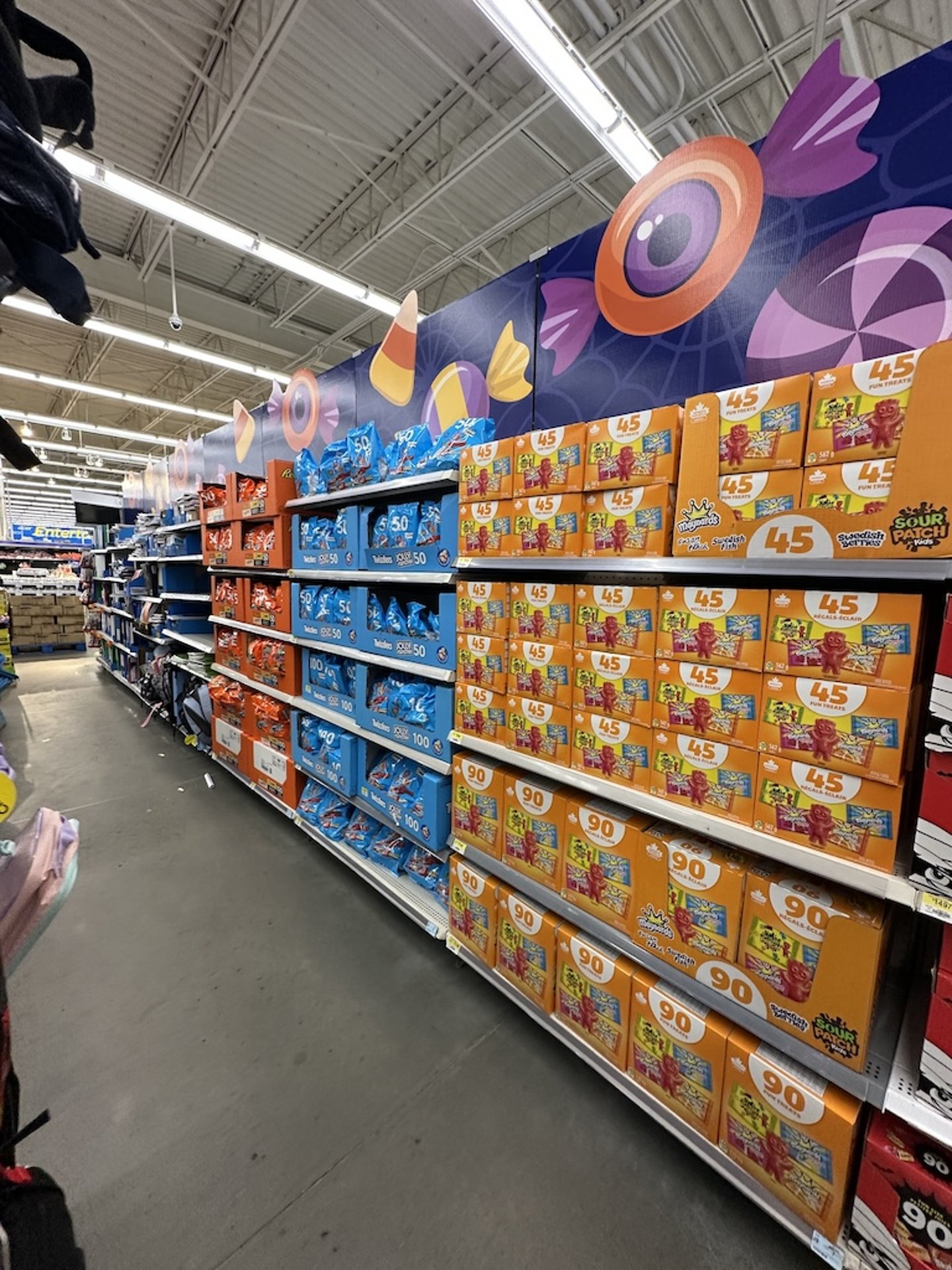
Meanwhile, consumer demand for non-chocolate candies remained strong as chocolate became more expensive, according to a survey by Circana last fall. For an eight-week period extending through mid-September, sales of non-chocolate Halloween candies outpaced chocolates, the report said.
READ: What will Halloween scare up this year for candy sales?
"Manufacturers are always looking at what the consumer is demanding," said Amanda Norris, senior economist at Farm Credit Canada.
"If the consumer is demanding [fewer] chocolate products and maybe more products that are candy-related, then they are going to make those substitutions," she said.
Reduced cocoa levels in chocolate products, meanwhile, have also lowered global demand for the raw commodity — pushing cocoa prices further down, Webb said.

Still, other fundamental and geopolitical challenges are adding to volatility for manufacturers.
The weather has been more erratic and unpredictable as climate change rages on, Norris said, while geopolitical tensions and the war in the Middle East have increased shipping costs.
"Manufacturers are going to be looking for ways to stabilize their supply," she said, making sales, forecasts and managing their bottom line easier.
However, large-scale manufacturers could still see competition from smaller chocolatiers, given their flexibility to respond to changing market prices and buy small batches.
McArthur said smaller players could leverage spot-buying and produce chocolate products with higher cocoa levels and lower pricing.
She said some of her clients have had a tough time as the cocoa prices climbed.
But this could be a chance for the smaller players to recover those losses while also producing high-quality chocolates with a higher cocoa percentage, she said.
"They may have the opportunity to differentiate themselves," she said.