Dollar stores and GLP-1s: Trends shaping how Canadians grocery shop
Canadians are playing the field when it comes to grocery shopping.
Field Agent’s Scouting Report – Six Big Trends Affecting Your Game Plan found that 59% of households shopped at three to five different grocery stores in the past month.
The top retailers where respondents spend the most on groceries each month are Costco (27%), Real Canadian Superstore (18%) and No Frills and Maxi (17%), with Walmart close behind at 15%, according to Field Agent’s survey of more than 1,000 Canadians.
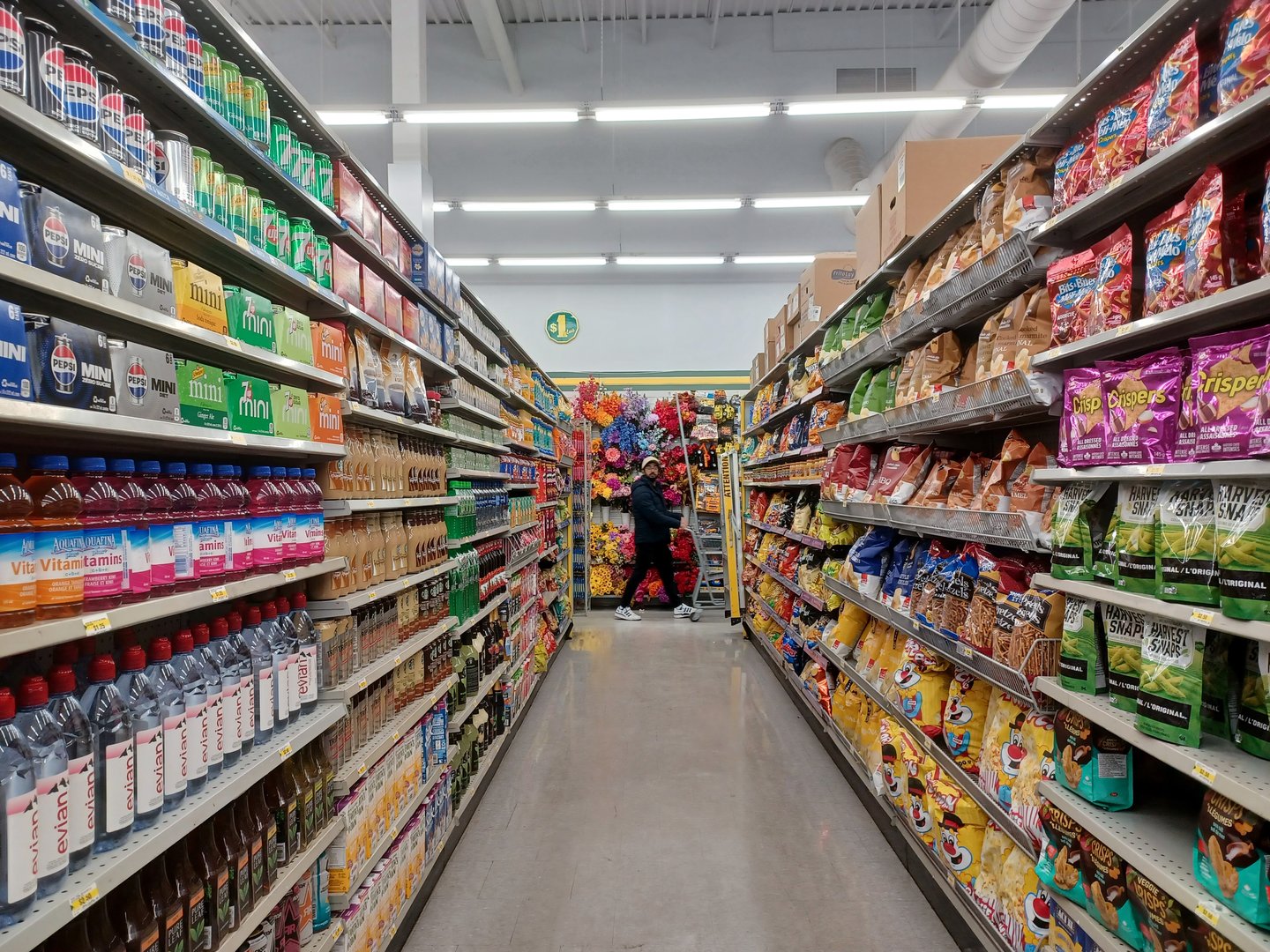
But there’s a watch-out for retailers: Dollar stores are “stealing” grocery sales, according to the report, with respondents saying an average of 9.6% of their grocery shopping took place at dollar stores.
The survey also found that 32% of respondents are making fewer trips to grocery stores compared to a year ago, including 15% who are spending less, 6% who are spending the same and 11% who are spending more. Meanwhile, one quarter (25%) of respondents said they’re making more frequent trips, with 13% of that group spending less, 4% spending the same and 8% spending more.
Stretching the budget
As shoppers look to save money, private-label products are taking up more space in Canadians’ cupboards. Respondents said an average of 43% of packaged products currently in their homes are store-brand items. In addition, 26% said they are buying store brands more often than they did a year ago.
When it comes to money-saving tactics, loyalty programs come out on top, with 77% saying they use a loyalty program as part of their grocery shopping routine. That’s followed by using flyer apps such as Flipp and Reebee (67%), buying marked-down and final-sale products (63%), price matching (62%) and using digital coupons (59%).
Buy Canadian—if the price is right
The “Buy Canadian” movement is going strong, especially among baby boomers, with 73% saying buying Canadian is important when they purchase groceries.
READ: Price trumps patriotism for Canadians at the grocery store, report finds
However, “elbows up” doesn’t necessarily mean they’re willing to pay up, according to Field Agent. Baby boomers said they are willing and able to pay 15% more for made-in-Canada products. Meanwhile, gen z respondents said they’re willing to pay 21% more, yet only 44% of this cohort said buying Canadian is important when they grocery shop.
Chocolate is out, fresh produce is in
Another factor influencing what’s on Canadians’ grocery lists is GLP-1 medications. The survey found that 13% of Canadian households have at least one member on a GLP-1 medication for weight loss or weight management. Usage is highest among baby boomers (25%), followed by gen x (15%), millennials (13%) and gen z (4%).
The survey also looked at the top categories that GLP-1 households buy less often. The top 10 “biggest losers” are chocolate (47%), candy (46%), salty snacks (41%), packaged meats (36%), cookies (36%), frozen pizza (36%), beer/wine/cider (34%), ice cream and frozen novelties (33%), frozen dinners (31%) and carbonated beverages (27%).
On the other hand, Field Agent notes that rising use of GLP-1 medications is increasing demand for high-protein, low-sugar and nutrient-rich foods.
Nearly half of GLP-1 households (49%) say they are buying more fresh fruit compared to a year ago, and 48% are buying more fresh vegetables. Rounding out the top 10 categories are fresh meat (39%), frozen vegetables (31%), yogurt (25%), protein bars/shakes/powders (25%), frozen fruit (24%), vitamins and supplements (22%), refrigerated coleslaw and salad (21%) and natural cheese (19%).