Terroir, ‘beautrition’ and label scrutiny: Whole Foods' 2027 trend predictions

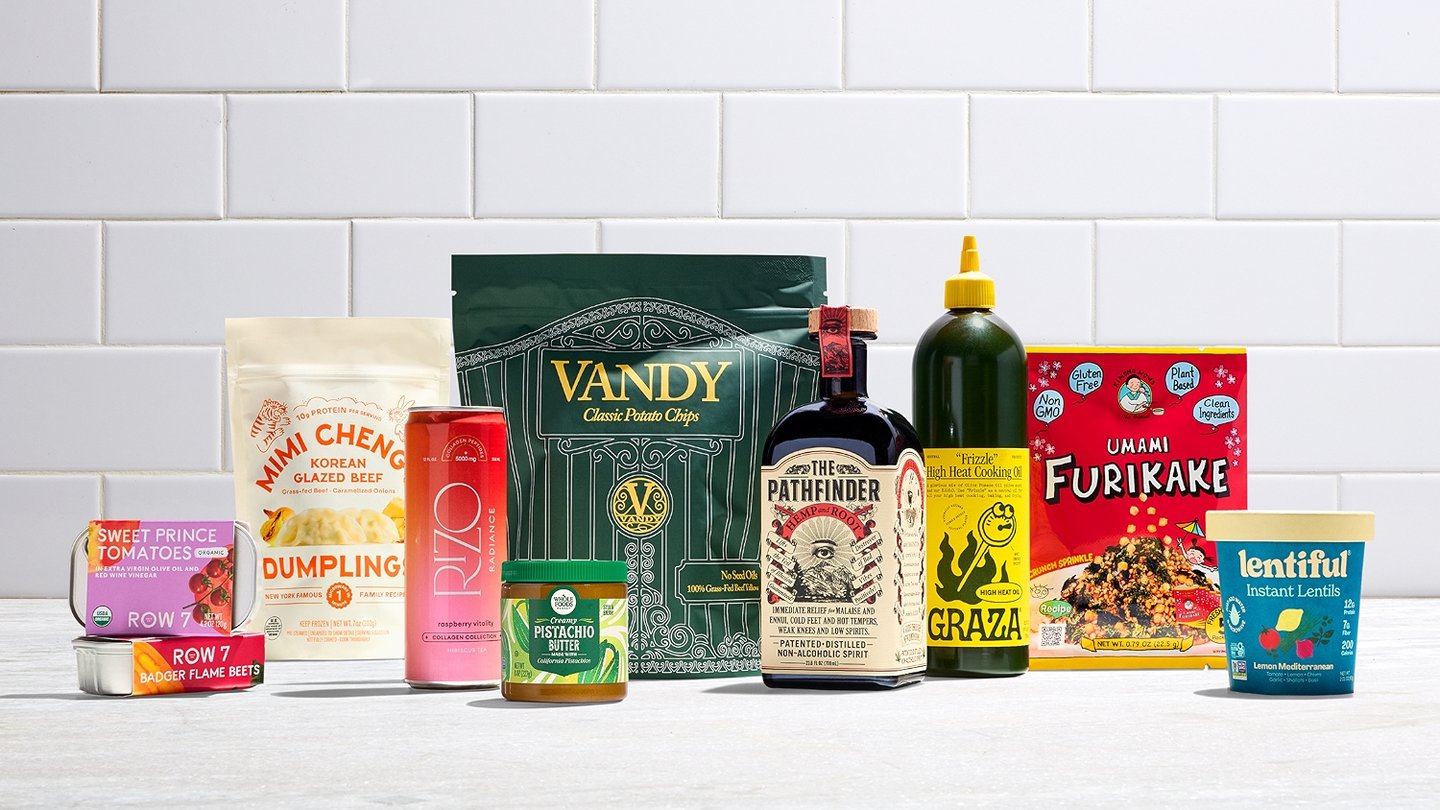
Distinct regional flavours, beauty-driven bites and Japanese comfort food are a few of the trends poised to take over in 2027, Whole Foods Market predicts.
The retailer has released its annual food trends report—a list of eight food and beverage fads it expects to pick up steam in the year ahead. Read on for this year’s predictions, as chosen by Whole Foods’ Trends Council.
1. Terroir’s new take
Terroir gaining ground beyond the wine aisle. Whole Foods found a growing interest in provenance and Protected Designations of Origin, drawing customers to the distinct flavors of regional honey, single-estate chocolate and named-source grains. The concept has even expanded into categories like seafood through the rise of “merroir:” how the ocean environment influences flavour.
2. “Beautrition”
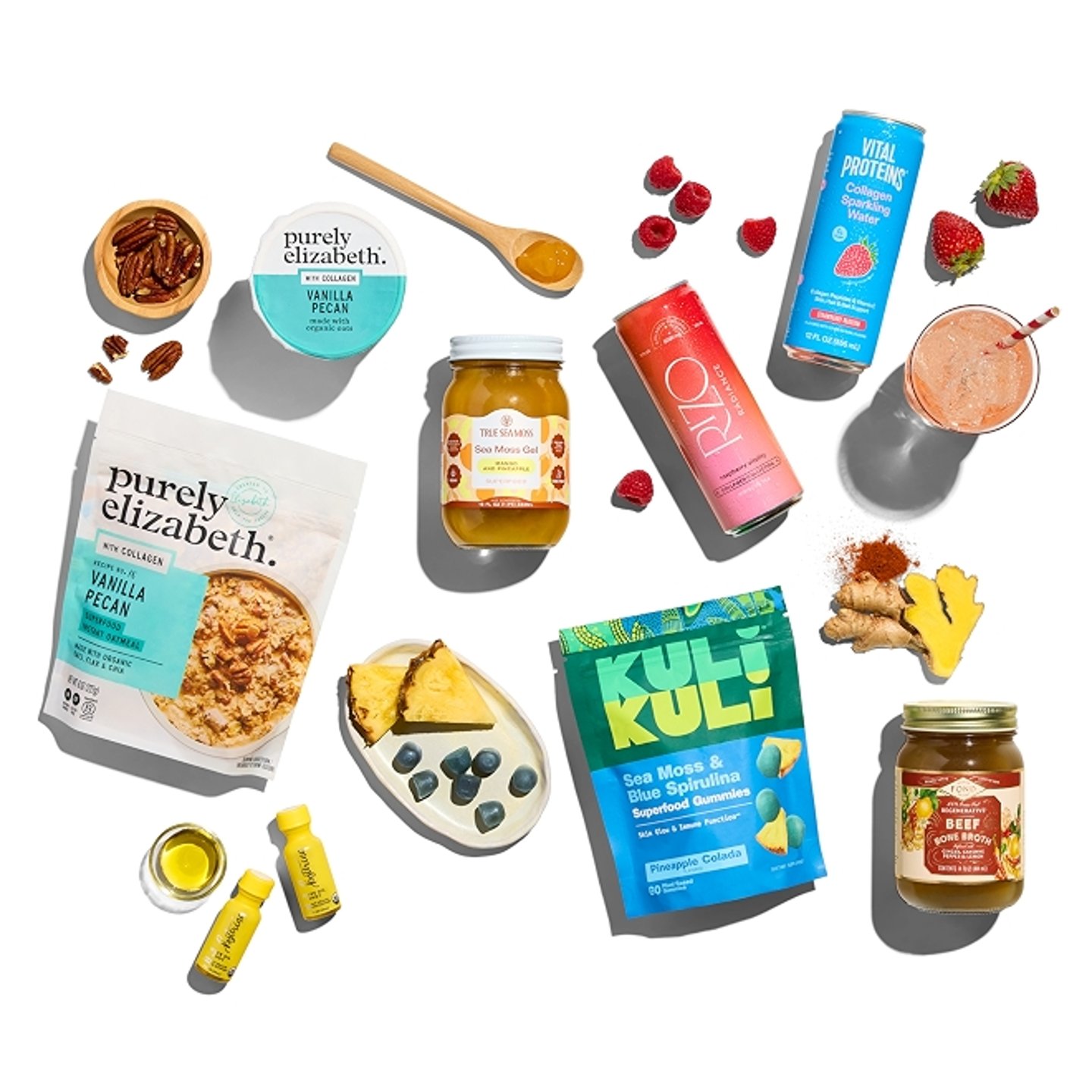
Collagen jelly sticks, skin glaze gummies, olive oil shots and “drink your sunscreen” products are emerging in the beauty and wellness market, blurring the lines between snack, supplement and skin care. Both content creators and wellness media continue to drive momentum around nutrient-dense, skin-supportive foods like carrots, cabbage, cucumber and tinned fish. The trend is also extending to food-inspired aesthetics—from “glazed donut skin” to “strawberry girl makeup”—and products made with edible ingredients, like lip plumpers enhanced with cinnamon and cayenne.
3. Yōshoku gets into grocery
Japanese comfort food is gaining momentum in the U.S., and much of that interest centers on yōshoku. Rooted in the adaptation of European and American dishes to Japanese tastes, this culinary tradition transforms familiar formats into nostalgic, highly craveable meals like tonkatsu, spaghetti Napolitan, Japanese curry rice and omelet rice (omurice) and Wagyu hamburger steak (hambagu). Social media is also fueling discovery through viral omurice and shio pan videos as well as konbini content featuring katsu and tamago sandwiches and warm curry bread (kare pan). Once found primarily in restaurants, yōshoku is now expanding to grocery aisles through everything from pantry staples and condiments to bakery items and dairy products.
4. Dish transformations
Consumers are increasingly embracing playful transformations of beloved dishes. Across social media, birria tops ramen, smash burgers become tacos and cinnamon rolls find new life as focaccia. Restaurants are also fueling the trend with inventive creations like crab rangoon dip, scallion pancake BLTs and Korean BBQ-inspired duck confit. The concept is quickly moving into grocery aisles, inspiring products like lemon miso chicken Alfredo and mango sticky rice ice cream.
5. Label minimalism
When it comes to ingredient lists, less is becoming more. Fueled by viral “read your labels” social content and growing scrutiny around additives and ultra-processed foods (UPF), shoppers are embracing pared down ingredient lists as a marker of quality. Manufacturers are responding by simplifying formulations, replacing once-lengthy ingredient lists with concise ones. A growing number of non-UPF apps and certification programs are also emerging to help consumers navigate store shelves.
READ: Nutrition labels influencing Canadians’ grocery purchases
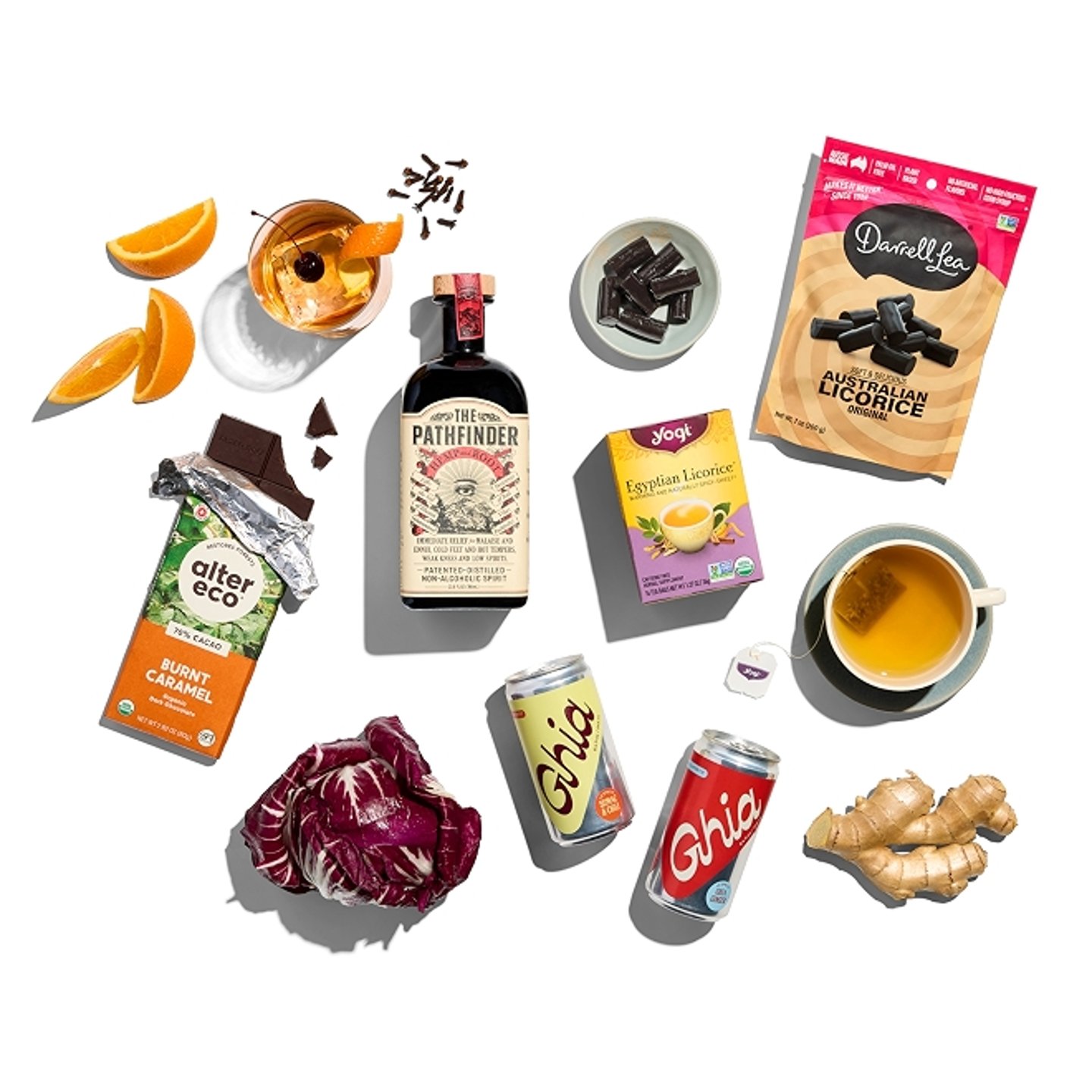
6. Bitter with the sweet
Driven by expanding palates, digestive wellness and the sober-curious movement, bitter ingredients are showing up on restaurant menus and in packaged goods and beverages—from nonalcoholic cocktails, spirits and amaro-inspired drinks to chocolate enhanced with ingredients like fennel pollen, tarragon, burnt sugar, licorice root, ash and quinoa. Grocers are also offering more bitter greens, like radicchio, endive, escarole, broccoli rabe and dandelion greens. Meanwhile, social media continues to fuel curiosity around licorice, salmiak, bitter melon and other intensely bitter or herbal flavours.
7. A new era for zero waste
While food waste reduction has been gaining traction for years, consumers are now embracing a broader zero-waste mindset, looking for ways to reduce waste across their daily lives. Shoppers are embracing more circular systems that maximize resources, and minimize what ends up in landfills. Upcycling has moved beyond the produce department, which led this trend, to become a source of product innovation in other categories. To serve customers with zero-waste mindsets, retailers are investing in refill formats, bulk departments and circular collaborations.
8. Beans in the spotlight
Once relegated to side-dish status, beans and legumes are now claiming center-of-the-plate real estate as consumers seek whole-food sources of protein and fiber. From brothy butter beans and crispy chickpeas to lentil-forward bowls and heirloom bean stews, legumes are increasingly getting the premium ingredient treatment. In retail, products like instant lentil bowls and snacks made from chickpeas, edamame and lupini beans are showing up on shelves. And social media is even fueling renewed enthusiasm for beans through viral dense bean salads, cozy “beans on toast” variations and aesthetically styled pantry content (dubbed BeanTok) centered around colorful heirloom varieties.